[Timber]
What Is Bespoke Furniture? A Plain-English Guide
The word gets used loosely. After forty years of making it, here's what bespoke actually means — and what it doesn't.
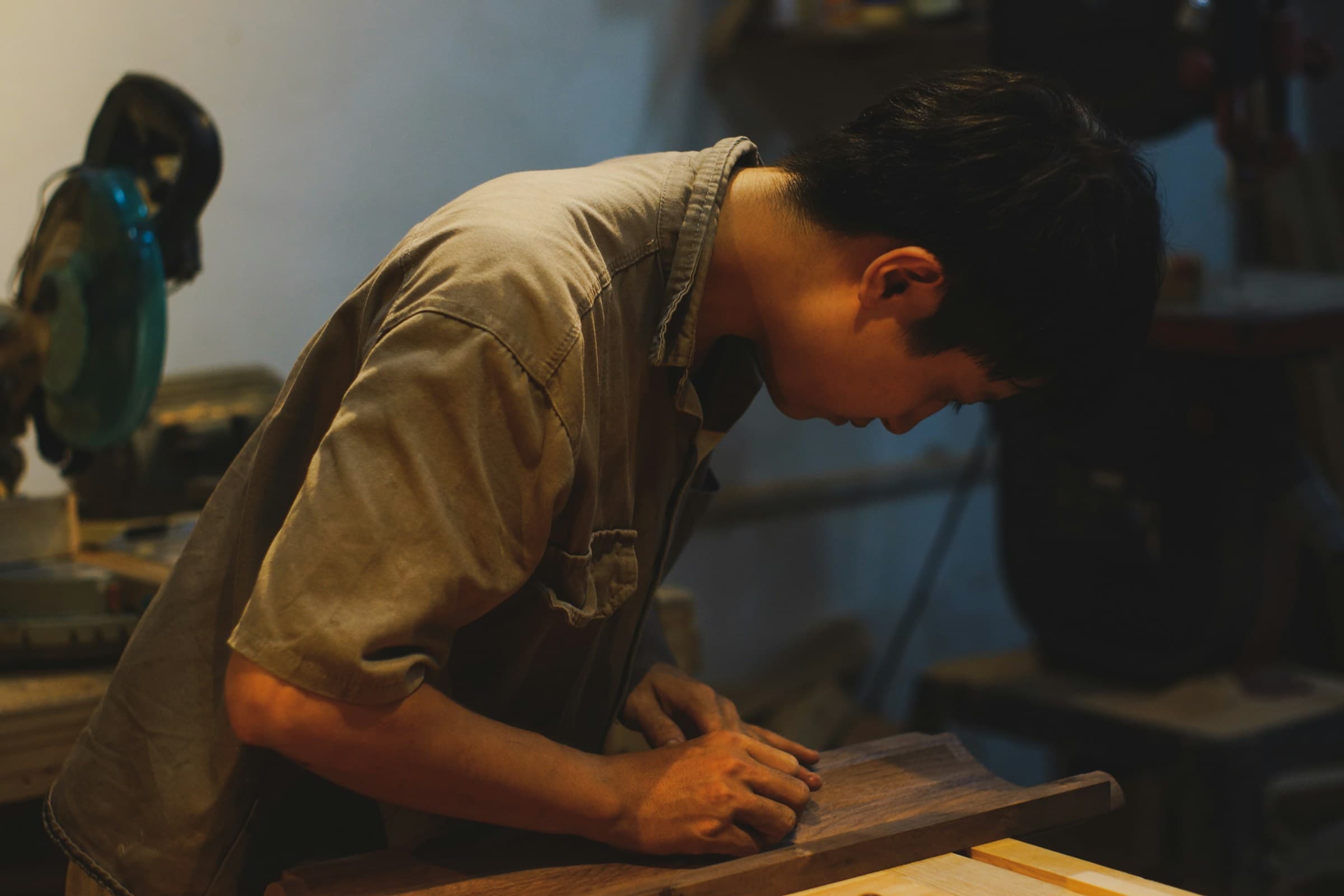
The word bespoke gets thrown around so loosely now that it has nearly stopped meaning anything. People use it to sell mass-produced things with a small choice of finishes. So I'll tell you what it actually means in my workshop, plainly.
Bespoke means the piece was designed and made for one client, in conversation with that client, by the person who builds it. That's the whole definition. Everything else (the timber, the finish, the joinery, the wait time) flows from that one fact.
The three words people confuse
There are three terms that get muddled. Let me separate them.
Mass-produced is what most furniture in most homes is. A factory makes ten thousand of the same chair. You buy one. The chair has nothing to do with you. There's nothing wrong with this. A lot of mass-produced furniture is well-designed and well-made. It just isn't bespoke.
Custom sits in the middle. You choose from a range of options the maker offers. Maybe you pick the timber, the dimensions, the finish, but the design is theirs, and they make the piece in a way that lets them swap variables in and out. A custom dining table from a furniture company in Perth, for example, might give you four timber options and three leg shapes. You're customising a template.
Bespoke starts with you. The maker comes to your house, looks at the room, asks how you use it, looks at what you already own. Then they design something for that space and that life. The piece doesn't exist anywhere else. It can't, because it was made for one set of measurements, one set of needs, one set of habits.
The simple test: when you can buy the same piece, in the same configuration, from the same maker again, it isn't bespoke. It's custom or mass-produced.
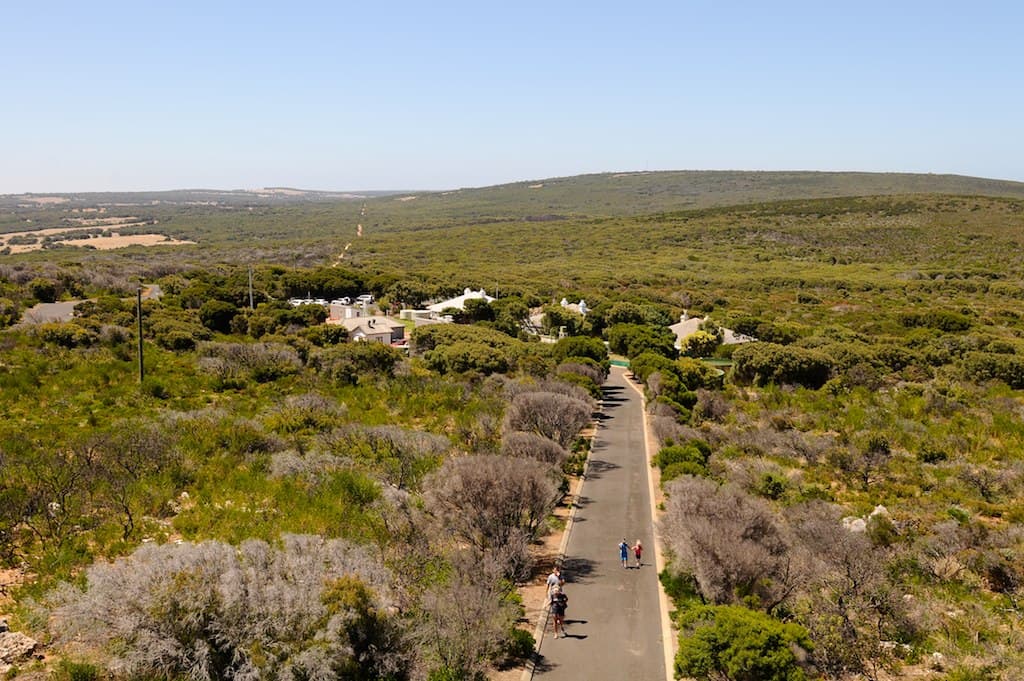
Photo: Stuart Sevastos, CC BY 2.0 · via Wikimedia Commons
What goes into a bespoke piece
I'll walk you through what happens when somebody commissions me. It's not magic. It's just patient.
The first conversation is in our gallery or on the phone. The client tells me what they need: a dining table for ten, say, or a sideboard for a hallway. I ask questions. How tall are they? Do they sit with their elbows on the table or not? Do they have grandchildren who'll bang it? Is the room flooded with afternoon light? Do they want it to look heavy or to disappear?
Pam is usually around for this part. She'll ask what I don't think to ask: whether there's a view they eat towards, or whether the room is the loud one at Christmas, or whether the client mentioned a rug they're keeping. I tend to stay on dimensions. She doesn't.
Then, when the piece is going into a house, I'll usually come and see the space. Yallingup, Perth, Margaret River, sometimes further. I'll look at the floors, the walls, the other pieces in the room, the height of the doorways the piece has to come through on the way in.
Then I draw. Sometimes I show three options, sometimes one. The client picks or modifies. We agree on dimensions and timber. I quote.
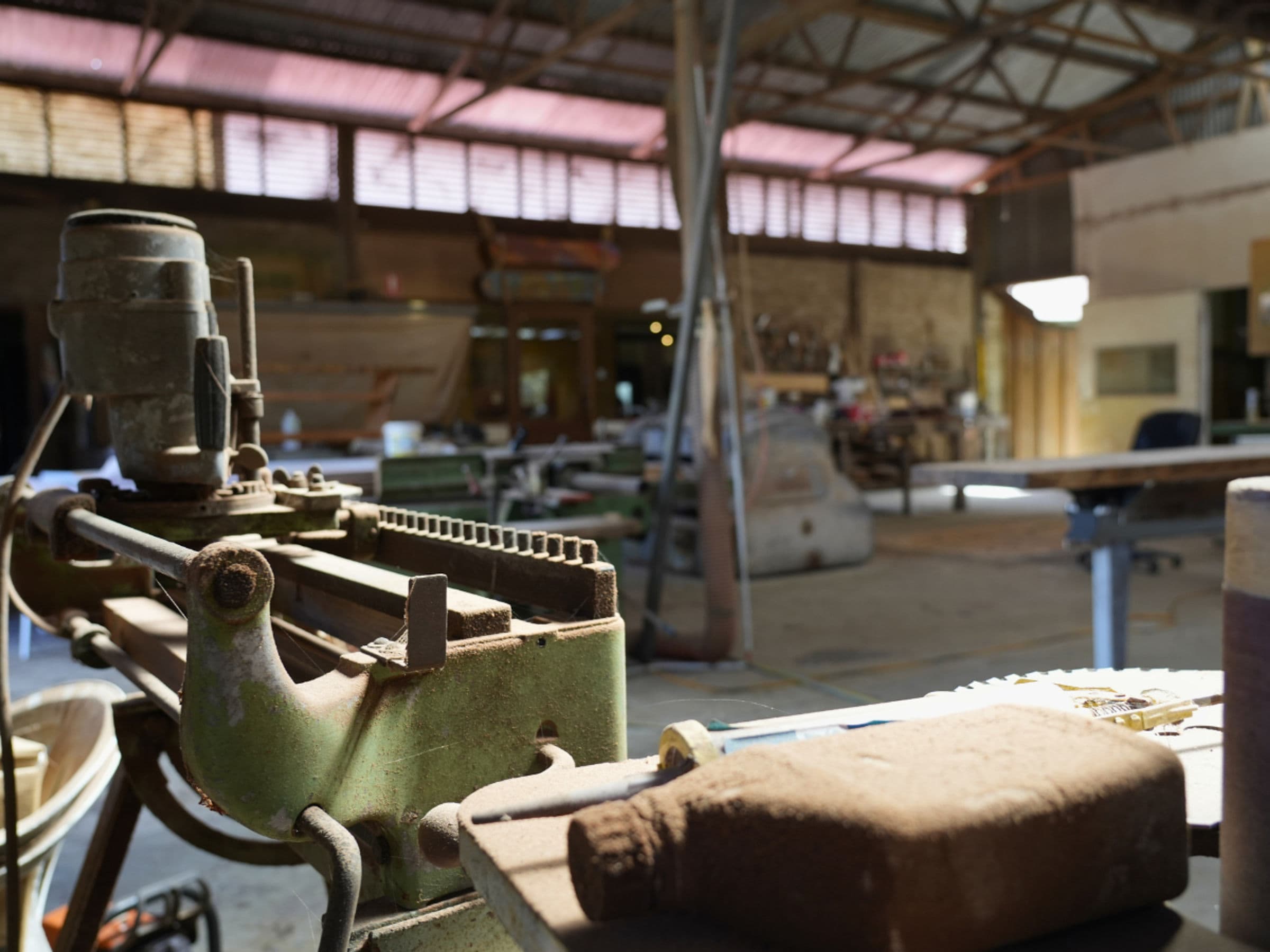
Then I build. Most of my pieces take six to twelve weeks of bench time, spread over a longer calendar. I'm often making several pieces at once. The client can come to the workshop during this period and watch. I encourage it. The viewing window into the workshop is right there in our gallery. People walk in, look through, and sometimes they see their own piece taking shape the maker, in his own words.
Then I deliver. I install it myself or with a hand. I show the client how to look after it the care notes.
That's the whole process. It is not complicated. It is just deliberate.
Why timber matters more in bespoke
Mass production needs predictable inputs. So a factory uses uniform timber: boards milled to consistent dimensions, often laminated, often from younger trees, often kiln-dried fast.
In a bespoke workshop, you work with the timber as it actually is. I'll choose individual boards for a piece. I'll match the grain across a tabletop. I'll work around a gum vein in marri to make it the centrepiece of a panel. I'll let a wide jarrah slab speak for itself rather than ripping it into uniform planks jarrah and marri compared.
This is the part that doesn't translate to a price tag. It's why the same dining table in jarrah from my workshop costs more than a dining table in jarrah-veneered MDF from a chain. It's also why mine is still in use in fifty years and the other is in landfill in ten.
The simple test: if you can buy the same piece, in the same configuration, from the same maker again — it isn't bespoke.
What bespoke isn't
Let me be clear about what bespoke does not promise.
It doesn't mean faster. A bespoke piece takes longer than walking into a showroom. You wait. That's part of it.
It doesn't mean a wild design. Most bespoke pieces look quietly classical. The work goes into the proportions, the joinery, the timber choice, not into being visually loud. A bespoke dining table will often look like a dining table. The difference is in your hand on the edge of it.
It doesn't mean the maker does everything you say. Part of what you're paying for is judgement. Ask me to make something that won't hold up and I'll tell you. Want a leg detail that I think weakens the structure? I'll suggest an alternative. You're hiring an eye as much as a pair of hands.
And it doesn't mean unaffordable. Bespoke furniture costs more than mass-produced furniture, yes. But a well-made bespoke piece is often cheaper over its life than three or four mass-produced replacements. The arithmetic is straightforward. Only the timeframe is longer.
How much does it cost
I won't pretend there's a single number. A small bedside table in marri is one price. A ten-seat dining table in old-growth jarrah with a sculptural base is another.
But for context: a dining table from my workshop usually sits in the same range as a serious overseas brand sofa. A sideboard sits below that. A coffee table well below that. People are sometimes surprised it isn't more.
The rule I tell visitors is: think of the piece in terms of what it costs per year of use. A jarrah table I made in 1991 is still in service. The owner has paid roughly fifteen dollars a year for it across the life of the piece. By that arithmetic, bespoke is among the cheapest furniture you can buy jarrah and ageing.
What you take home
When you commission a piece (and this is the part I find hardest to put into words) you take home something that knows where it came from. The timber knows. The maker's hand is in every surface. The marks of the tools are there if you know where to look.
I sign every piece with a small gum leaf burned into the underside. It's not a logo. It's a habit. The leaf is from the trees on my property, the same kind of country the timber came from. The piece carries the place with it.

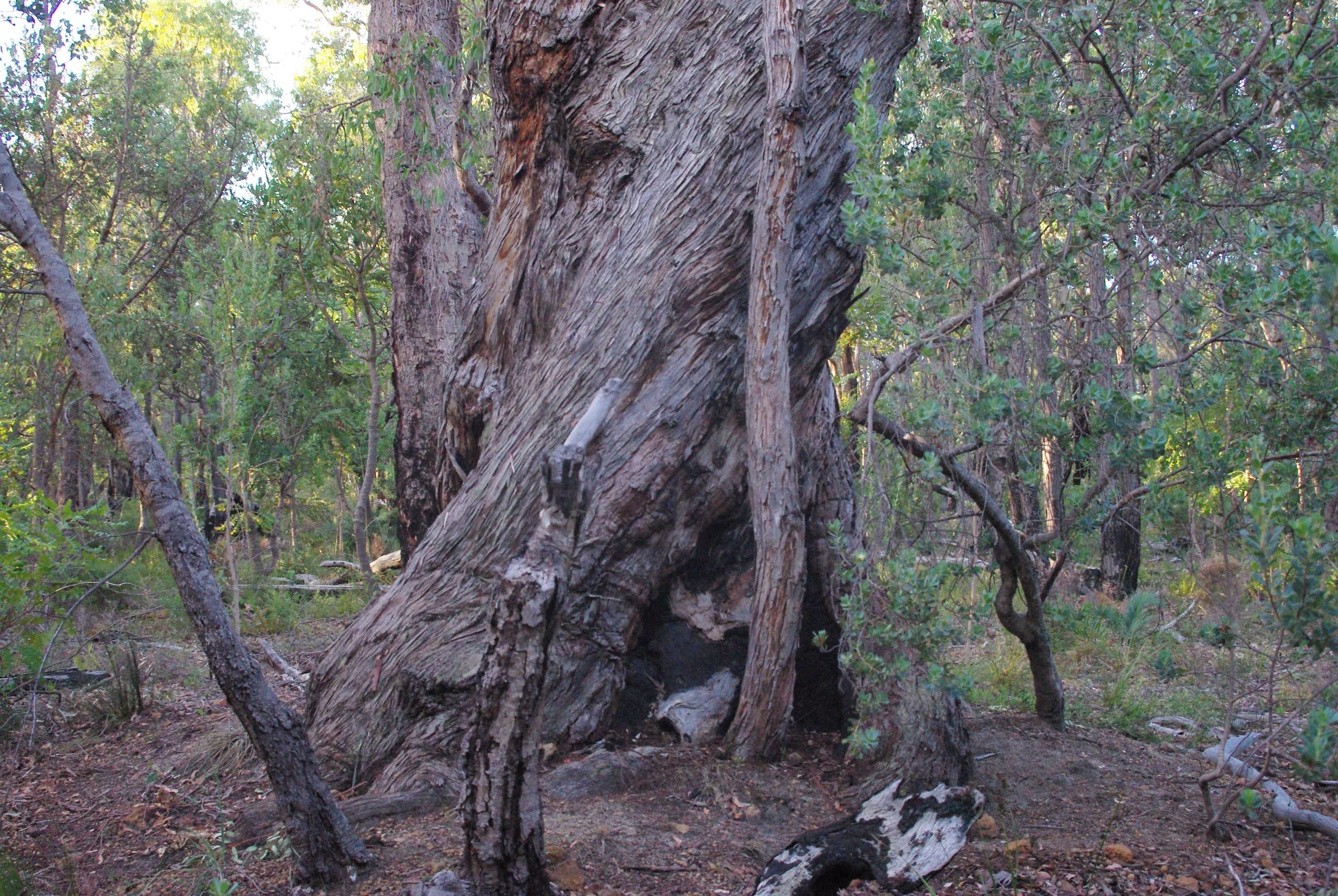
Photo: David Stanley, CC BY 2.0 · via Wikimedia Commons
The practical bit
Our gallery on Blythe Rd is the easiest way to see the difference between bespoke, custom, and mass-produced — there are pieces of all three eras of my work in the room, plus other makers' work Pam and I curate alongside it. Pam is at the front; she'll walk you through what you're looking at. The workshop window is at the back. Google Maps sometimes misdirects via Wildwood Rd — stay on Bussell Hwy, turn at the Carbunup store, then Blythe Rd.
Bespoke is a slow word. It means the maker sat with the client and worked it out. That's all. Anyone offering bespoke furniture in a week is selling you something else commissioning a dining table, step by step.
Plan your visit to Yallingup.
Directions & hours →