[Timber]
Jarrah, Marri, Tuart — A Buyer's Guide to Western Australian Timbers
What to look for in a piece of jarrah furniture — and how to tell a slow-grown hardwood from a hurried one.
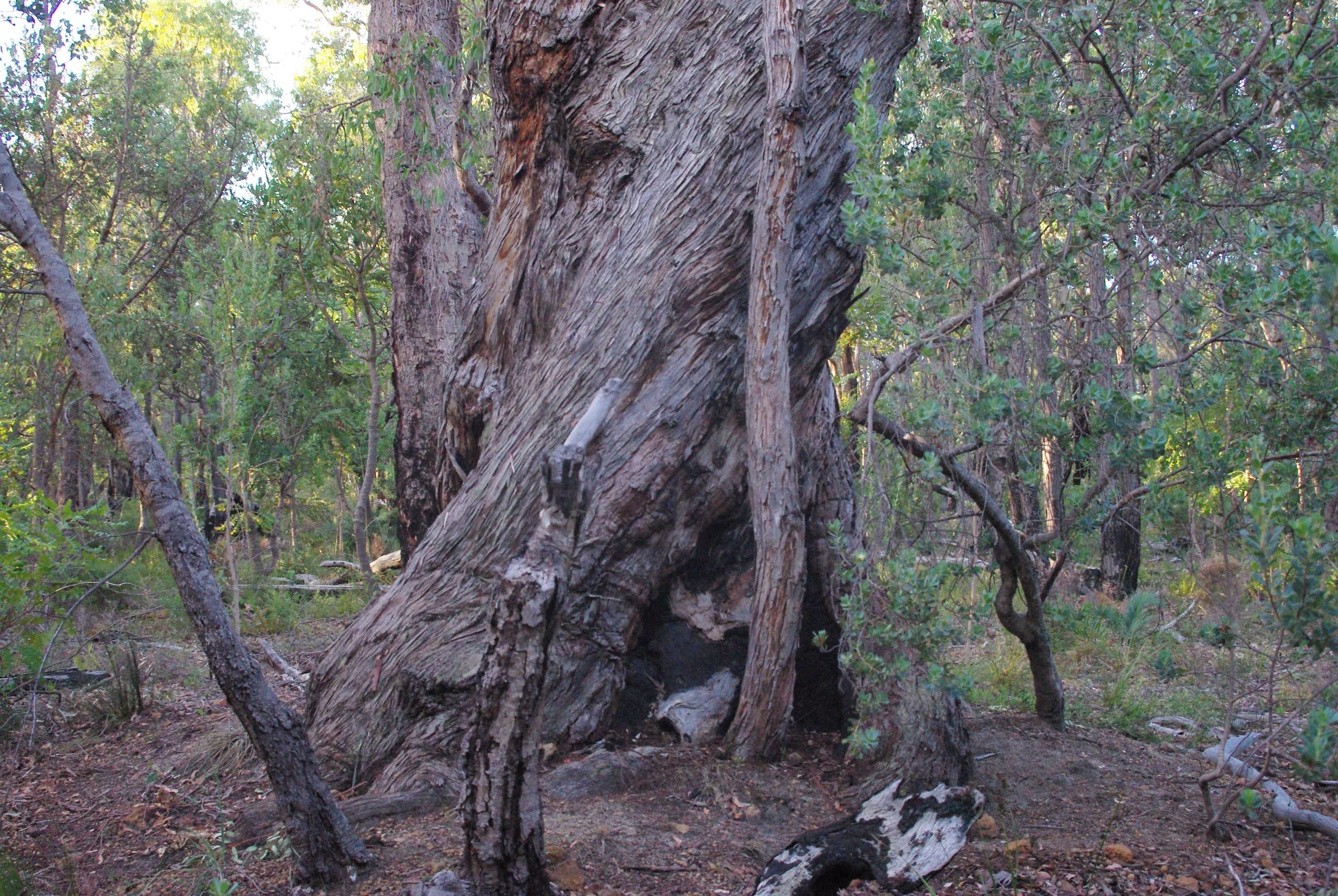
The southwest of Western Australia grows three timbers worth a furniture-maker's lifetime. Jarrah, marri, and tuart all come from forests that took centuries to make, and the difference between a slab cut from one of them and a slab cut from a faster-grown timber is something you can feel before you can name.
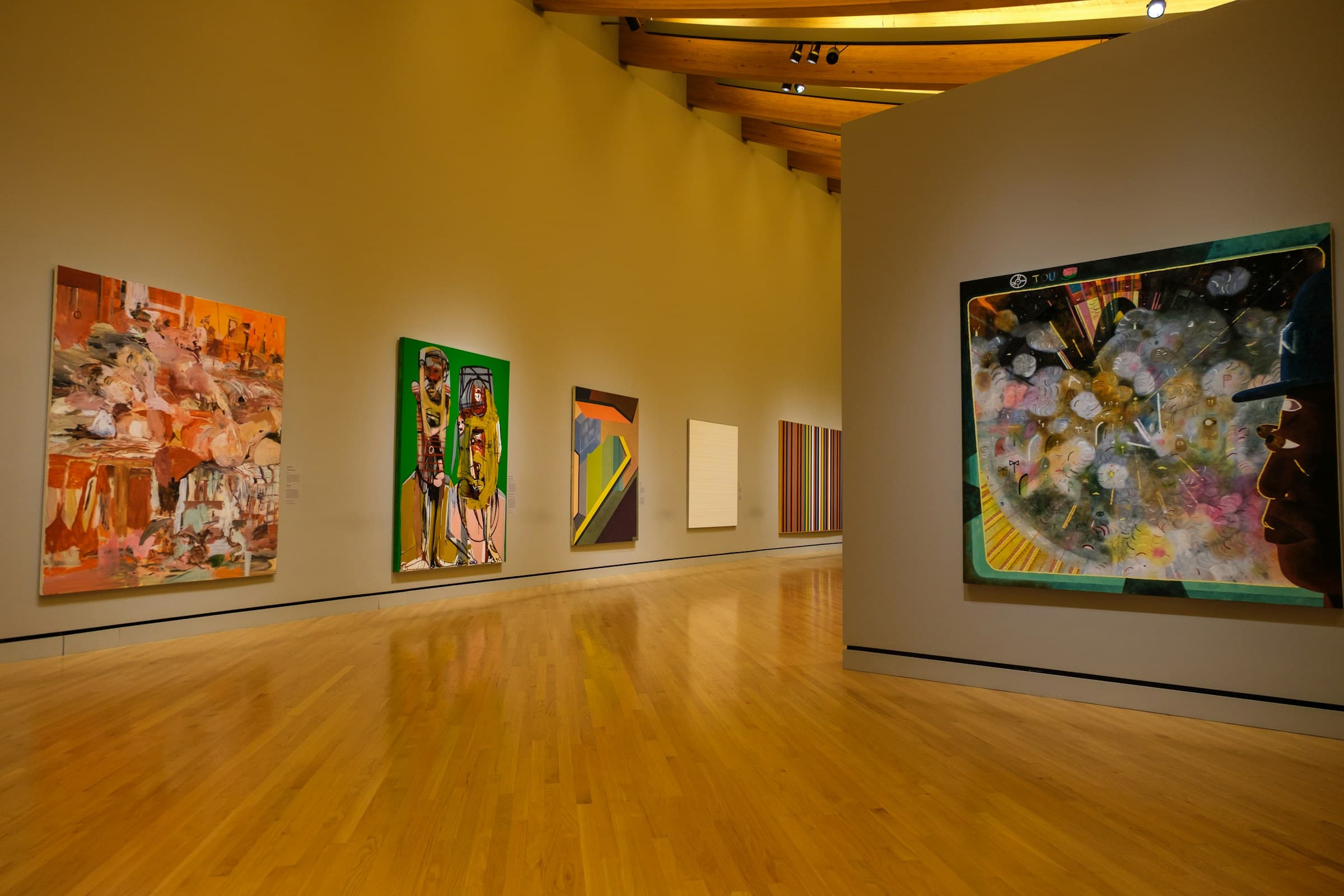
This is a short primer on what those timbers are, what they look like, and what you should be looking for when you stand in front of a piece in the gallery, or in front of any furniture, anywhere.
Jarrah
Jarrah is the deep-red heartwood that built Perth. Slow to grow, dense, naturally oily, and almost immune to termites. Old-growth jarrah, the kind you'll find in a piece that has been at the bench, not a piece that has been at a kiln, runs from a wine-red through to a near-black where it darkens with age. (For the longer take on how jarrah ages over time, I've written that up separately.)
A tree takes decades to mature. The joinery, if you do it right, lasts as long again.
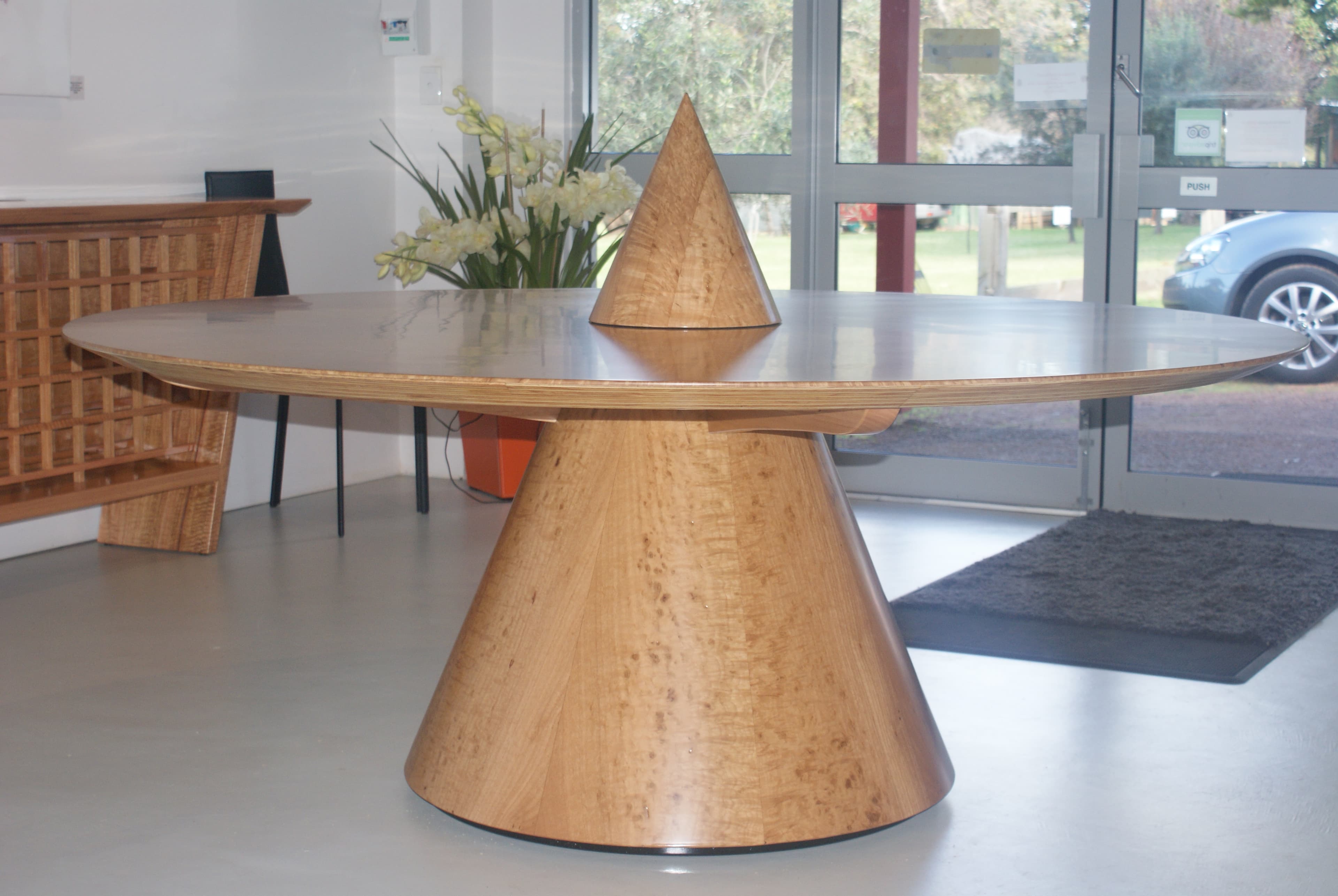
The grain to look for is fiddleback: a tight, wavy figure that runs perpendicular to the length of the board, catching the light at one angle and disappearing at another. It comes from stress in the tree and you can't fake it. A jarrah top with fiddleback is the timber telling you it took its time.
Marri
Marri is the honey-toned timber with the dark streaks. The streaks are gum veins where the tree healed itself. Lighter and more open-grained than jarrah; harder to dry without cracking; rewarding when it's done well. Trying to decide between the two for an heirloom piece? how jarrah and marri actually differ is the longer comparison.
If you see a marri top with a clean, single-direction grain and no freckle at all, it has probably been bleached, doctored, or it isn't marri.
Tuart
Tuart is the heaviest of the three. Pale, dense, almost ivory when freshly cut, going a soft honey with time. The Tuart forest at Ludlow, between Yallingup and Busselton, is one of the last great tuart stands in the world. Tuart is harder to work than jarrah, and the only people who use it well are the ones who have spent twenty years learning when to ease off the chisel.
What to look for in a piece
- Single boards over book-matched veneers. A real piece of jarrah furniture is made from real boards: sawn, edged, and joined. Veneer-on-MDF is a different product, and it will eventually tell you so.
- Hand-cut joinery. Dovetails should look like a person made them, not a router. The proportions should vary across the joint. Perfectly identical pins are a machine signature.
- A finish you can see through. Hard wax oils and shellac let the timber breathe and let you read the grain. Polyurethane wraps the surface in plastic. You can tell the difference by tilting the piece into the light.
- A maker's mark. Every piece John has finished since 1982 carries an inlaid gum leaf, hand-carved, placed somewhere quiet. It is the easiest way to tell his work from a copy.
A note on price
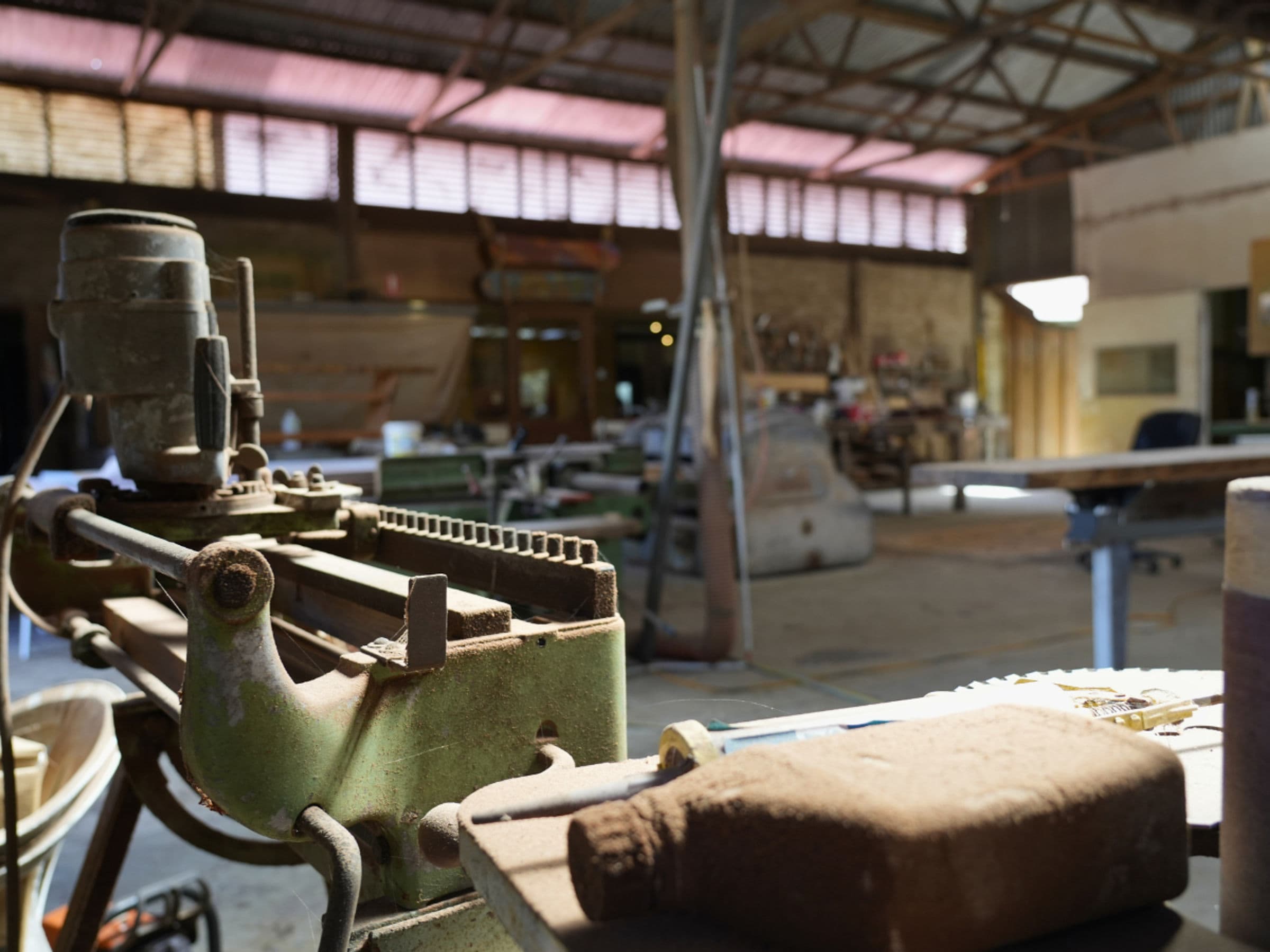
Hand-built jarrah furniture is not cheap. It is, however, almost always cheaper than the cost of replacing flat-pack equivalents over the same number of years it will last. A jarrah dining table built well will outlive the people who eat at it. That is not marketing. It is what these timbers do. For how a dining table actually gets made, that's the day-in-the-workshop write-up.
Plan your visit to Yallingup.
Directions & hours →