[Workshop]
Forty Years on Blythe Rd: A Reflection on Place, Craft, and Home
One block of land, one workshop, one wife, one beach. A long answer to the only question that matters.
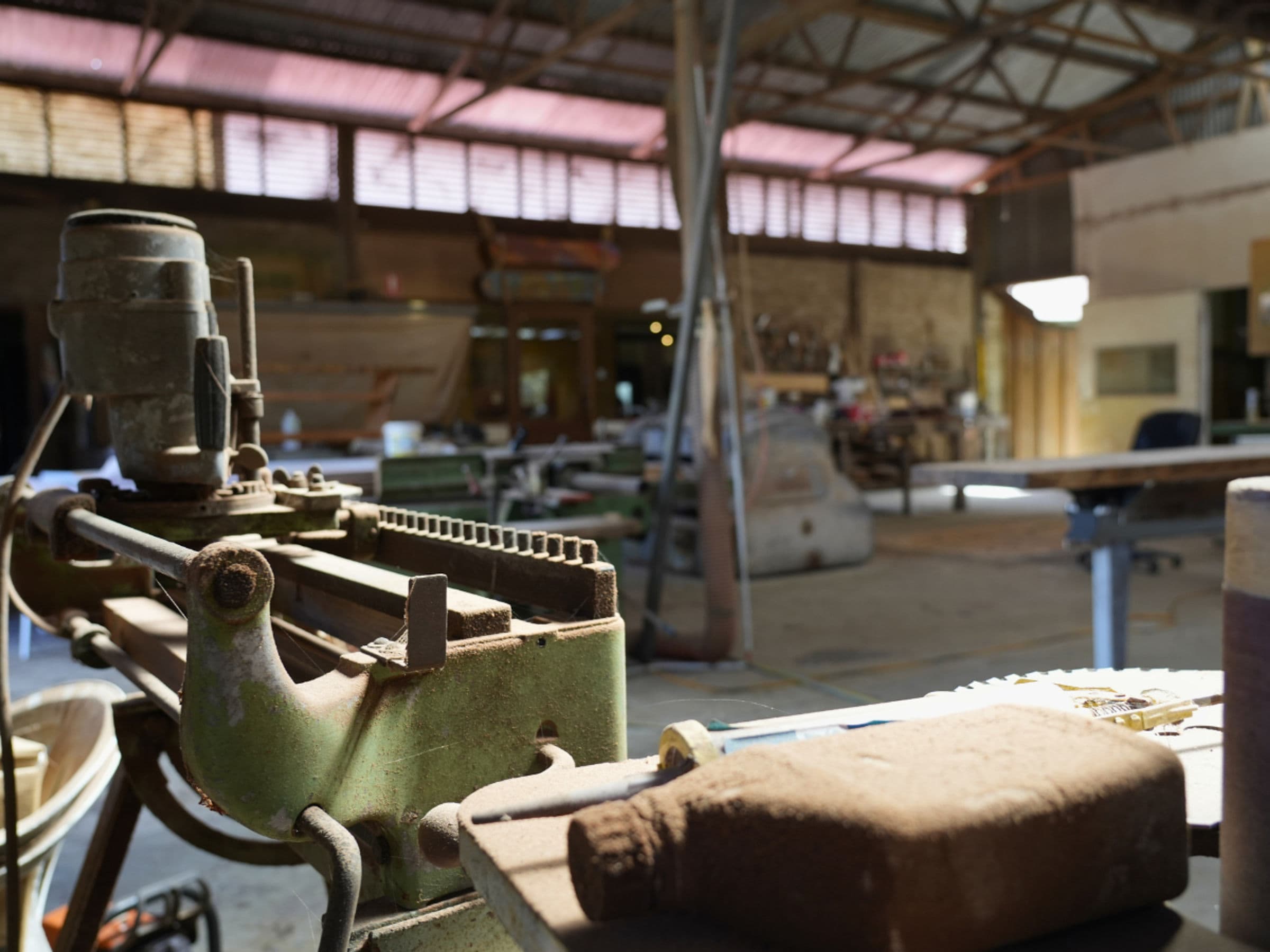
In 1988 I built the workshop on Blythe Rd. The walls are jarrah and southwest limestone, built the same way I build furniture — one piece at a time, without shortcuts. I've been here every day since.
That sentence is the easy version. The truth runs from 1982 to now, and it's not mine alone.
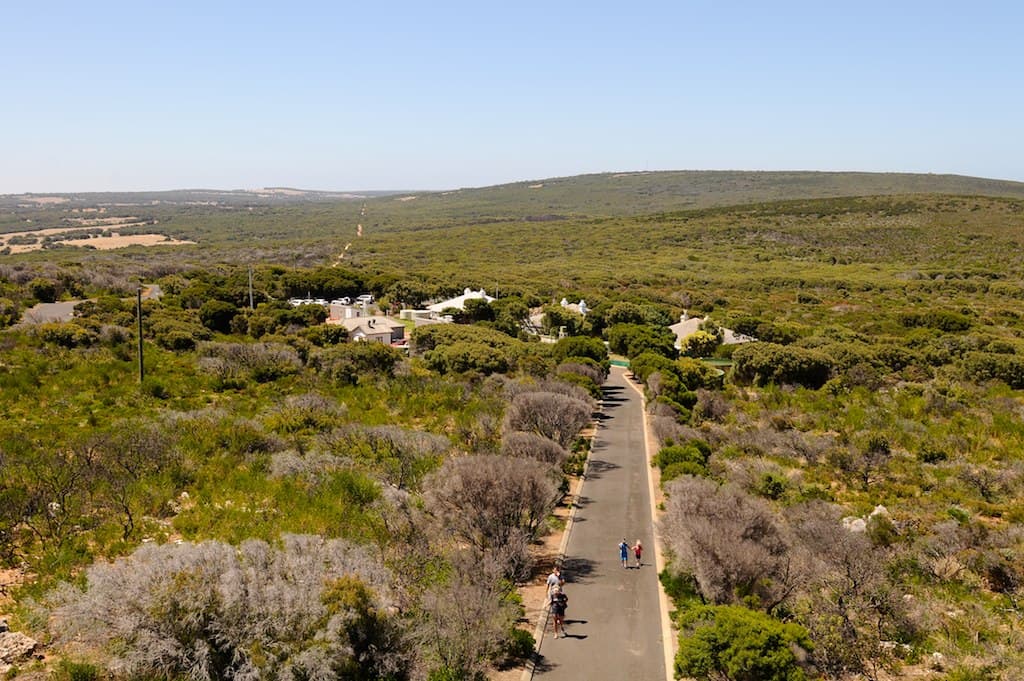
Photo: Stuart Sevastos, CC BY 2.0 · via Wikimedia Commons
1982: arriving
I came down here in 1982 to work for a furniture maker who needed a pair of hands. I was twenty-something, I needed a job, and the job was here. That's how most beginnings actually look. The romance gets added later, by people who weren't in the room.
I stayed six years with him. Six years of learning the things you can't learn anywhere else: how to read a length of jarrah, how to mark a joint, how to know when a piece is finished and put the tools down. Those years are the foundation everything since has been built on. Without them, I'd have been guessing my way through everything that came after, and the work would have shown it.
By the late eighties I was ready to go on my own. Not because I was confident — I'm not sure anyone ever is, really — but because I knew enough to know what I didn't know, and that's the only honest place to start.
1988: the build
I'd been watching a block on Blythe Rd for a couple of years. It sat just back from the road, surrounded by peppermints, with the right kind of quiet around it. Pam and I bought it in 1988.
Then we built.
I built the workshop and the gallery with help from a couple of mates over the course of a year. Jarrah walls. Southwest limestone, quarried not twenty kilometres from here. I didn't draw plans for what I wanted the building to look like; I drew plans for what I needed the building to do. The shape followed the work.
I built the gallery the same way I build furniture. The walls hold the same wood I work with every day. It felt wrong to put the pieces anywhere else.
The limestone walls keep the workshop cool in February and warm in July. The jarrah holds the same colour as the slabs on the bench. The viewing window between workshop and gallery was there from day one. I wanted people to be able to watch the work happen, because the work happening is the actual thing. The finished piece is just where the work lands.
Thirty-eight years later I'm still at the same bench. It's been resurfaced three times. The tools have been replaced and replaced again. The walls are the walls.
The wood
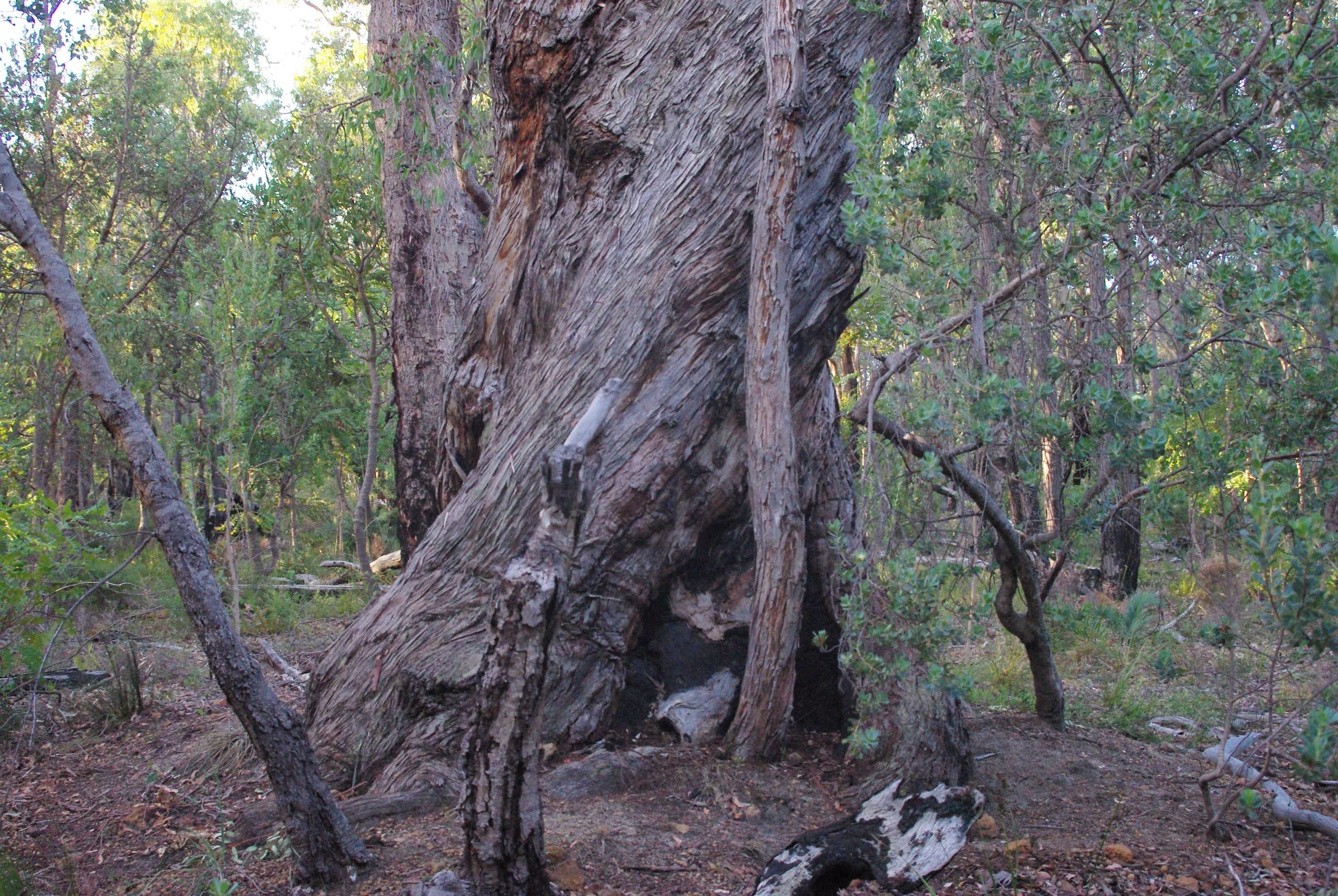
A piece of jarrah is a piece of country. I've said that before and I'll say it again because it doesn't stop being true. The grain in a board is the record of the seasons that tree lived through. Every drought. Every wet winter. Every bushfire that came close enough to slow it down without taking it. When you cut into a slab of old-growth jarrah you're cutting into two or three hundred years of South West Western Australia, compressed into something you can put your hand on.
A lifetime of looking at this timber has taught me that you don't design furniture and then find wood to fit. You find the wood first. You look at it. You let it sit in the workshop for a few weeks, sometimes a few months. You let it tell you what it wants to do. Then you draw something that works with what's there, not against it.
It sounds slow because it is slow. Every piece carries the gum-leaf signature carved somewhere a hand will eventually find it. That's the only part of the work that's the same on every piece. Everything else is decided by the timber.
For the longer version of how the wood actually moves under the tools, jarrah and marri compared. For what actually happens in a day at the bench, a day in the workshop, building a table.
The pieces that became known
A few have stuck. The Cone Table, a solid jarrah top on a marri cone: I made the first one in the mid-nineties and I've made variations every year since. The Parallel Universe table came later: two slabs joined by hand-shaped steel, set at a deliberate offset so your eye reads them as two tables and one table at the same time. Both have ended up in homes around Australia and a few overseas. People still write to us about them.
I'm not going to pretend I planned any of it. The pieces that lasted weren't the ones I expected to last. The Cone Table was a one-off commission that I liked enough to keep making. The Parallel Universe came out of a long argument with myself about whether a single piece could hold two ideas at once. The work that stays is the work you couldn't have predicted at the bench.
2009: opening the doors
By 2009 the gallery had been showing only my work for twenty-one years. It was doing fine. We could have kept it that way. Instead, we opened it up.
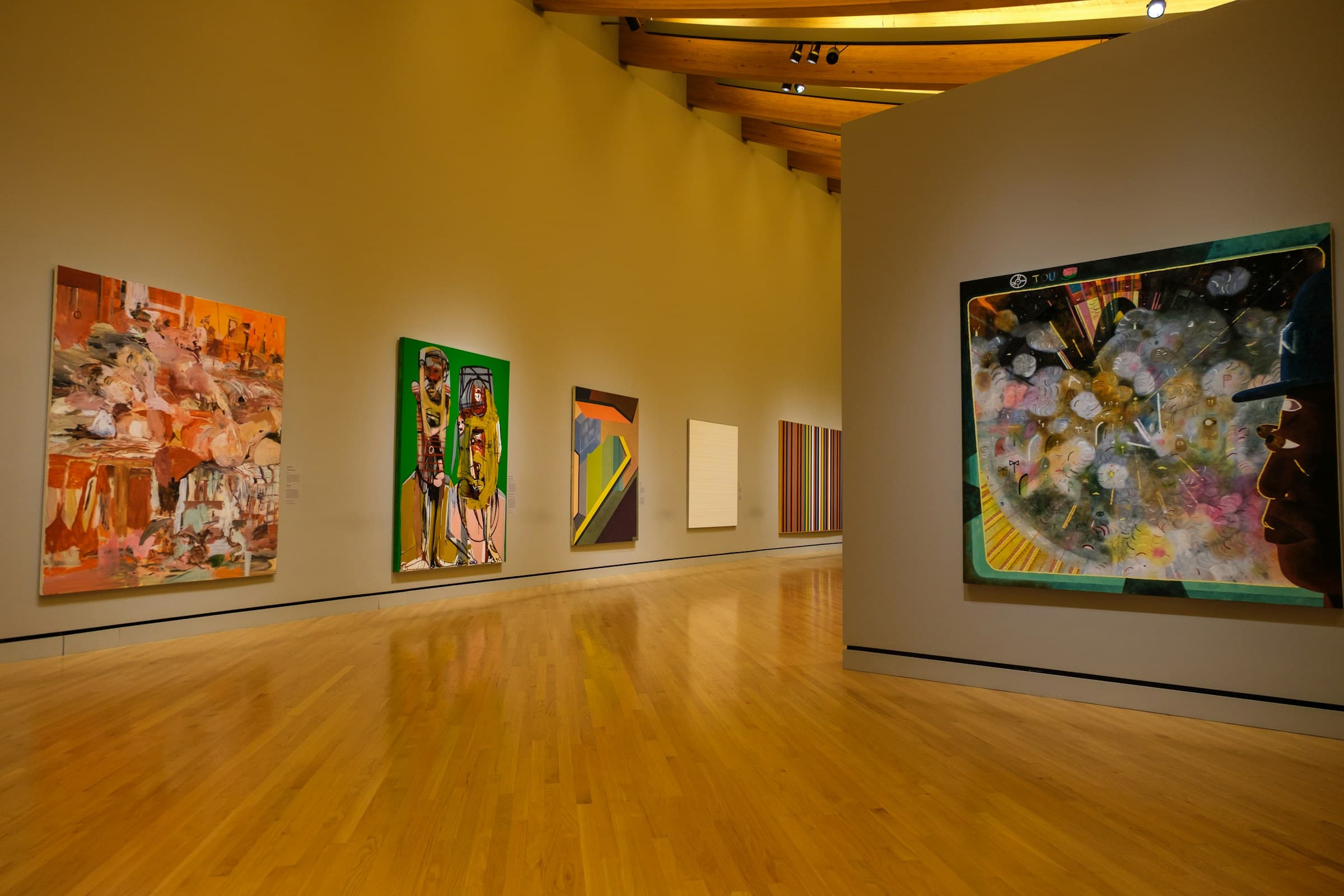
Alan Fox blowing glass. Julia Carter painting. Dylan Fox shooting photographs. Elani's painting. Pam and I had been watching what they were doing for years: driving past their studios, seeing their work at openings, talking to them at the Margaret River Farmers Market on a Saturday morning. The gallery was always going to be better with more than just me in it.
That decision wasn't a business decision, though it turned out to be a good one. It was a conviction. Pam saw it before I did — that the visitors who come through the gallery get a richer hour when they're seeing more than one hand. And the makers we share the room with have made me a better maker, just by being there.
For the longer version of why so many makers ended up in this part of the world, why so many makers ended up here.
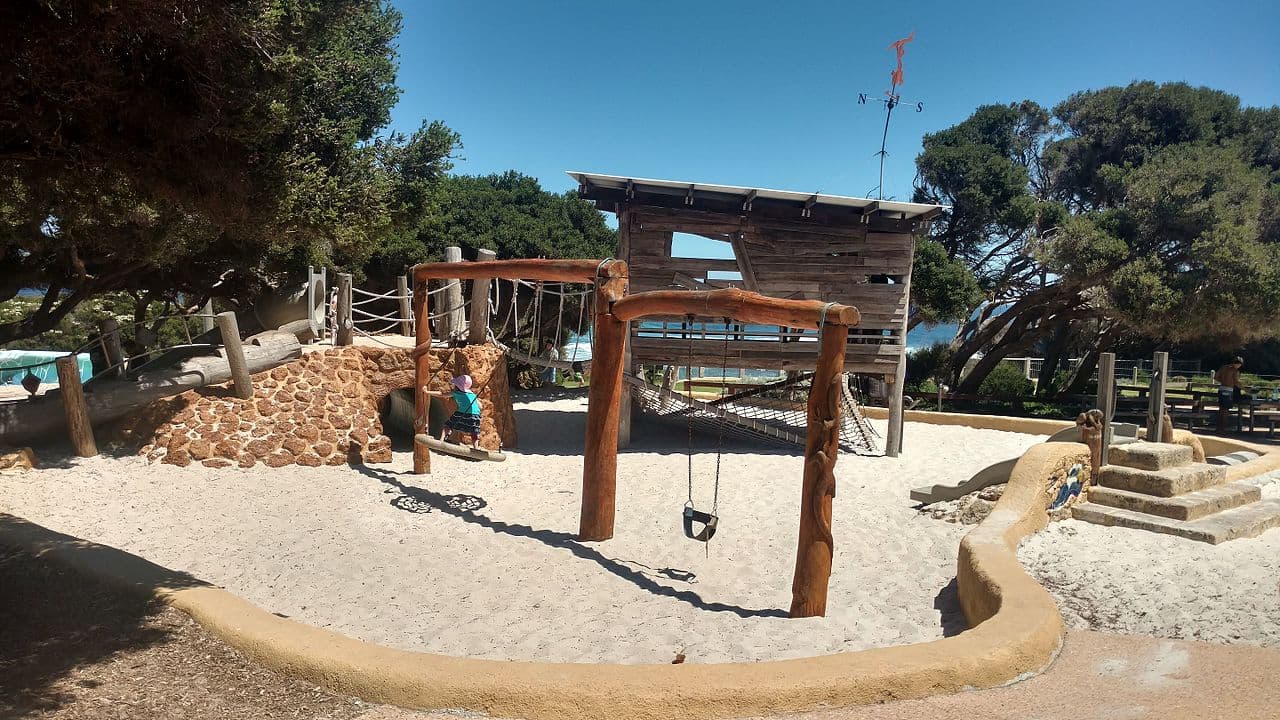
Photo: Lasthib, CC BY-SA 4.0 · via Wikimedia Commons
Pamela
I'd be lying if I told this as a one-man story. The honest version — the only version — has Pam in it.
She runs the gallery the way I run the workshop: completely, without drama, and better than anyone else could. She knows which slabs belong in the front of the room and which ones need to wait. She knows which visitors want to be left alone and which ones want to talk for an hour. She remembers names, and the stories people told us two years ago. She'll tell me a piece isn't ready when I think it is. She's almost always right.
She sees things in the work I don't see — because she's looking at it with a different pair of eyes: the eyes of someone who watches strangers walk in and watches their faces when they see a piece for the first time. That's a skill I don't have and couldn't learn. I'm in the workshop. She's in the room where the work meets the world.
The gallery is a partnership. Not a junior one. The bench is mine. But what happens to a piece after it leaves the workshop — who it goes to, what story travels with it, why a stranger who came in to look at a bowl ends up commissioning a dining table — that's Pam. Without her, this would be a very good workshop with furniture in it. With her, it's something else. I can't tell you exactly what to call it. The visitors usually find the word.
The visitors
The other half of the work — and people don't believe me when I say this — is the visitors. We get to meet people from every part of the world. Some are collectors. Some are passing through on their way to a winery. Some have been thinking about commissioning a dining table for ten years and finally walked in.
The pristine environment which I live in. And meeting and greeting the wonderful visitors from all over the world, telling them my story and listening to theirs.
That's an old quote of mine and I stand by every word of it. By now the conversations are as much of the work as the timber is. The pieces leave with the people. The stories stay with us.
A few visitors have become friends. There's a couple from Melbourne who commissioned a table in 1997 and have come back every few years since. There's a family in Singapore who own three pieces and still ring at Christmas. There's a man from Perth who came in once a year for twenty years before he ever bought anything, just to talk. He bought a sideboard in his sixty-eighth year and told me he'd been saving for it the whole time. Pam remembered what he'd said about his house the first time he came in. None of that is in the brochure.
What forty years teaches you
To put it into one line, pressed for one, it would be this: the work and the place are the same thing. I don't think I'd be making the furniture I make if I lived somewhere else. The light here, the timber here, the people who come through, the surf at Smiths Beach on a Saturday morning before the workshop opens. All of it is in the work. None of it would be in the work if we'd built the gallery somewhere else.
Time also teaches you to slow down. The pieces I make now take longer than the pieces I made at thirty. Not because I'm slower at the bench, though I probably am a bit, but because I trust the slow part more. The looking. The thinking. The walking around a slab for a few weeks before I cut it. That's the part that makes the work hold up.
And it teaches you to be content with the size of what you do. I'm one bloke in a workshop. I'm not a factory. I never wanted to be. The pieces I make are the pieces one pair of hands can make in the years one pair of hands has. There's a limit to that, and the limit is the point. Each piece is one of a small number. Each one carries the gum-leaf mark. Each one goes to one home.
Autumn is when I notice it most. The light changes, the crowds thin out, and the workshop gets quiet in a different way. That's when I look up at the jarrah walls and remember we built them. After all this time, that still surprises me.
Still here
People sometimes ask if I'd ever move. The honest answer is no, and I've stopped pretending it's a complicated question.
The block is the block. The workshop is the workshop. Pam is here — which matters more than any of the rest of it, though I suspect she knows that without me having to write it down. Smiths Beach is ten minutes away. The Margaret River Farmers Market is on Saturday morning. The Cape to Cape walk passes within three kilometres of the front door.
I built the walls. The walls hold the pieces. The pieces leave. The walls stay.
The workshop sits on Blythe Rd, Yallingup. Open most days. The viewing window into the workshop is the whole point of the building.
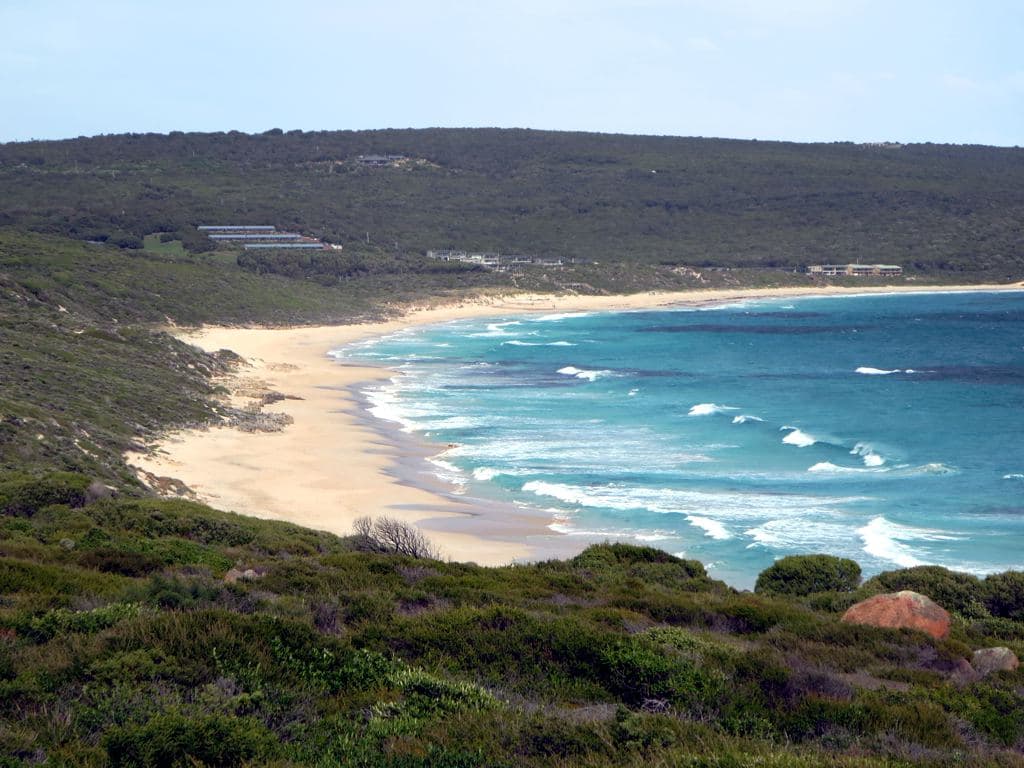
Photo: David Stanley, CC BY 2.0 · via Wikimedia Commons
Plan your visit to Yallingup.
Directions & hours →