[Gallery]
Why the Margaret River Region Has Such a Concentrated Artist Community
Forty years of watching makers arrive, stay, and get better. A long answer to a question I'm asked at least once a week.
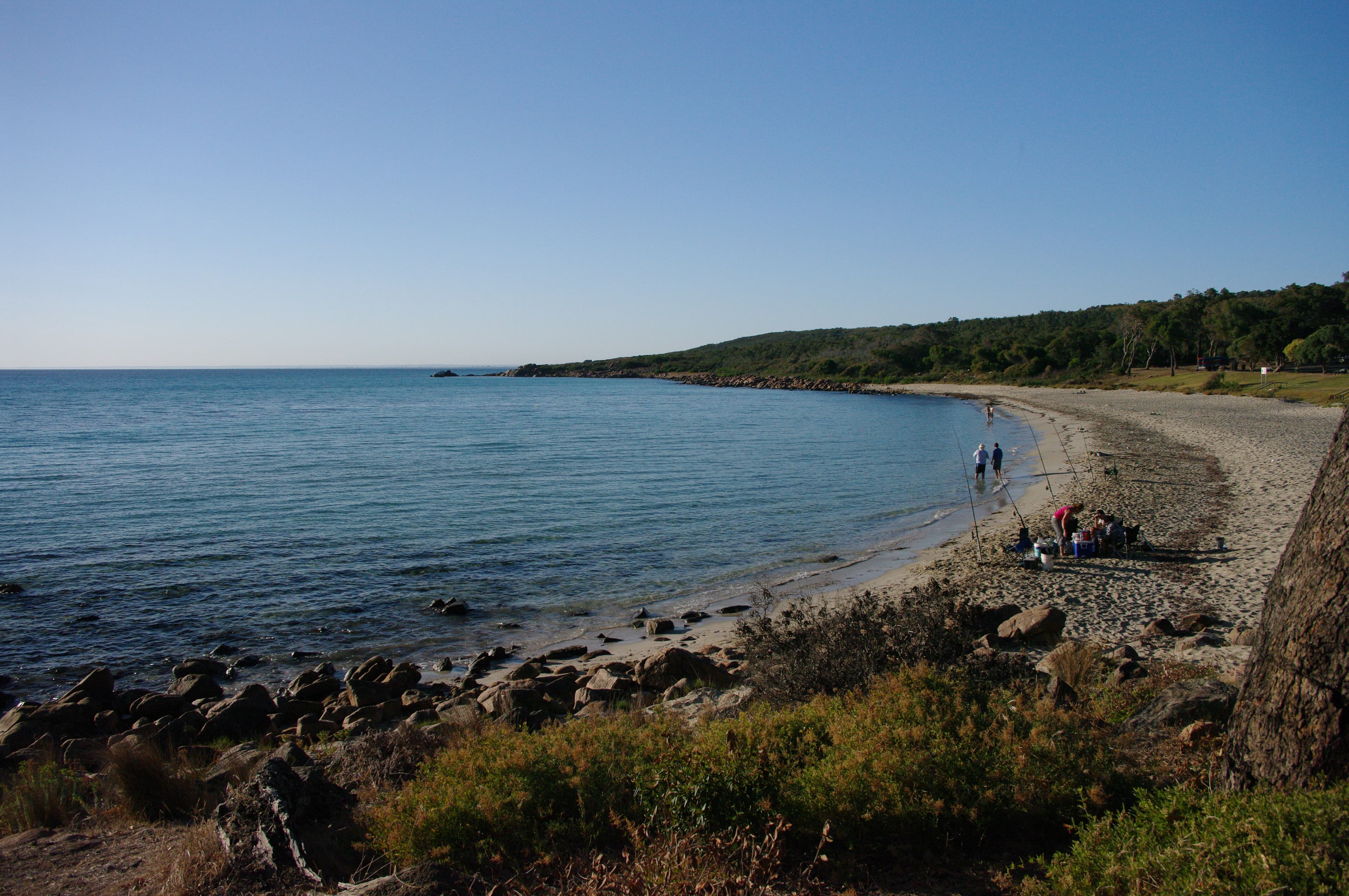
People ask me why so many artists ended up here. My answer is always the same: the environment does something to you. It's not a theory. It's four decades of evidence on Blythe Rd.
I arrived in 1982. There were already a handful of makers in Yallingup then: a furniture maker, a potter or two, a couple of painters living quiet lives on bush blocks. By the late eighties there were more. By the time I opened our gallery to other makers in 2009, the region had become what it is now: roughly 130 working artists between Cape Naturaliste and Cape Leeuwin. That's not a guess. That's the rough headcount the Margaret River Region Open Studios uses every spring.
This post is a long answer to a short question, written by someone who's watched the whole thing happen from one workbench on Blythe Rd.
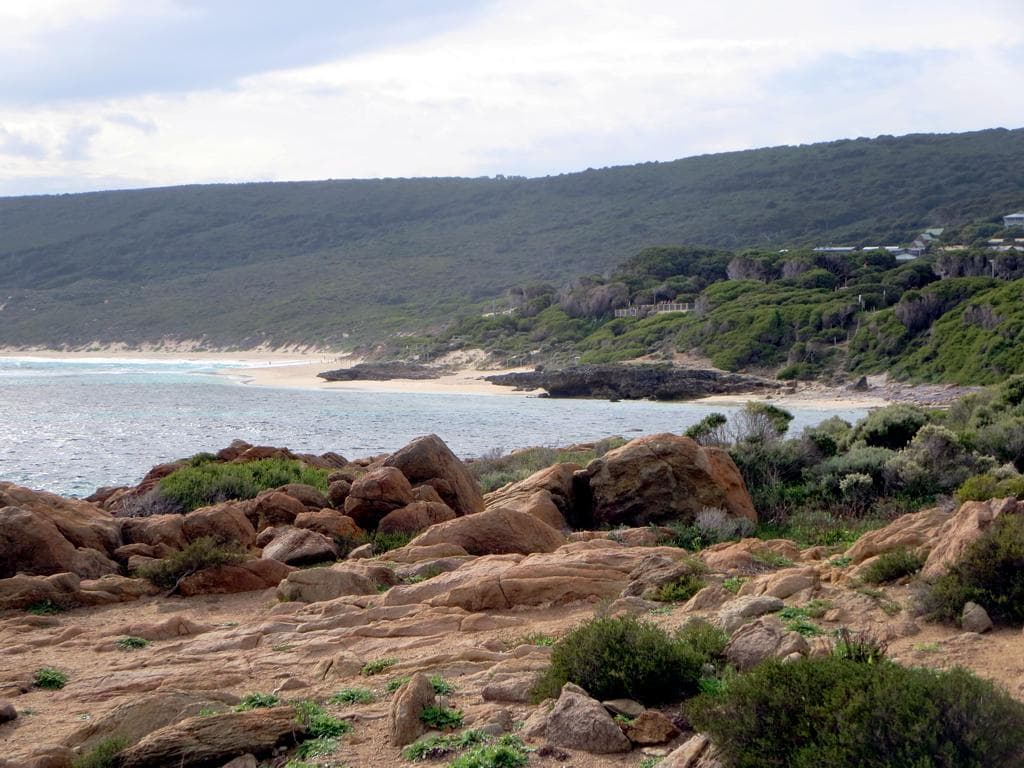
Photo: David Stanley, CC BY 2.0 · via Wikimedia Commons
The environment, first
You can't write a serious answer to this question without starting with the land.
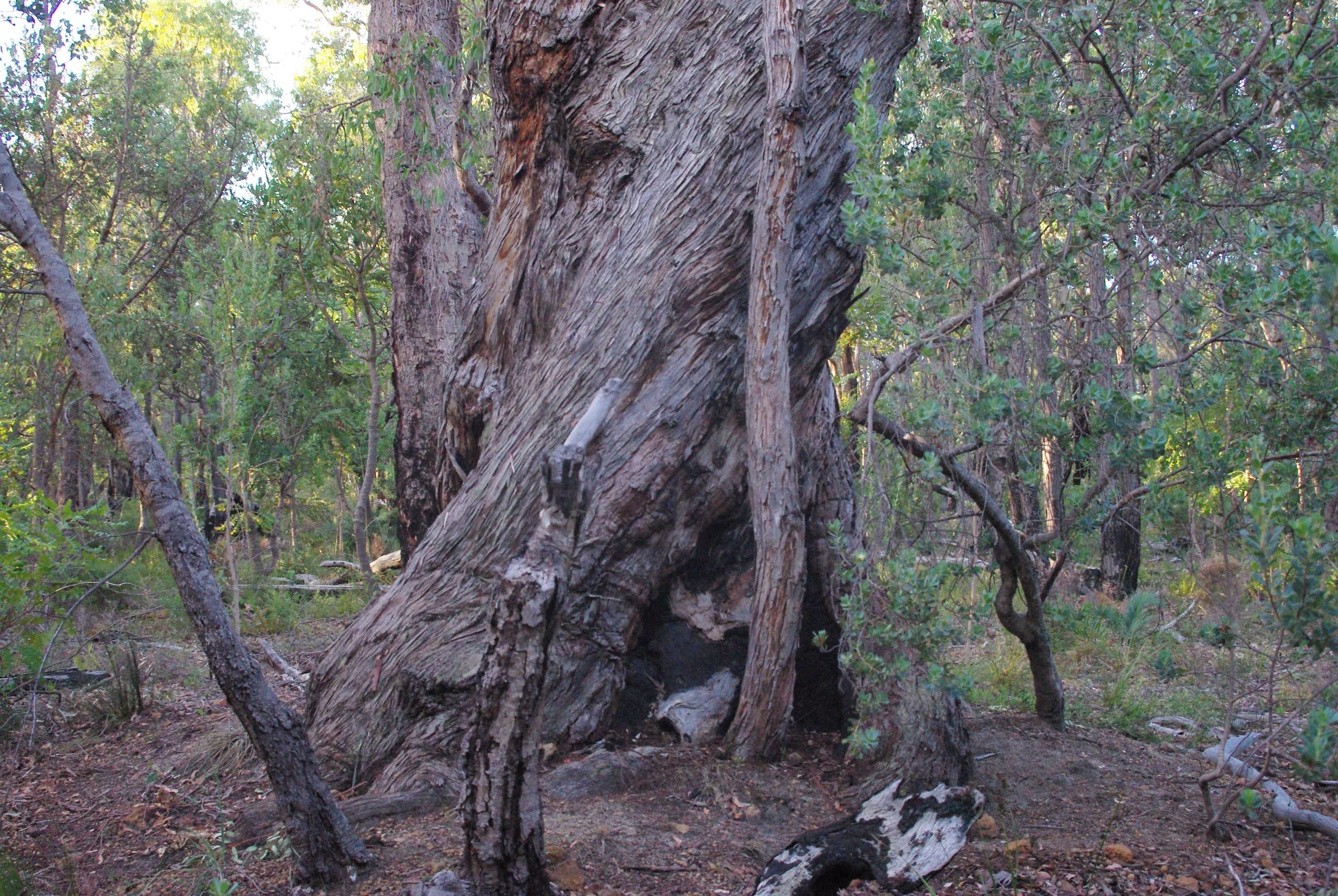
The Leeuwin-Naturaliste ridge runs north to south for about a hundred and twenty kilometres. On one side is the Indian Ocean. On the other is the country that grows the wine. In between is bush (peppermint, marri, jarrah, karri further south) and a coast that has the kind of light that doesn't exist further inland.
Living here, you walk down to a beach most weeks. You see the colour of the water change between seasons. You watch the granite at Canal Rocks come up bone-white in the afternoon and turn copper at dusk. You hear the south-westerly come through the trees at night and you understand why the marri leans the way it does.
None of that goes nowhere. It gets into the work. The painters know it. The photographers know it. The makers in clay and steel and timber know it. The visitors don't always see it on a piece, but it's there in every line.
The pristine environment which I live in.
That's what I said when an interviewer asked me where I draw creative inspiration from. I stand by it. The environment is the precondition. Without it, none of the rest of this happens.
Land that you could afford, once
Here's the part of the answer the romantic version always skips.
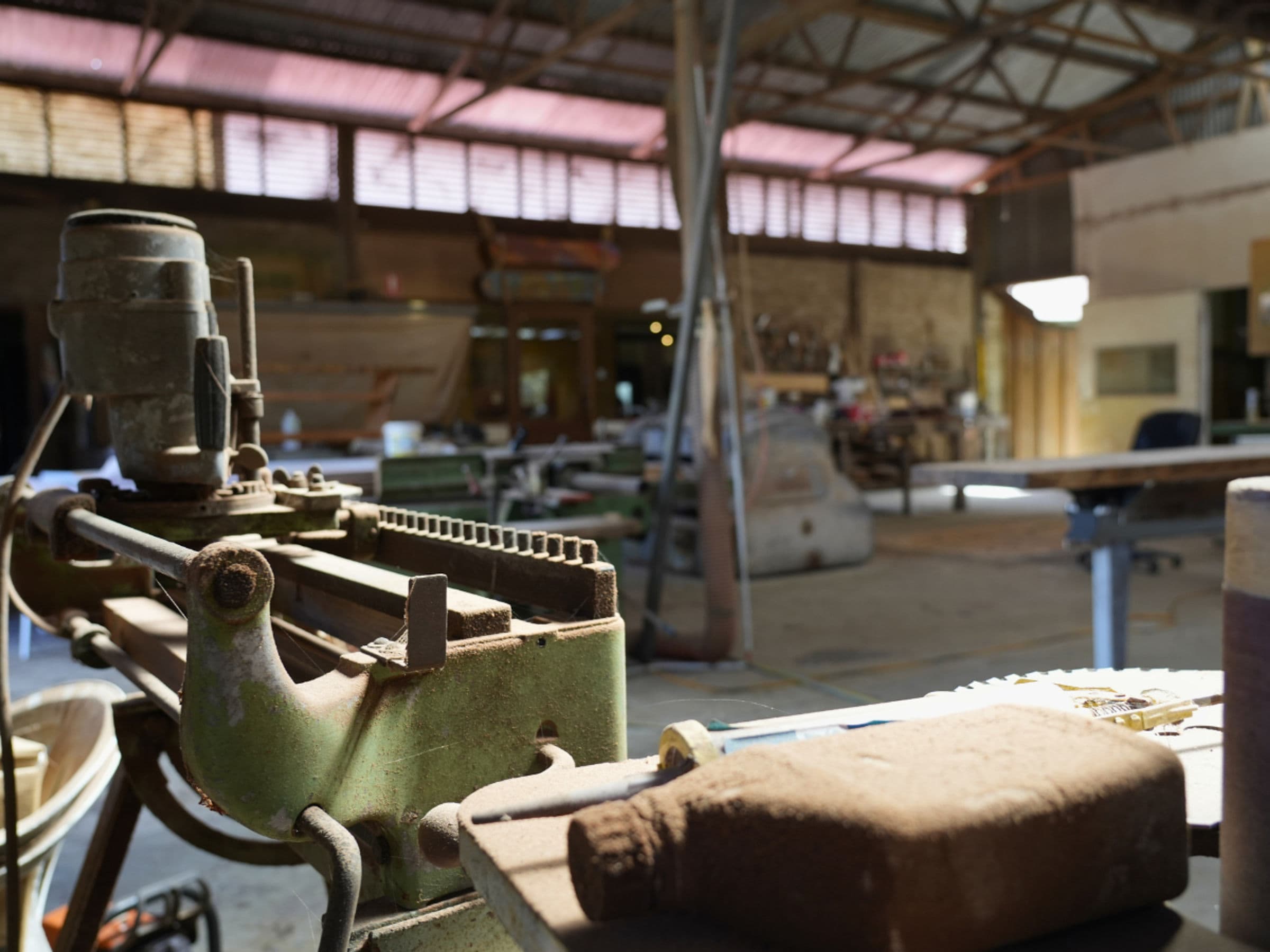
In the seventies and eighties, you could buy a block here. A reasonable block. A few acres, enough room for a workshop and a house and some trees. Not cheap, but possible. A young furniture maker who'd been working six years could put a deposit down and build with his own hands. I did, in 1988. I built the workshop and gallery on Blythe Rd with help from a couple of mates. Jarrah walls. Southwest limestone.
A whole generation of makers came down here for that reason. The painter who needed a north-light studio could build one. The potter who needed three phase power and an enormous kiln shed could put it up. The blacksmith could weld in his own paddock without a neighbour complaining. That was the practical foundation that gave the region its head start.
It's harder now. Land prices have gone the way land prices go everywhere. But the makers who arrived in those decades stayed, and the studios they built are still standing. The infrastructure of the region's craft scene (physical infrastructure, sheds and kilns and workshops) was laid down by people who could afford to lay it down. That matters.
A handful of early figures
You can't tell the story without naming a few people.
Christian Fletcher, the landscape photographer, built a gallery in Dunsborough that became one of the early reference points for what a serious working artist's studio could look like in the region. The painters Robert Juniper and Guy Grey-Smith were associated with the South West long before most of the current generation arrived. Their work pointed at what this country could do for a painter. A handful of potters and ceramicists who set up in the seventies and eighties created a quiet network of teaching and sharing that the next generation walked into.
I'm not naming the whole list. There are too many. What matters is that by the time someone like me arrived in 1982, there was already a thread: a few makers doing serious work, a few studios open to a visitor who knocked on the door. The thread is the seed. It pulls more thread.
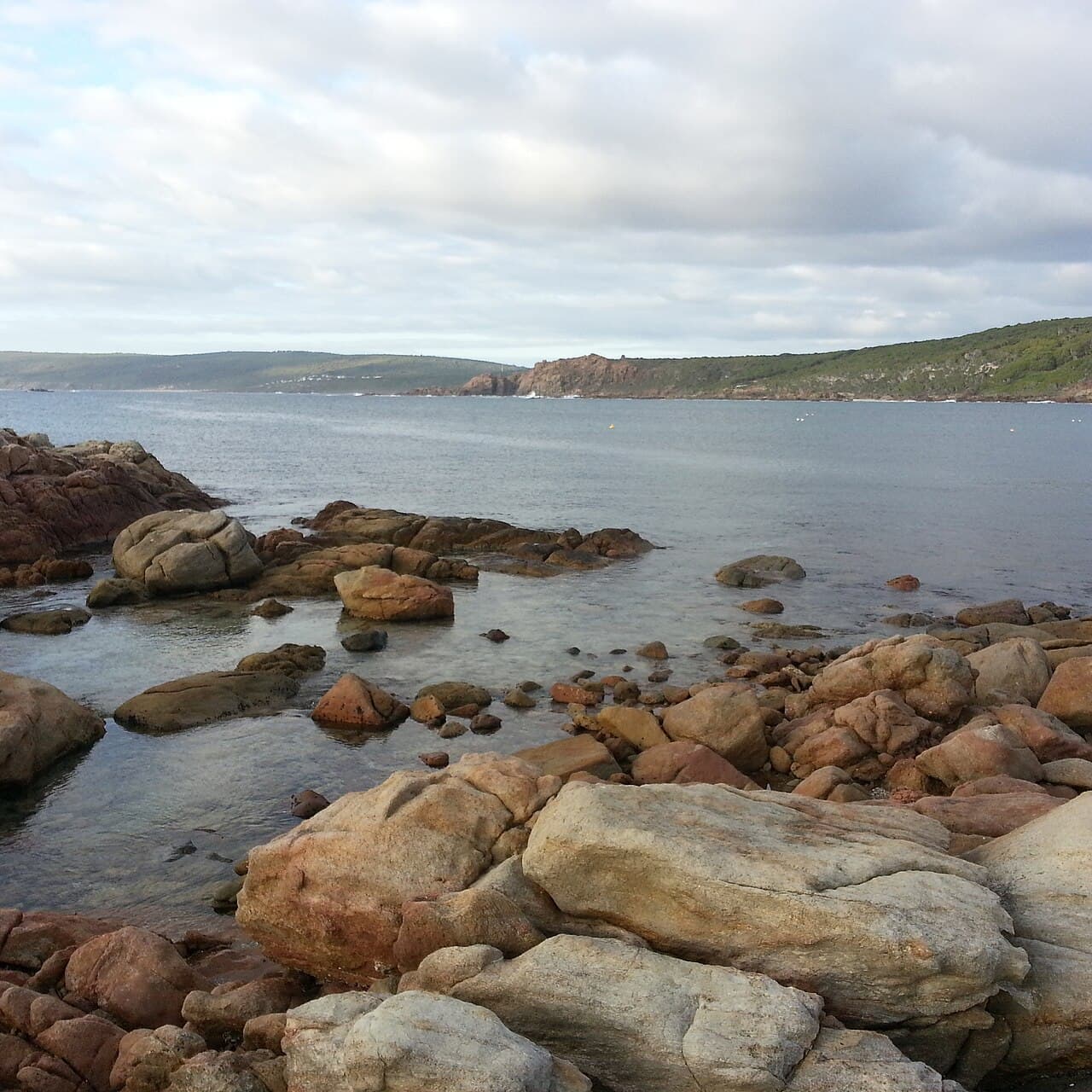
Photo: Lasthib, CC BY-SA 4.0 · via Wikimedia Commons
The wine industry, parallel
The wine industry arrived in the late sixties. Vasse Felix went in 1967. Cullen, Moss Wood and Cape Mentelle followed shortly after. By the eighties the region had a serious cluster of small-batch winemakers doing serious work.
This matters for the art community for a particular reason. Wine and craft attract the same kind of customer. The person who'll drive four hours from Perth to spend a weekend tasting cool-climate cabernet is, statistically, also the person who'll walk into a furniture gallery on the way home. The wine industry brought the audience.
It also brought a culture. The early winemakers down here were obsessive about their craft. They were doing things slowly, paying attention to the material, working in batches small enough that every barrel mattered. The makers who arrived in the same decades recognised their own values on the other side of the fence. Vasse Felix, Cullen, Clairault Streicker: all of them treat the food and the wine the way a furniture maker treats a slab of jarrah. Same attention. Same patience.
The two industries don't just coexist. They feed each other.
The Open Studios trail
In 2002 a few of the makers in the region (I won't pretend to remember every name on the original committee) started Margaret River Region Open Studios. The idea was simple. For two weeks each spring, every working artist in the region opens their door to the public. Free. No bookings. You drive the trail with a map and you go where you want to go.
That fortnight has done more for the region's art community than almost anything else. It turned a scattered collection of makers into a network that promotes itself. It taught the visitors how to actually find and visit studios. It gave the makers a fixed point in the year where they had to clean up the shed and put the work out and have a conversation.
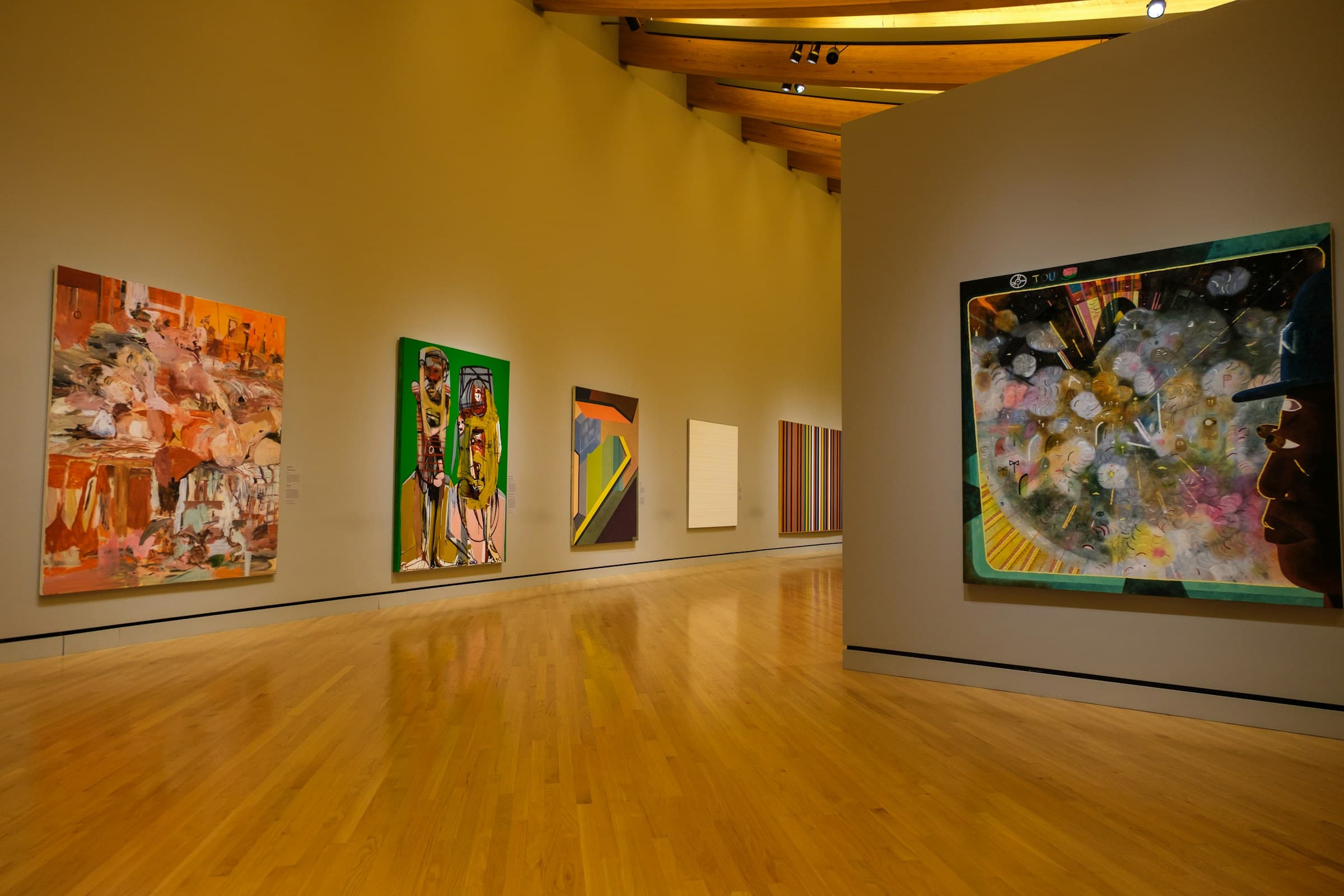
It's now in its third decade. Roughly 130 artists open up each spring. Painters, ceramicists, sculptors, photographers, furniture makers, jewellers, printmakers, glassblowers. The whole spread. It's the best fortnight of the year if you want to understand how this region actually works as a community of makers.
Why makers stay
A region attracts artists for a lot of reasons. A region holds artists for fewer reasons. This is the part I know most about, the staying part, because I've done it since 1982.
You stay because the work gets better here. The light. The timber. The fact that you can walk to the beach in the middle of a working day and come back with the answer to a problem you couldn't solve at the bench. The fact that the south-westerly clears your head when nothing else will. The work I make at sixty-something is better than the work I made at thirty, and a meaningful chunk of that improvement is the place.
You stay because the other makers are here. I built the workshop on my own in 1988. In 2009 Pam and I opened it to Alan Fox, Julia Carter, Dylan Fox, Elani: glassblower, painter, photographer, painter. I'd been watching what they were doing for years. Our gallery was always going to be better with more than just me in it. That's not a marketing decision; it's how craft actually works. Makers get better when they're around other makers.
You stay because you can actually live here. Most weeks I surf. I snowboard somewhere overseas once a year. I go to the Margaret River Farmers Market on Saturday morning. I cook with food my neighbours grew. I sleep well at night. The work and the life run together. I don't separate them.
You stay because of the visitors. The other thing I told that interviewer: the meeting and greeting wonderful visitors from all over the world, telling them my story and listening to theirs. After a lifetime here that's still half of what I do. People come into the gallery from every part of the world. Some commission pieces. Some don't. All of them leave a small mark on the work I make next.
Craft is not a competition. The work I do gets better when it's next to work I admire. Our gallery was always going to be better with more than just me in it.
The honest counterweight
I'd be selling you a fairy tale if I didn't say the other part.
It's not easy to make a living as an artist in this region, or any region. The land is expensive now. The cost of running a studio (rent, materials, freight, insurance) has gone up faster than what a small piece will sell for. The market for high-end craft sits with a relatively narrow band of collectors and that band is competitive. There are makers down here who've been at it for thirty years and are still tight some months.
The community works because the makers help each other. We share leads. We share suppliers. We refer collectors to other studios when a piece isn't a match for what we make. Our gallery on Blythe Rd represents four other makers besides me, and several of the studios in Dunsborough and Margaret River do the same. That horizontal support is what keeps the community standing when individual studios have a quiet year.
A region with this much working craft is rarer than people think. It requires luck, land, a handful of stubborn early figures, an adjacent industry that brings the audience, and a culture of mutual support among the makers. The Margaret River region has all five. That's why it looks the way it looks.
What you can do with this as a visitor
A few practical notes.
Coming for the craft scene specifically? The Open Studios fortnight is the best window. Spring. About two weeks. Roughly 130 studios. Use the trail map. It's free and it's good.
Outside of Open Studios, most working studios are by appointment. Phone ahead. The makers are usually at the bench and they'd rather know you're coming. The galleries (mine, the ones in Dunsborough, the ones in Margaret River town) are walk-in. Allow at least two days to see more than a fraction.
For a structured route, a collector's itinerary is the two-day version I send to serious collectors. a self-drive gallery crawl is the half-day self-drive option around Yallingup.
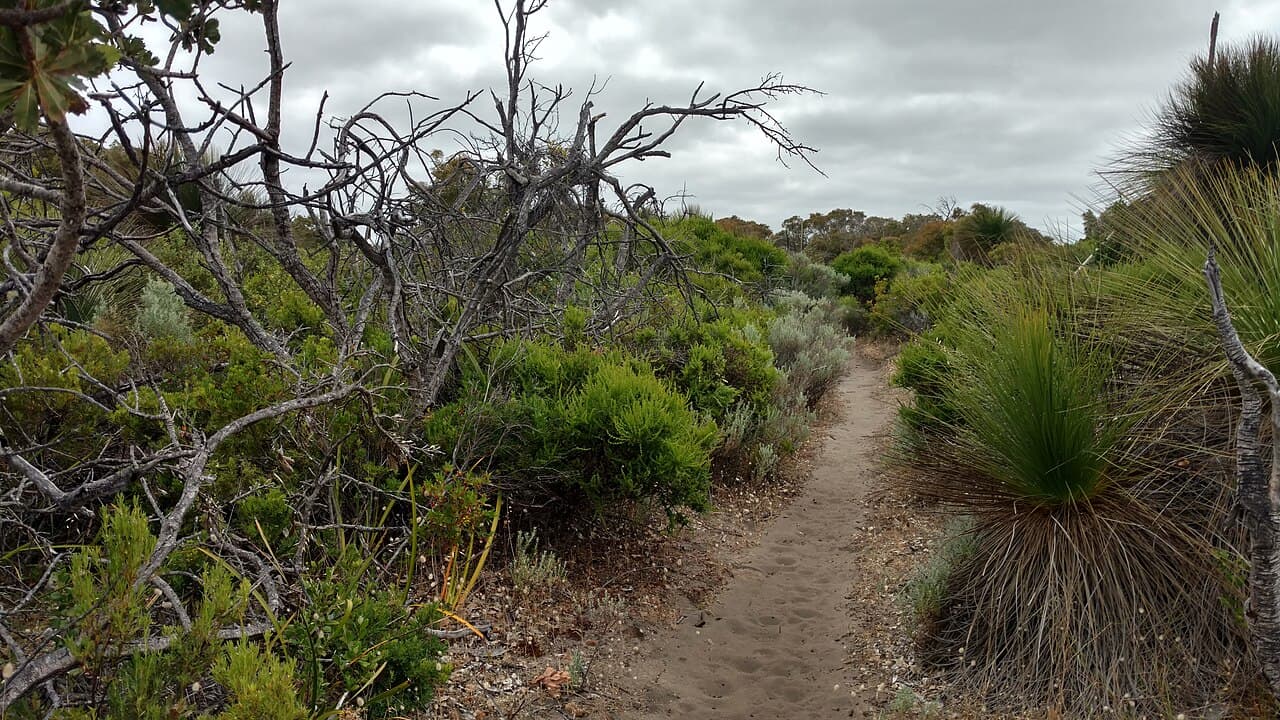
Photo: Lasthib, CC BY-SA 4.0 · via Wikimedia Commons
What I'd say to a young maker thinking of coming down
Come. It's worth it. The land is expensive but you can find a way in: share a studio, rent a shed, work out of a corner of someone else's space. The makers down here are generous about this when they trust you're serious.
Get to know the older makers. Not to sell to them. To learn. There are people in this region who have been making for forty and fifty years and the things they know are not written down anywhere. They'll share when you turn up and listen.
Use the place. Walk the Cape to Cape. Surf when you can. Sit on a beach in autumn — that's when the region exhales and the light is at its best. Do the work that the place makes you want to do, not the work you were doing before you got here. That's the part of moving that justifies the move.
The gallery on Blythe Rd, Yallingup represents five working artists, including me. Workshop viewing window into the bench is the heart of the building.
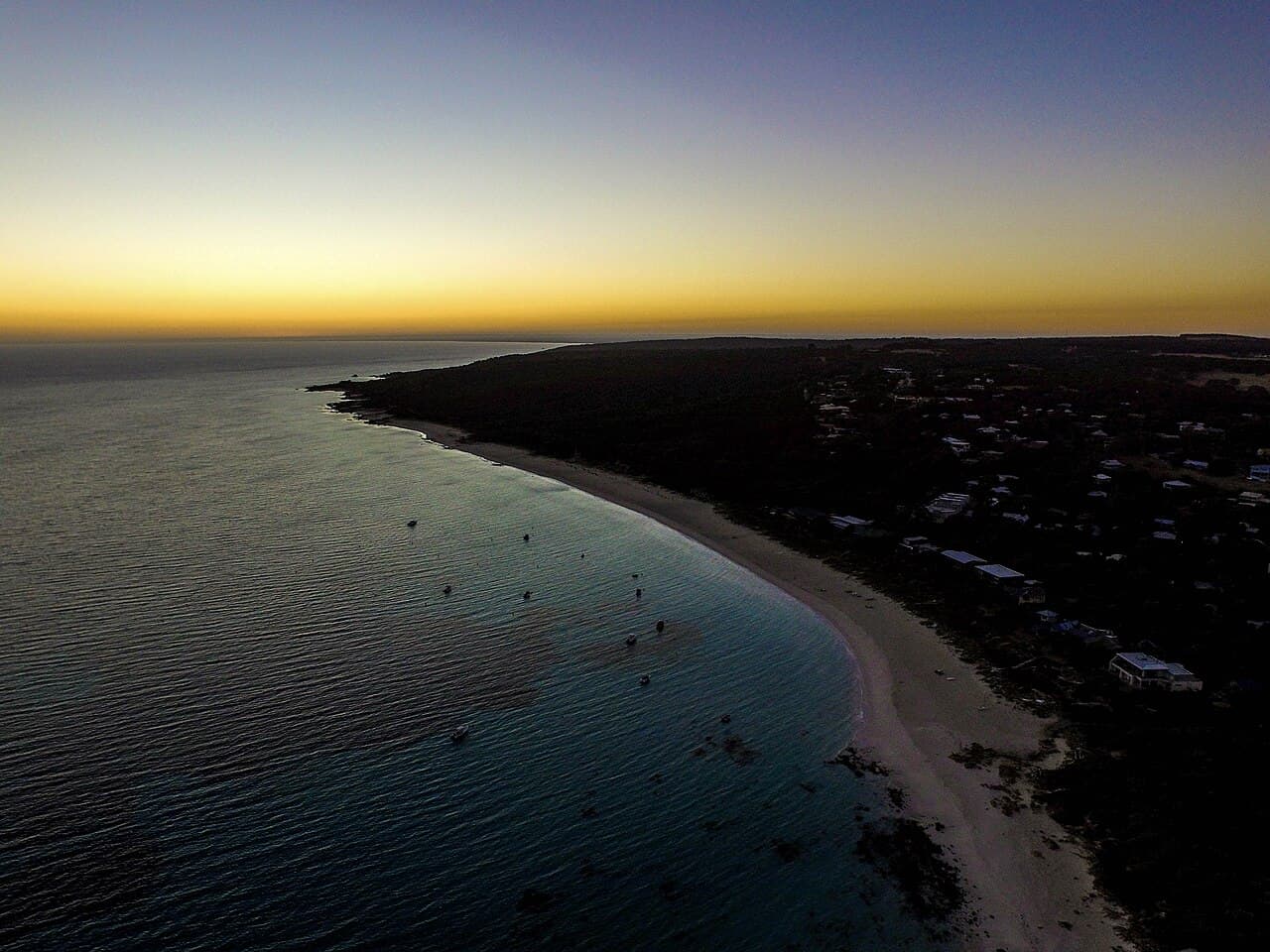
Photo: Harry Foley, CC BY-SA 4.0 · via Wikimedia Commons
The short version
The land got people in. The wine industry brought the audience. The early makers laid down the infrastructure. The Open Studios trail knit it together. And the environment keeps it honest — it doesn't let you make bad work for long, because the place itself is too good to be cheap about.
After all this time, the region is the work and the work is the region. You can't separate them. That's why the artist community is what it is. That's why I'm still here.
Read next: who John Streater actually is.
Plan your visit to Yallingup.
Directions & hours →