[Gallery]
Margaret River for Collectors: A 2-Day Art and Craft Itinerary
Not a wine tour with a gallery tacked on. A two-day route built around the makers — at the bench, in the studio, where the work actually happens.
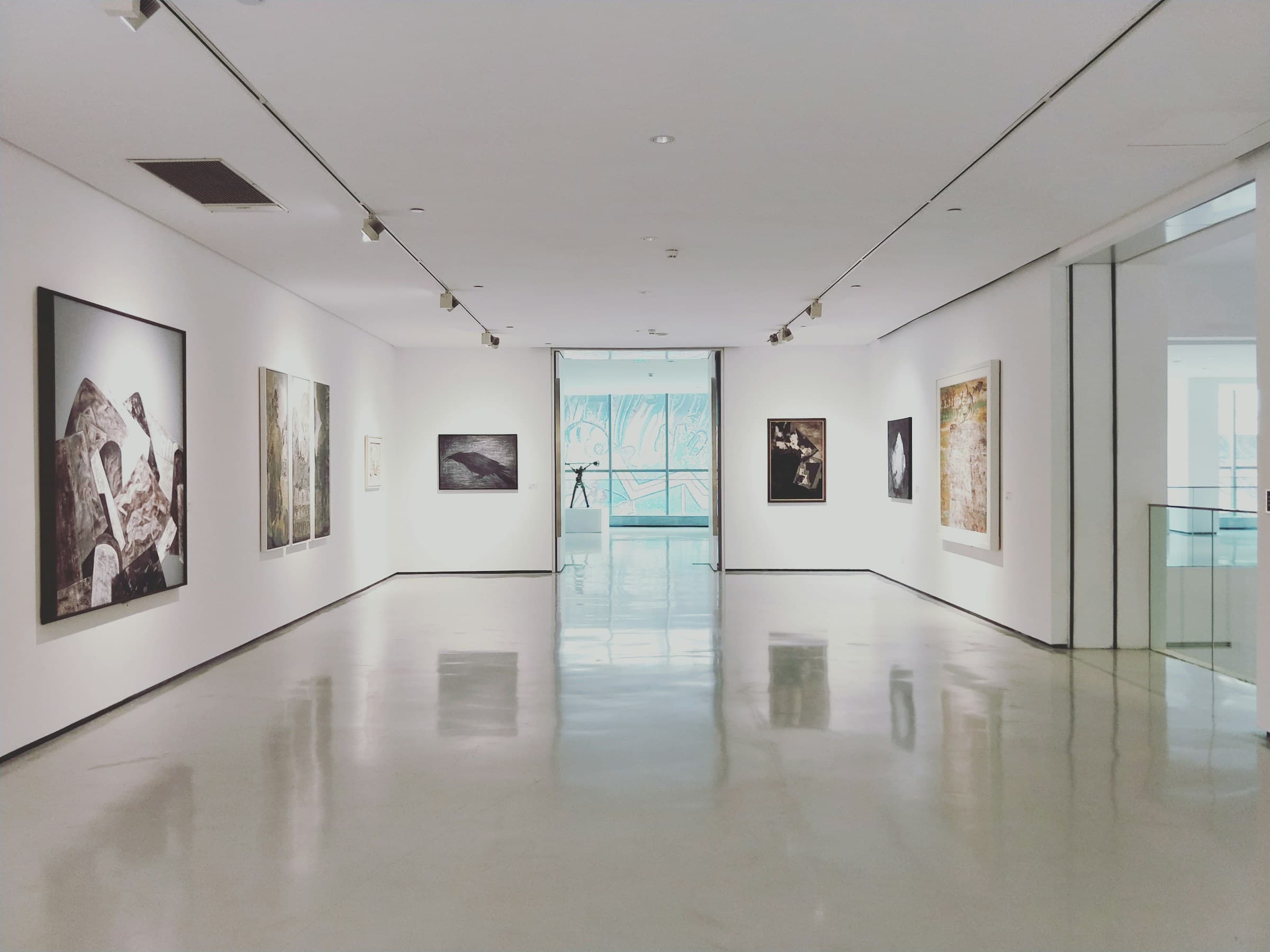
The collectors who come through here are a particular kind of visitor. They're not looking for a tasting note. They want to meet the maker.
I can usually tell within thirty seconds. They walk in, they don't head straight for the price tags, and they ask about the wood before they ask about anything else. Some are buying for a house being built. Some are buying because they've been thinking about a piece for a year. Some aren't buying at all on the day. They're looking, learning, listening. They come back six months later and they know exactly what they want.
This itinerary is for them. Two days, slow, no rushing. Every stop is a working studio or a gallery curated by makers who'll talk to you. For a wine tour, this isn't it, though there's a glass of wine at the end of day one because we live where we live.
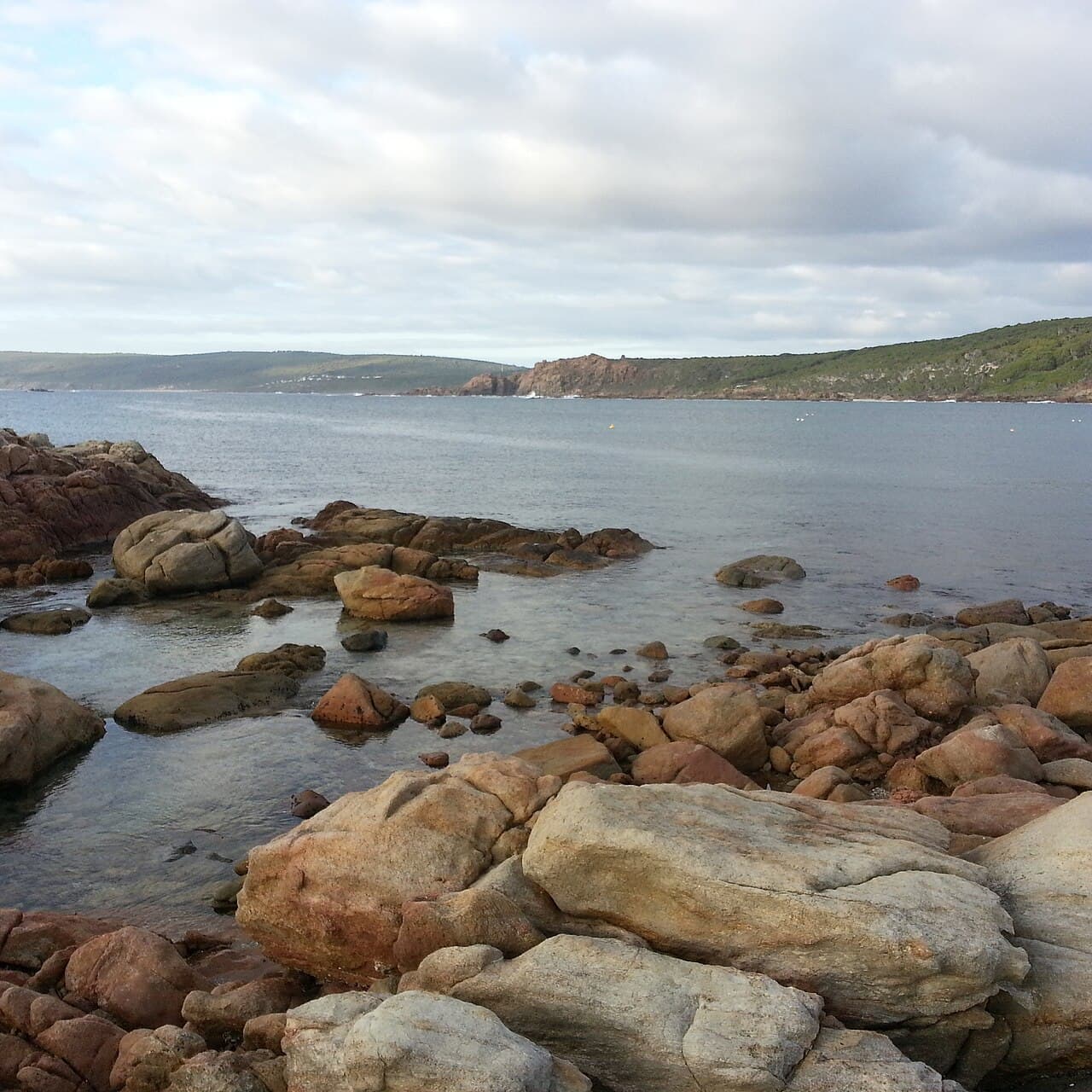
Photo: Lasthib, CC BY-SA 4.0 · via Wikimedia Commons
Before you set out
A few honest things to know.
Most working studios in the region are open by appointment, not by walk-in. Phone or email a day or two ahead. The makers who matter are usually at the bench, and they'd rather know you're coming so they can put the chisel down.
The Margaret River Region Open Studios runs each spring: two weeks where roughly 130 artists open their doors. Serious collectors should time their visit to that fortnight where possible. The link is at the bottom.
And the practical bit on getting around: phone studios ahead. The makers will tell you the right way in. The same kind of mapping detour catches people out at a few of them.
Day one: Yallingup and Dunsborough
Morning on Blythe Rd
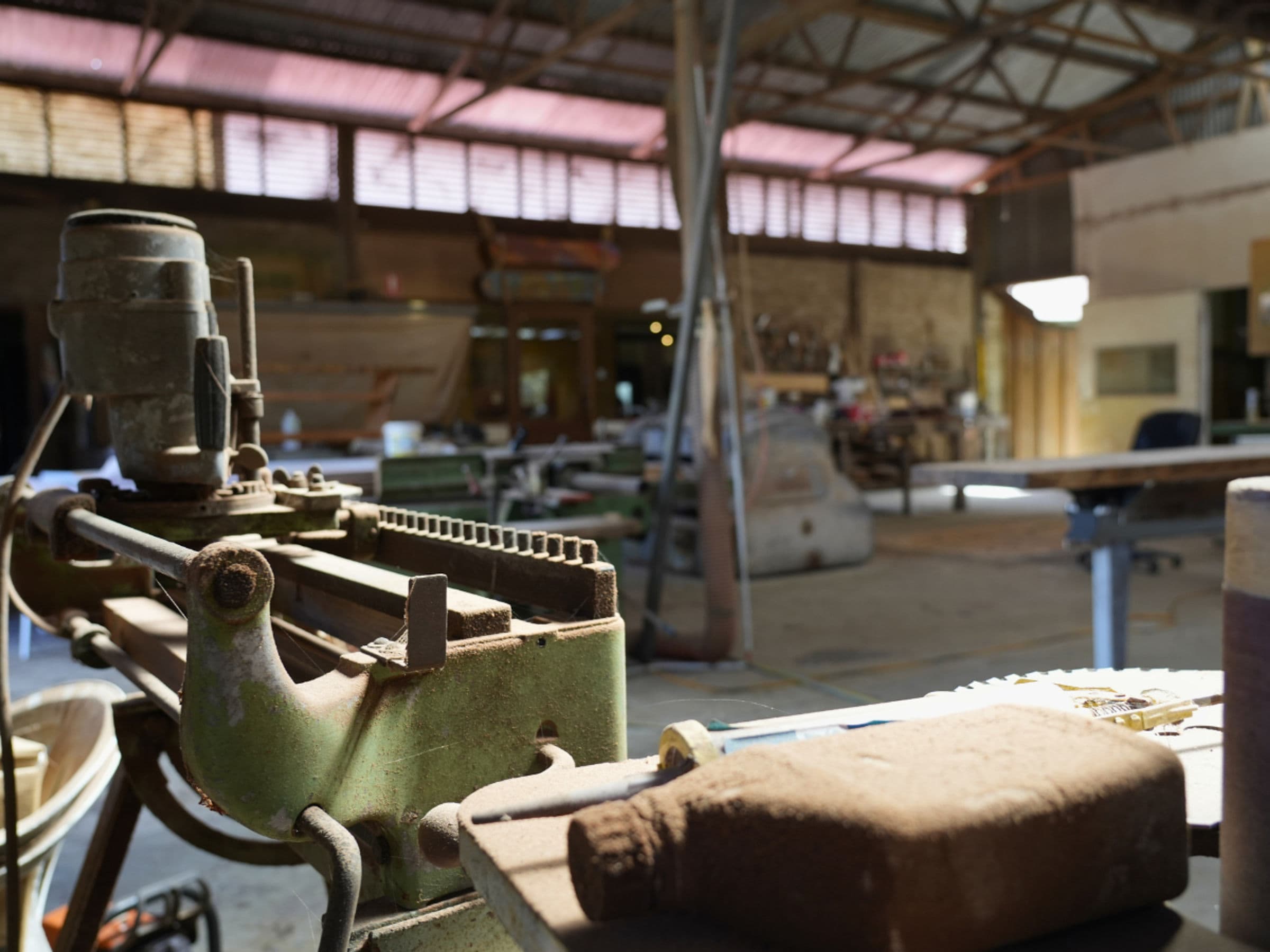
Start at my place on Blythe Rd. I'm not saying that because it's mine. I'm saying it because the gallery is built for this kind of visit. The viewing window into the workshop is open whenever the gallery is. You can watch the pieces being made. You can ask about the timber and I'll tell you exactly where the slab came from and how long it's been seasoning. Pam runs the front. She's the one to ask about the smaller pieces, the prints, the work by the other makers we represent. She'll usually work out what you're actually looking for before you've finished explaining it.
I share the gallery with Alan Fox (glass), Julia Carter (painting), Elani (painting), Dylan Fox (photography). All four are working artists with studios of their own elsewhere in the region. If a particular piece in the gallery speaks to you, ask. We'll often ring the maker and arrange a studio visit later in the day.
Give yourself two hours. Less than that and you haven't really seen the place.
John Streater Fine Furniture sits on Blythe Rd, Yallingup. Workshop viewing window open whenever the gallery is. Open most days — phone if you want to come on a Sunday.
Midday in Dunsborough
Drive to Dunsborough for lunch. Twenty minutes up the road. The town has a handful of galleries worth a half-hour each, plus a couple of jewellers whose work is genuinely original. Eat at one of the cafes on the main street. Ask the regulars which are good in the current season.
After lunch, head out toward Cape Naturaliste. The drive to the lighthouse is twenty minutes and it's the orientation every visitor should have. You can't understand why the makers live here until you've stood at the top of the cape and looked south.
Afternoon studio visits by appointment
The afternoon is when the pre-booked studio visits happen. Most collectors I send out for the afternoon will have arranged two visits: one painter, one craft maker. Two is the right number. Three is too many. The good visits are the ones where you sit down with a cup of tea and the maker shows you the work in progress.
Studios worth chasing: the painters and printmakers around Quindalup and Dunsborough, the ceramicists scattered between Yallingup and Cowaramup, a couple of jewellers further south. Ask me when you're in the gallery. I'll tell you who's working on what and who'd welcome a visit.
Evening dinner
Have dinner at Vasse Felix or Clairault Streicker. Both are fifteen minutes from Yallingup. Both serve food that takes the wine seriously without making a song of it. If you've spent the day looking at craft, sitting down to a meal where the same care is on the plate is the right way to close the day.
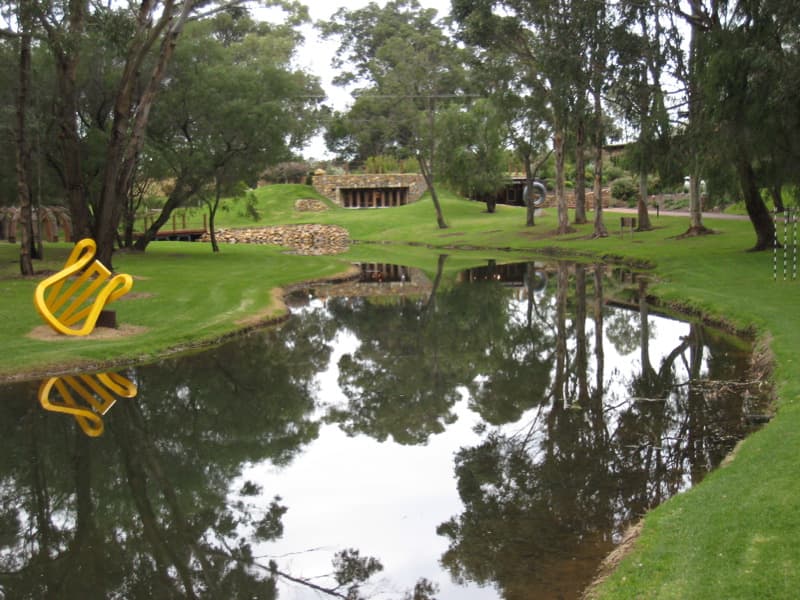
Photo: Vasse Felix, CC BY-SA 2.0 · via Wikimedia Commons
Day two: down the road, slower
Morning in Margaret River
Drive down to Margaret River town. About forty minutes from Yallingup. If it's a Saturday, the Margaret River Farmers Market is your first stop. Yes, even for collectors. The producers are makers too. The bread, the cheese, the honey, the smallgoods. Same conviction, different material. I go every Saturday I can.
After the market, the main street has a couple of galleries that consistently show strong work. The big landscape photographers exhibit here. There are good ceramicists. There's a fine art gallery that handles secondary-market Australian work if that's your interest. Walk it slowly. An hour and a half is plenty.
Midday at a winery
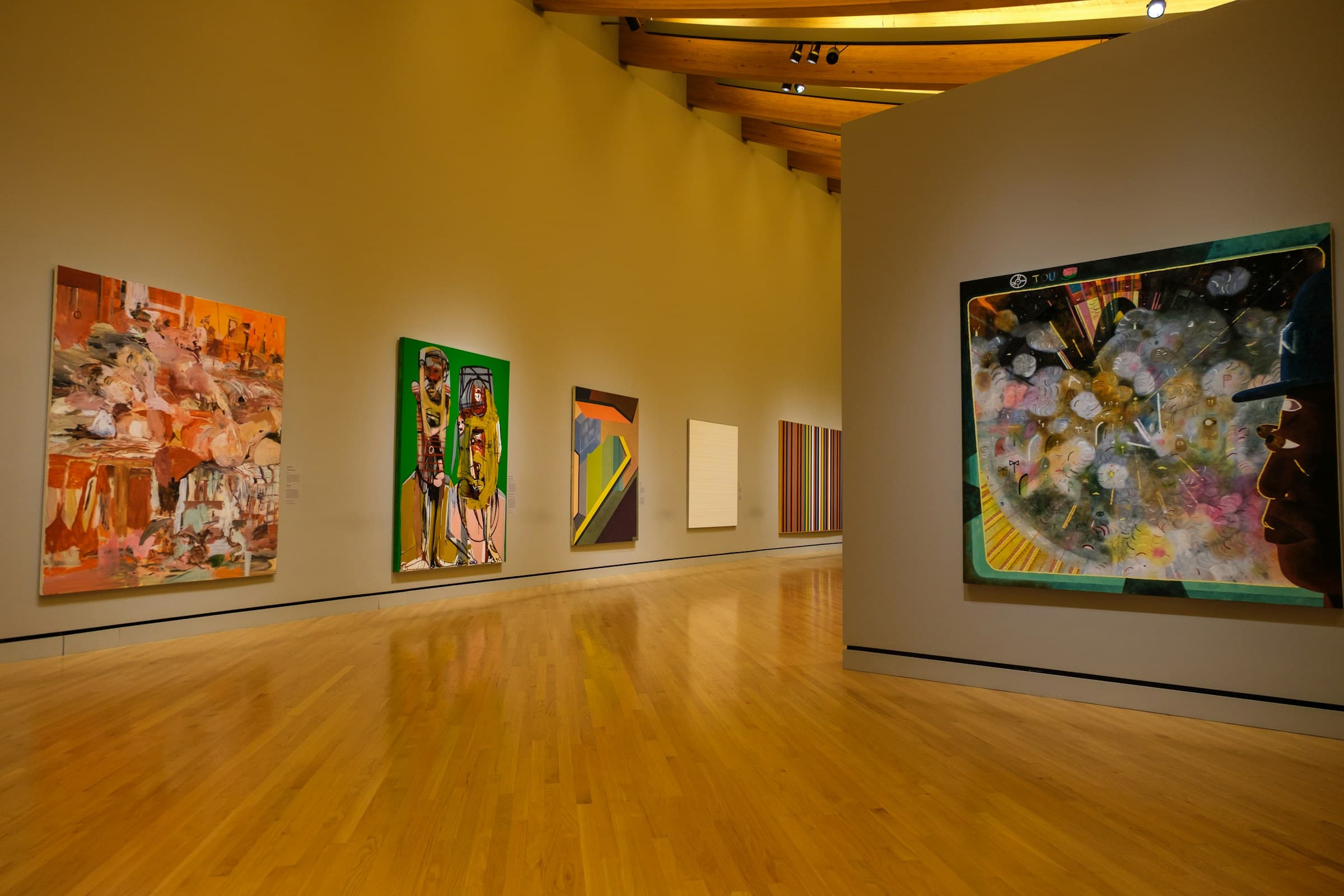
Vasse Felix and Cullen Wines both have proper restaurants on site. So does Leeuwin Estate further south. Pick one. The art on the walls at Leeuwin in particular is worth the visit on its own. They collect Australian painting and they put it up where you can actually look at it.
Afternoon down Caves Road
The drive south down Caves Road is the part of the region most casual visitors never see. Studios are tucked into bush blocks off side roads. The makers here are doing some of the most interesting work in the region precisely because they're far enough from town to work without interruption.
Ceramicists, sculptors in steel and stone, one or two more furniture makers. Ask the makers in the morning galleries who's worth chasing south. They'll tell you.
If you have an hour spare at the end of the day, walk a section of the Cape to Cape Track. Even a kilometre or two. The walk is the source water for everything that comes out of these studios. the Cape to Cape from Yallingup
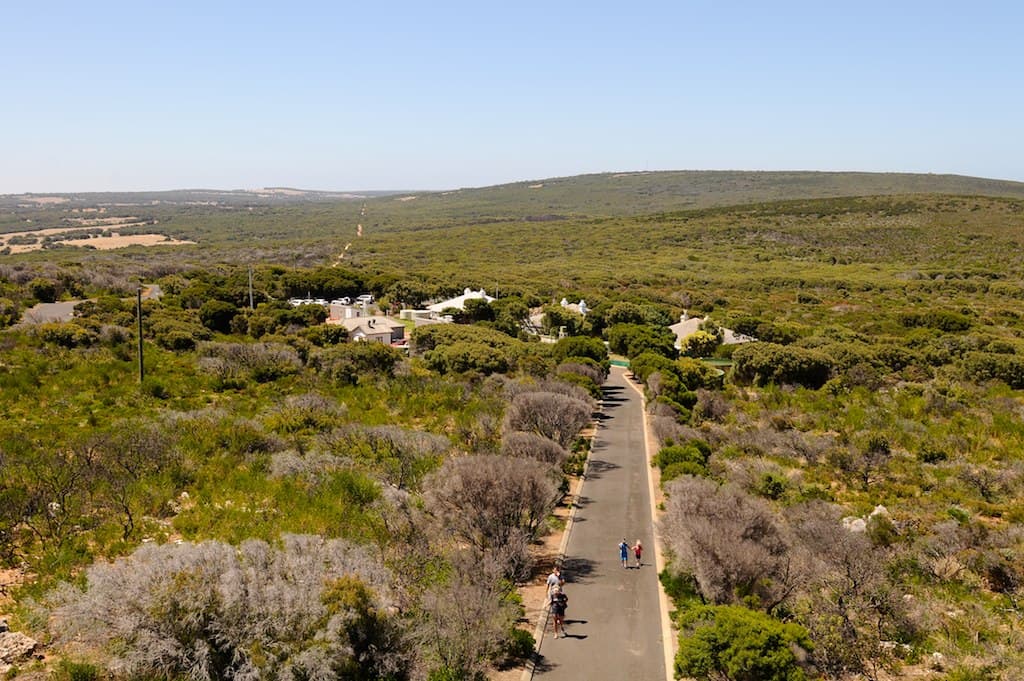
Photo: Stuart Sevastos, CC BY 2.0 · via Wikimedia Commons
How to actually buy a piece
A few notes I give every serious collector who asks.
Buy the work you can't stop thinking about, not the work everyone else is talking about. The piece that sits in your head for three weeks after a studio visit is the piece. The one you wrote down on a list is rarely the right one.
Talk to the maker. Not to flatter them. To understand the work. The piece changes once you know how it came to be. The conversation is part of what you're buying.
If a piece is going to live in your home for thirty years, take a week. Two weeks. The good makers don't mind. We'd rather sell a piece to someone who's sure than to someone who's polite.
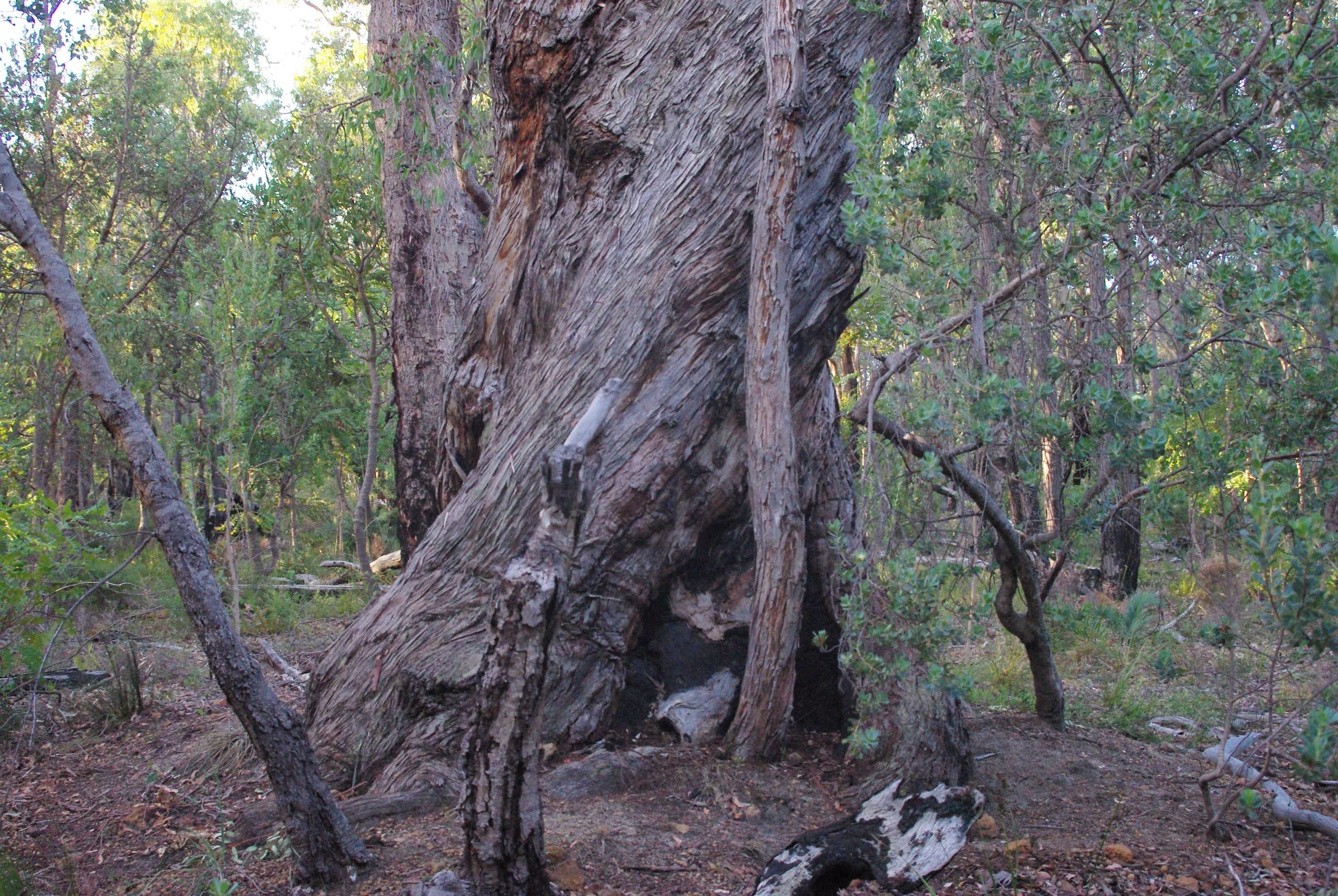
And ask about the timber, the clay, the pigment, the source. The makers worth your money will tell you exactly where the material came from. If they can't, that tells you something.
Why this region
People ask me why the region holds this much craft in one stretch of coast. The honest answer is in another post: how this artist community came together. The shorter answer is that the environment does something to the people who live and work in it. You can't walk the Cape to Cape every weekend and not be changed by it. The work shows the change.
If you come down for two days, you'll leave with more than a piece. You'll leave with an understanding of where the piece came from, which is the part that matters when it's sitting in your living room twenty years from now.
That's the collectors' version of this place. It's not the only version. But it's the one I'd give my own friends.
Read next: the maker, in his own words.
Plan your visit to Yallingup.
Directions & hours →