[Workshop]
Meet the Maker: What 40+ Years of WA Hardwoods Has Taught John Streater
From a job down the road in 1982 to a jarrah-and-limestone gallery on Blythe Rd. A long answer to a short question.
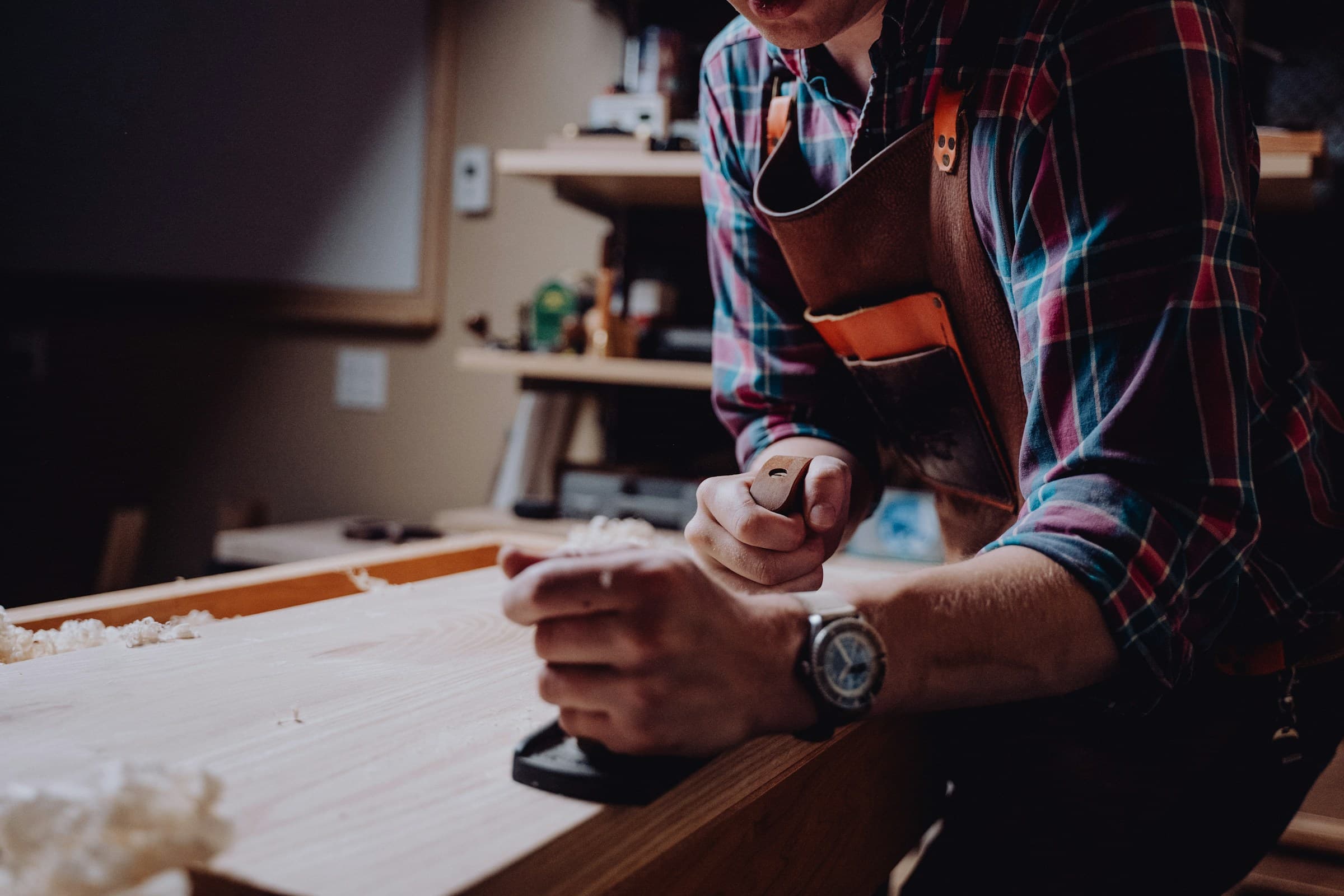
I started in 1982, working for a furniture maker down the road. I learned by doing, which is the only way I know how to learn. Six years later, I built the workshop on Blythe Rd, and Pam and I have been here ever since.
That's the short version. The long version is more or less the same story, just told slower.
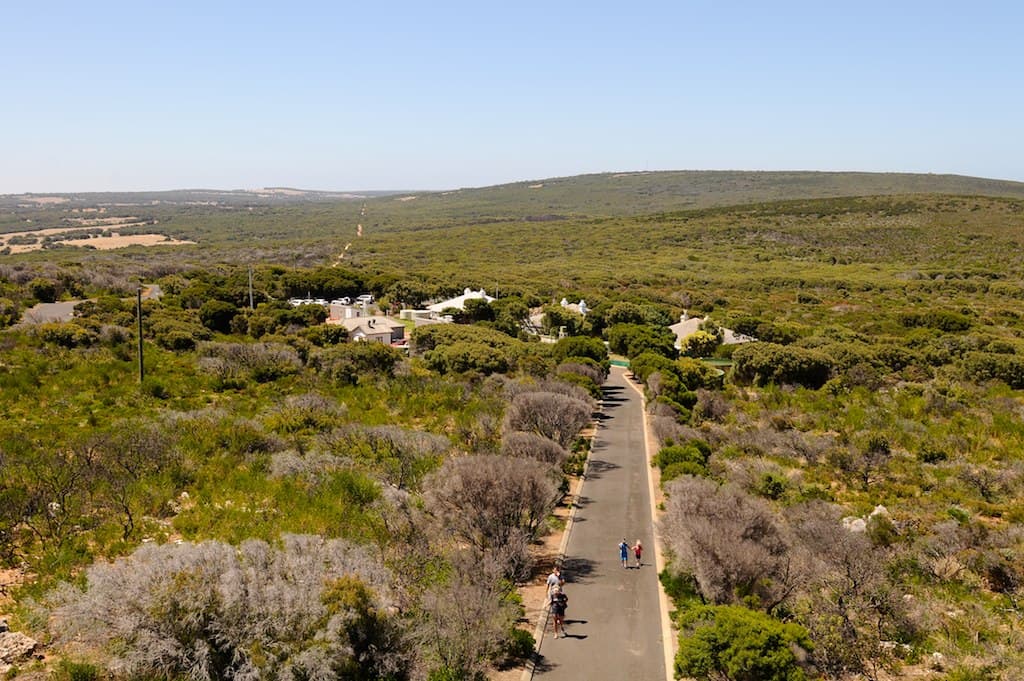
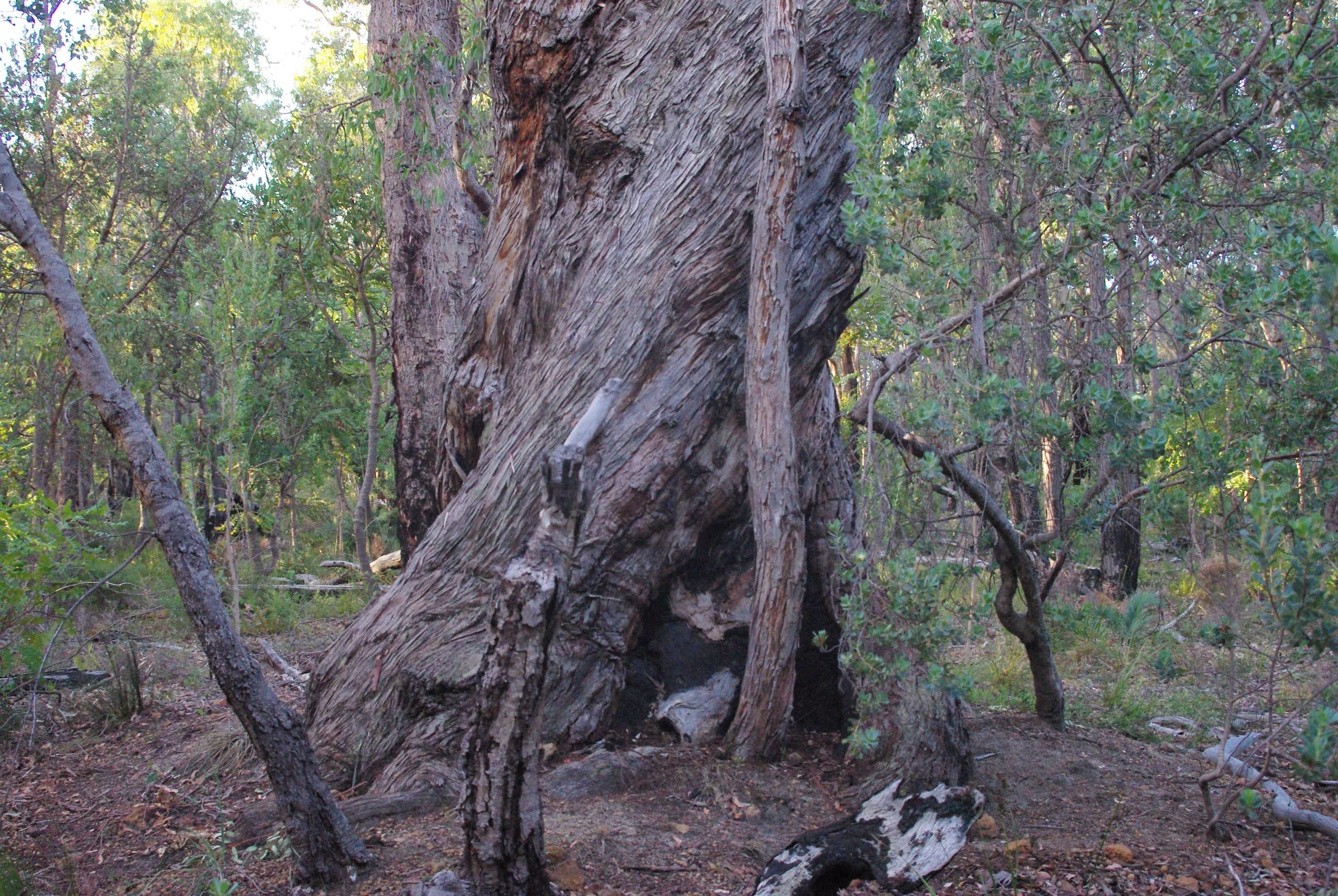
Photo: Stuart Sevastos, CC BY 2.0 · via Wikimedia Commons
1982: starting
I came to Yallingup in 1982 because there was a furniture maker here who needed someone, and I needed somewhere. That's an unromantic way to start a story about four decades of craft, but it's the truth of it. I didn't move to a region. I moved to a workbench.
The six years I spent with him are the years I learned how to actually do this. Not the design. The doing. How to dress a board. How to read a length of jarrah and know where the heart of the tree was before you cut. How to mark a joint and cut to the line, not over and not under. How to know when a piece is finished and walk away. He taught me the things that don't have names and you can't write down in a book.
By the late eighties I was ready to work for myself. I'd been looking at a block on Blythe Rd for a while. In 1988 Pam and I bought it, and we built.
1988: the gallery
I built the workshop and the gallery the same way I build furniture. Jarrah walls, southwest limestone. It wasn't a decision I made consciously. I only know one way to build things. The walls hold the same wood I work with every day. It felt wrong to put the pieces anywhere else.
The limestone came from a quarry not twenty kilometres from here. The jarrah came from sustainably milled stock, slow-grown, deep-red, the kind of timber that takes a finish so well you don't want to touch it once it's on the wall. I did the build myself with help from a couple of mates. It took a year. People sometimes ask me which is my favourite piece in our gallery, and the honest answer is the gallery.
I built the gallery the same way I build furniture. The walls hold the same wood I work with every day. It felt wrong to put the pieces anywhere else.
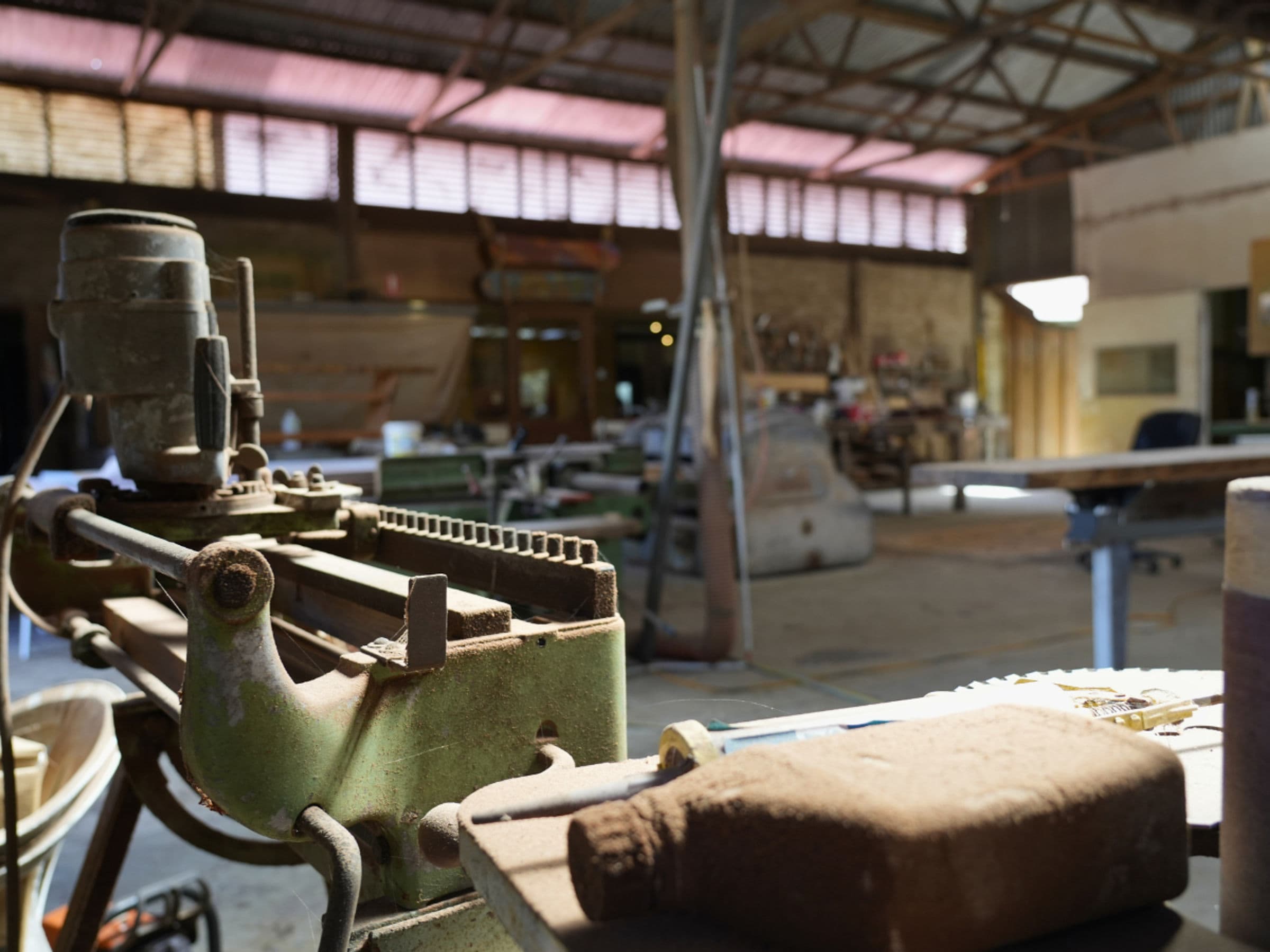
The workshop sits behind the gallery, separated by a viewing window. That window was not an afterthought. From the day we built it I wanted people to be able to watch. Most galleries hide the work. I wanted to show it. You walk in, you look at the pieces, you look through the window, and you see how the pieces happen. The process is the product.
The pieces
A few have become known. The Cone Table is the one I get asked about most. A solid jarrah top sitting on a conical marri base, designed so the cone reads as both base and sculpture. I made the first one in the mid-nineties and I've made variations of it ever since. The Parallel Universe table is the other: two parallel slabs of timber joined by hand-shaped steel, sitting at a deliberate slight offset so the eye reads two tables and one table simultaneously. Both pieces are in private homes around Australia and a few overseas.
The pieces aren't the point of this post. The point is that they came out of a lifetime of paying attention to the timber. Not designing first and finding wood to suit. Looking at the wood, reading what it wants to do, and designing toward that.
For the deep version of the timber question, the jarrah-versus-marri write-up is the question I'm asked more than any other. And how a dining table actually gets made is what actually happens between tree and finished piece.
What I think about wood
A piece of jarrah is a piece of country. The grain in a board is the record of the seasons that tree lived through: every drought, every wet winter, every fire that came close enough to slow it down without taking it. When you cut into an old slab of jarrah you're cutting into two or three hundred years of South West Western Australia.
That sounds a bit fancy when I read it back. But it's also literally true, and if you spend long enough at a bench you start to feel it as fact rather than poetry. The wood is the landscape compressed into a board.
This is why I've never been interested in working with timbers that haven't grown here. Other makers do beautiful things with American oak, with European walnut. I'm not against any of that. But the place I live in grows three of the great furniture timbers in the world (jarrah, marri, and tuart), and I'd be daft to look elsewhere when these are out the window.
The workshop is on Blythe Rd, Yallingup. Solid jarrah walls, southwest limestone, the bench behind a viewing window. We're open seven days, ten to five. Pam is usually at the front. If the workshop door is open, I'm in the back.
2009: opening the doors
In 2009 Pam and I expanded our gallery to bring in some of the other makers around here. Alan Fox blowing glass. Julia Carter painting. Dylan Fox shooting photographs. Painter Elani. We'd been watching what they were doing for years. The gallery was always going to be better with more than just my work in it.
That decision was, I think, the most important one we've made commercially since 1988. Not because of the economics, though it has helped, but because of what it did to the conversation in the space. People come in for one thing and find five. People who collect glass leave thinking about timber. People who collect photographs end up sitting at a jarrah table. The makers are different, but the values are the same: slow work, local material, attention paid to things that don't have shortcuts.
For more on how that creative community works in this corner of the region, the Margaret River Region Open Studios trail runs every September and most of us open up more formally then. And a gallery day, self-driven is the longer version of how to spend a day with it.
Now
Pam runs the front of our gallery. She's the curator, she's the front of house, she's the reason people walk out of here understanding what they've just bought. I tend to stay in the workshop. Pam is the half of this operation that makes the other half possible. She'll catch what I miss — which visitors want to be left alone, which ones want to talk for an hour, which one has been thinking about a commission for three years and just needs someone to ask the right question. She asks it. I'm usually still measuring something.
I also distribute Cattlean Italia in Western Australia, an Italian family furniture maker whose work I came across years ago and immediately respected. Different timbers, different aesthetic, same values. It surprises some people that I do that. But good work is good work, and you recognise it when you see it, regardless of postcode.
Our gallery has a five-star rating on John Streater Fine Furniture on TripAdvisor. I mention that not to boast but because every one of those reviews is from someone who walked in, watched, talked, and walked out with a piece of the conversation. That's the whole point.
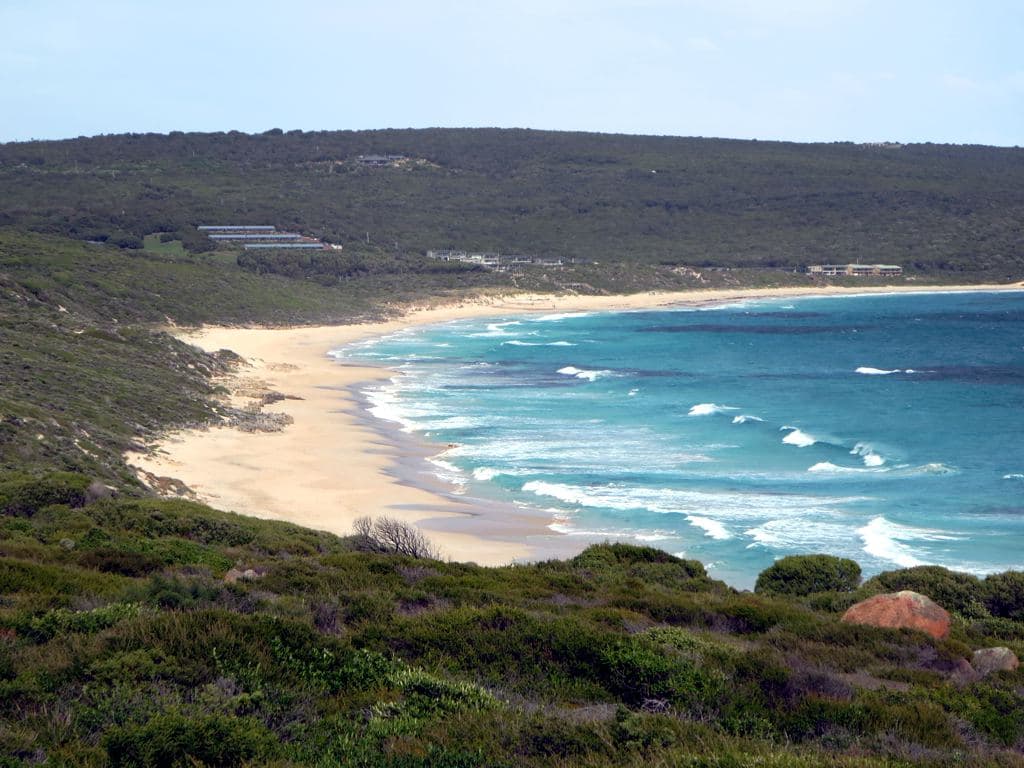
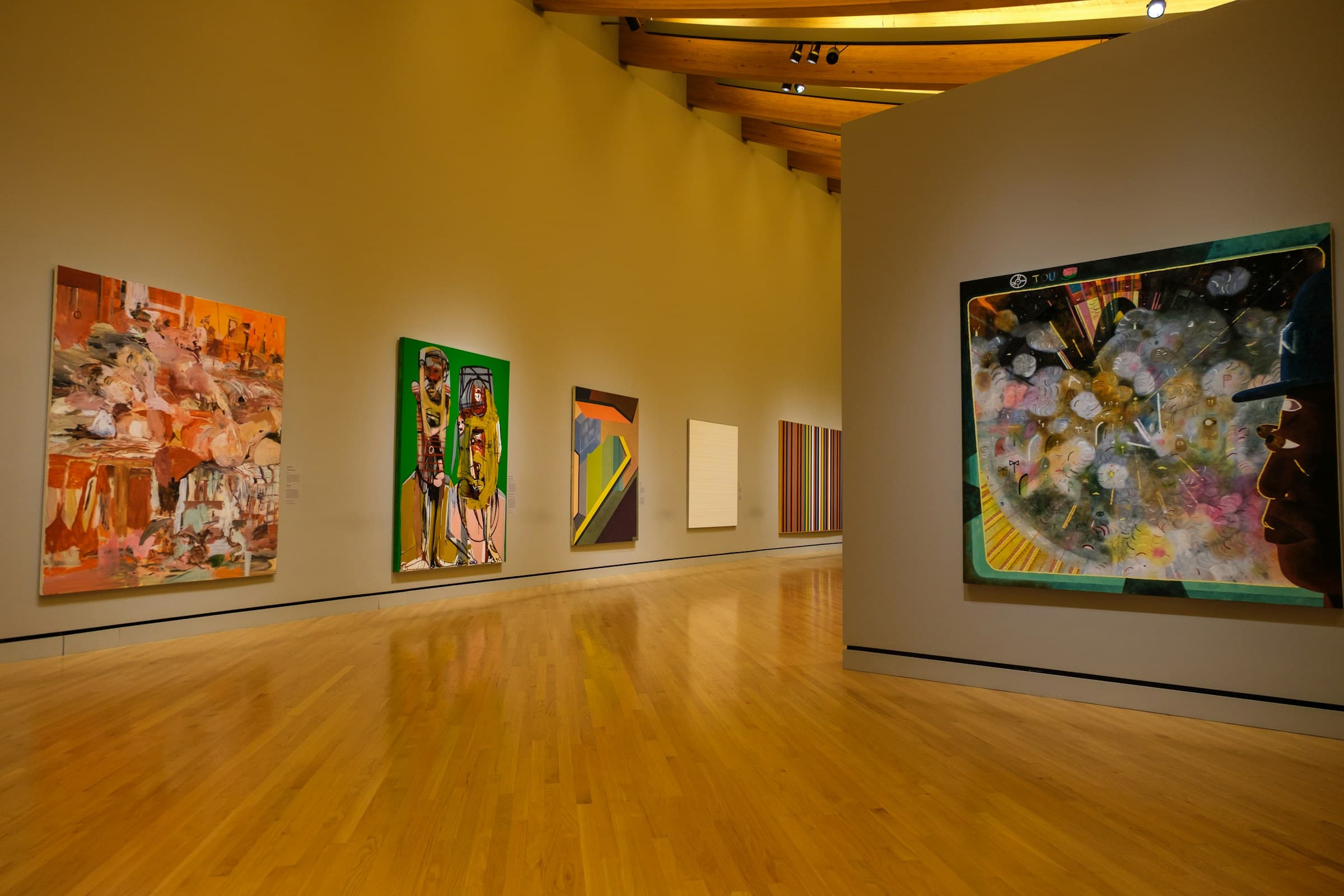
Photo: David Stanley, CC BY 2.0 · via Wikimedia Commons
What forty years makes
People sometimes ask me whether I'd do anything differently. The honest answer is no. Not because there haven't been hard years. There have. But because the through-line has been the same since 1982. Wake up. Walk to the workshop. Work the timber. Talk to whoever walks in. Walk down to the beach when the day's done.
You can read more about that life in forty years on Blythe Road, the longer reflection on what four decades on one road actually makes of a person. For the Margaret River Region arts and craft broader picture, the regional tourism site has good background on what else is happening here.
Plan your visit to Yallingup.
Directions & hours →