[Timber]
How to Commission a Custom Dining Table in WA: Step-by-Step
A commission isn't a transaction. It's a six-month conversation that ends with a table. Here's how the process actually works, what it costs, and what to expect.
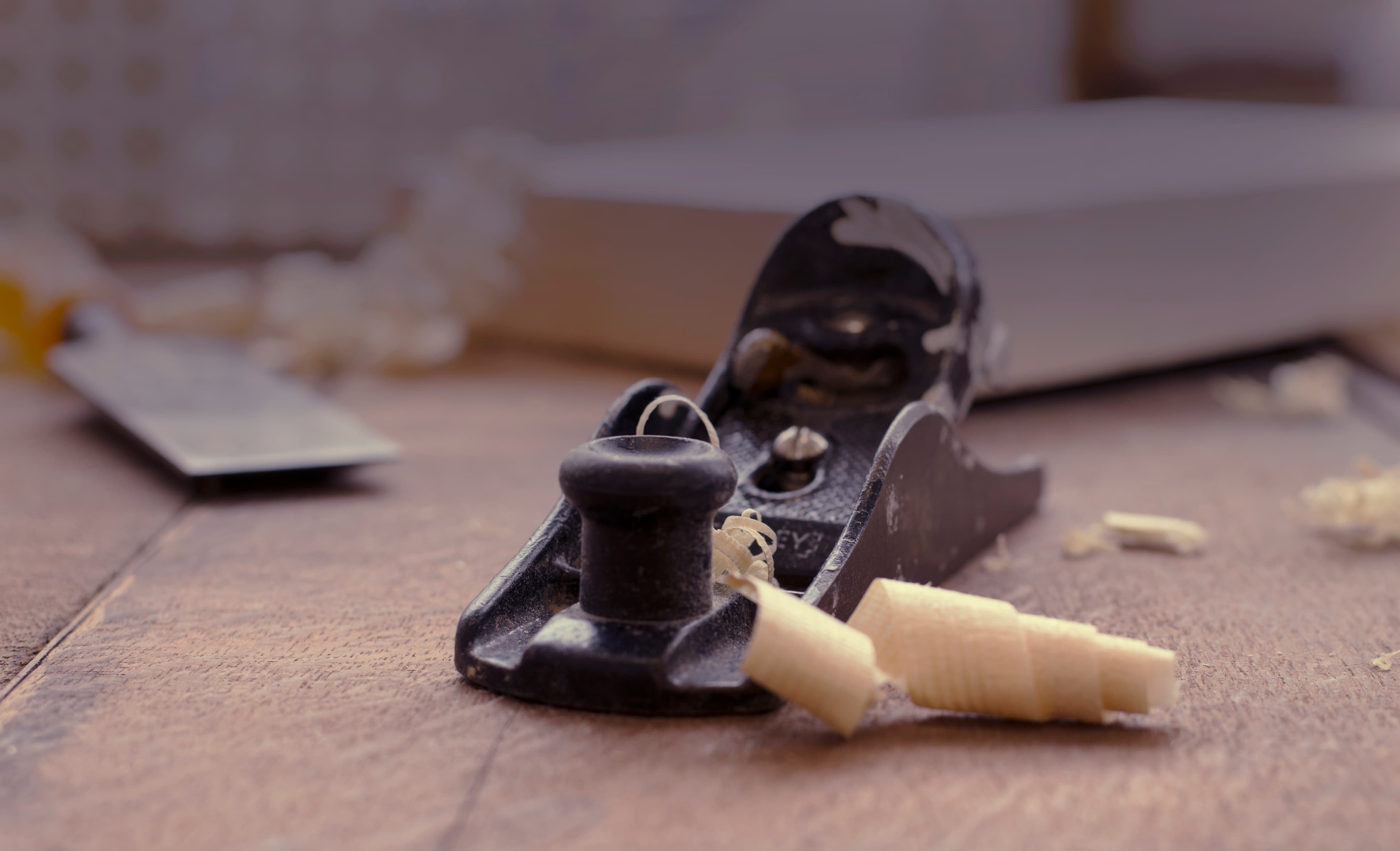
A commission starts with a conversation, not a form. The form comes later. What I need first is to understand how you live.
Pam and I have been making furniture in Yallingup since 1982. Most of what I make these days is commissioned. A client wants something specific, we work it out together, and six months later they own a piece that wasn't on anyone's catalogue. I'm going to walk you through exactly how that process runs, because the question we get more than any other is "How does it work?" And the honest answer doesn't fit on a postcard.
Step 1: The conversation
You come to the workshop. Or you email me with photographs of your room. Or both. Either way, the first thing I want to know isn't the dimensions. It's how you eat.
Do you sit for two hours after dinner? Do the kids do homework on the table? Are there grandparents who need elbow room because their hands aren't what they used to be? Is this a table you put a tablecloth on for Christmas and then never again? Is there a particular chair you already love that I have to work around?
These questions sound soft, but they decide everything else. A table built for a family who lingers needs a different proportion to a table built for a couple who eats and goes. A table built for people who use it as a work surface needs a finish I'd never apply to a piece intended only for meals.
Then I ask about the room. Where does the light come from? What's the floor? What other timber is in the space? Is there a rug that's staying or going? I don't need photos for everything but I do need to be able to see the space in my head.
Pam is usually around for this part. She'll ask what I don't think to ask: whether there's a view you're eating towards, or how loud the room gets at Christmas. I tend to stay on dimensions. She doesn't.
Last, the practical dimensions. Length and width matter. So does the doorway you'll have to bring the finished piece through. So does the ceiling. I once made a piece I couldn't get into the client's apartment because nobody had checked the lift.
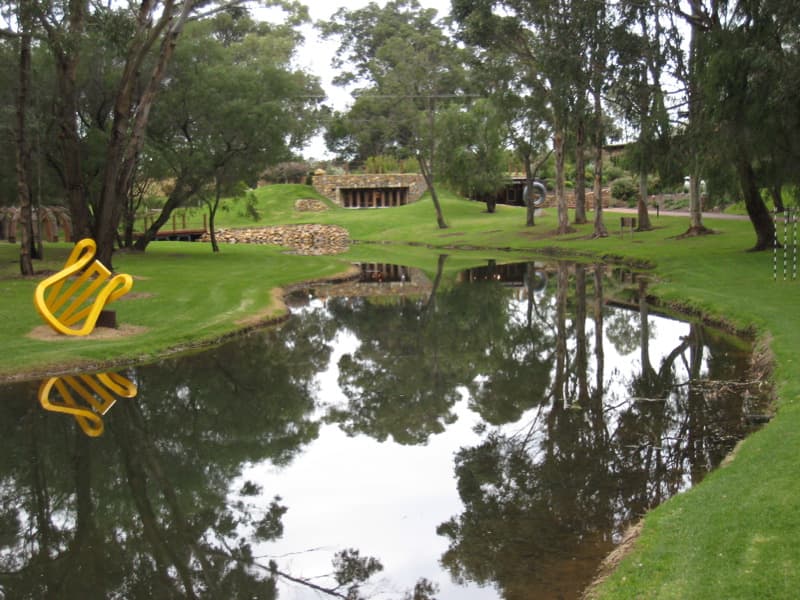
Photo: Vasse Felix, CC BY-SA 2.0 · via Wikimedia Commons
Step 2: The timber
Once I understand the brief, we choose the wood.
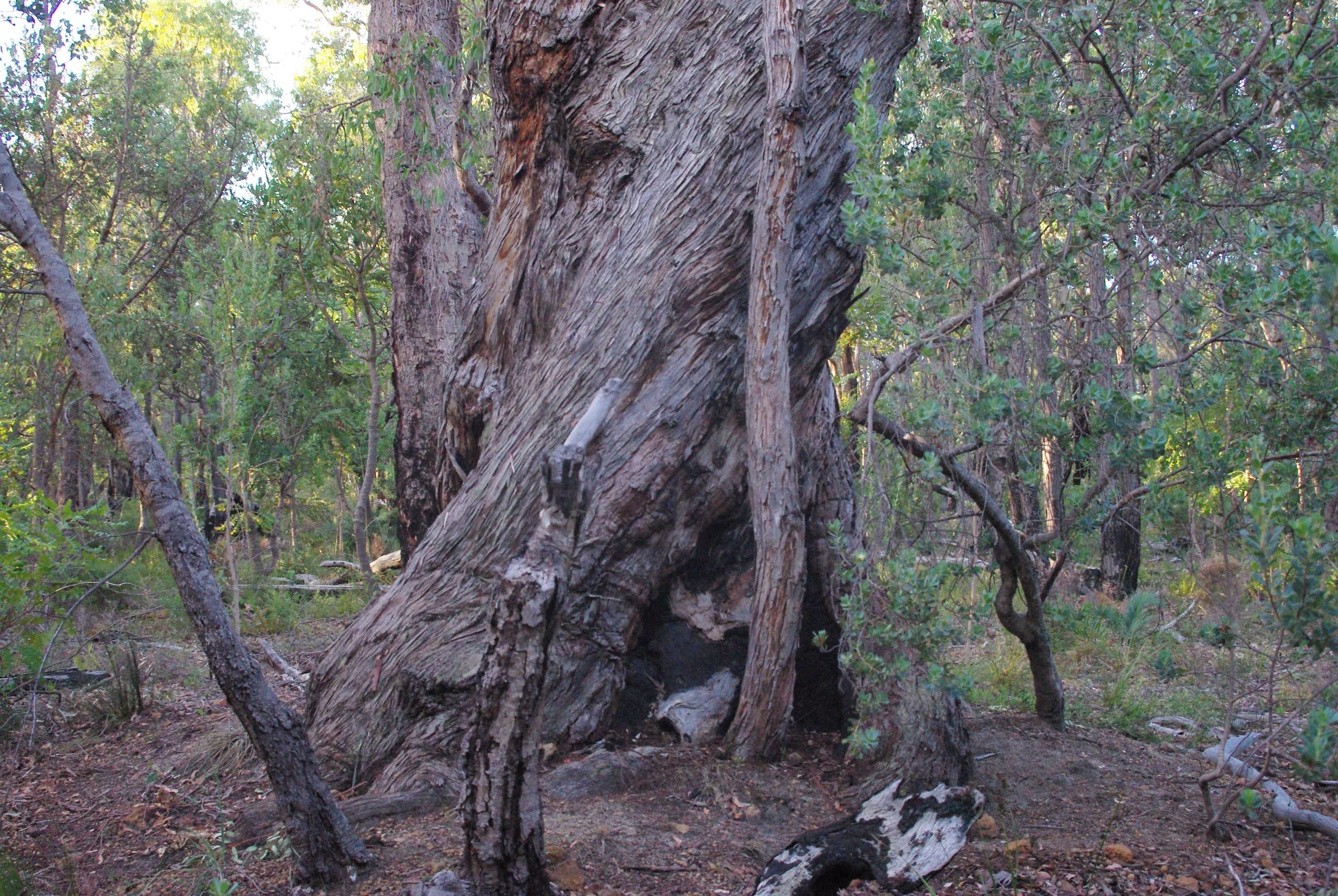
My jarrah and marri compared piece has the short version of this. Jarrah for weight, daily wear, and that deep red-brown that ages into a kind of settled chestnut over thirty years. Marri for lighter, more open pieces where you want the timber to lift the room rather than weigh it down. Sheoak occasionally for character. Blackbutt sometimes for outdoor work, though rarely for dining tables.
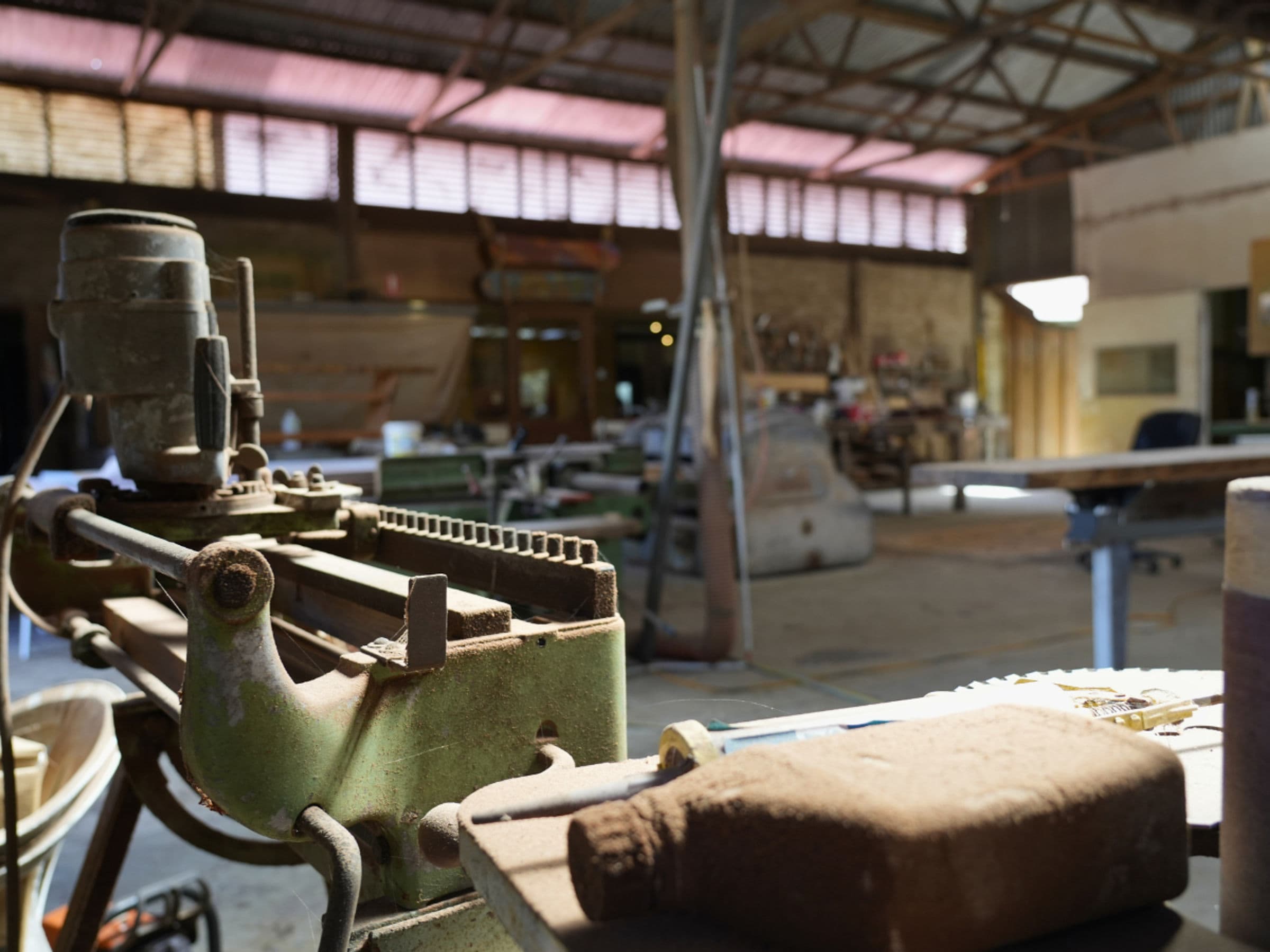
When we get to this stage, I bring you into the timber shed. I keep stock in there: recycled jarrah from old buildings, marri from sustainable cuts, slabs that have been air-drying for years waiting for the right project. Most clients have never put their hand on raw, unfinished timber. They expect it to look like furniture. It doesn't. It looks like a piece of a tree.
Sometimes a particular slab decides the design. I've had a marri slab sitting in the shed for four years that I knew would be the right thing for someone. I just hadn't met them yet. When the right client walked in, she put her hand on it and said "that one." We worked the design out around it.
Other times the design comes first and we look for timber to suit. Either way, the timber gets chosen with you in the room, not from a catalogue.
Step 3: The design
Now we sketch.
This is the part I enjoy most. I'm not a digital designer. I work in pencil first, on butcher's paper or in a notebook. I'll do four or five quick studies of where the piece could go, then narrow down to the one or two that work for your brief. We talk about edges (live edge, square edge, breadboard ends, bevelled), legs (turned, square, splayed, trestle, single pedestal), and proportion.
The proportion is the thing most non-makers don't realise matters. A table that's two centimetres too tall feels wrong forever. A leg that's a centimetre too narrow looks unstable even if it isn't. There's a reason a well-designed table feels right when you sit at it. Somebody thought about every dimension.
I'll send you a final drawing, often with watercolour washes to give you a sense of how the timber will read in the finish. Some clients want detailed CAD-style renders. I can have those done if it matters, but since 1982 the pencil sketch and a sample of the timber has been enough to know what you're getting.
We agree the design. I take a 30% deposit. Then I start work.
Step 4: The timeline, honestly
This is the part where I lose some clients, and that's fine.
A custom dining table takes three to six months from the day we agree the design. Sometimes longer. Never shorter.
The reasons:
The timber has to be the right moisture content before I cut it. If it's not, I'll rest it in the workshop for as long as needed. I once held a client's slab for eight months before I started work on it because it wasn't ready. They were patient. The piece is now in their dining room and it will be in their grandchildren's dining room.
The joinery takes time. Hand-cut joinery, dominoes, mortise and tenon: all of it is slower than a screwed-together piece. I might spend a week just on the joinery for a single table.
The finishing takes longer. Multiple coats of oil, light sanding between each, time for each coat to penetrate. A rushed finish is the easiest way to ruin a piece.
And I only work on one major commission at a time. I might have three or four projects on the go in the workshop, but only one of them gets my full attention in a given week. That's how I work. It's slower, but it's the only way I know.
If you need a table by Christmas and it's June, we'd better start now. If it's October, talk to us about a piece already in the gallery.
I once held a client's slab for eight months before I started work on it because it wasn't ready. They were patient. The piece is now in their dining room and it will be in their grandchildren's dining room.
Photo: Stuart Sevastos, CC BY 2.0 · via Wikimedia Commons
Step 5: Delivery
Most pieces I deliver myself. Perth is a day trip. Further afield (east coast, occasionally overseas) we use a specialist furniture carrier.
I'll bring the table into the room, place it where we agreed, and walk you through how to look after it. I'll bring a small kit: a soft cloth, a tin of the oil I used for the finish, written care instructions. Most clients want to know how to deal with the first wine spill before I leave.
The other 70% of the commission cost is paid on delivery. Not before. If you don't love it, we have a conversation. In forty years I've had three pieces come back, and two of those I bought back because I wanted to keep them.
Step 6: Looking after it
A solid hardwood table is not difficult to look after. It's just not the same as a laminate.
Wipe spills when they happen. Don't put a hot pan directly on the timber. Use a board or a mat. Don't use commercial polishes; they leave a film that builds up and goes cloudy. Once a year, oil the surface. I'll show you how. Twenty minutes' work. A piece looked after this way will outlast everyone in this conversation.
If something goes wrong — a deep scratch, a water mark that won't lift, damage from a house move — bring it back. I can refurbish. The piece doesn't have to be perfect to be heirloom, but if something's bothering you, it can usually be fixed.
What it costs
I get this question by email more than any other, so let me be straightforward.
A solid hardwood dining table built to last, custom-designed and made by hand in Yallingup, will sit somewhere between $8,000 and $25,000 depending on size, timber, and complexity. That's a wide range because the spread of what people want is wide.
The high end is reserved for large slab tables (3 metres plus), highly figured timber, or designs with detailed joinery: a trestle base with carved detail, an inlay, a double-pedestal with mechanical extension. The low end is a straightforward four-leg table in jarrah or marri, around 2 metres long, with sensible joinery.
That sounds like a lot if you've been looking at flat-pack pricing. It's not, when you compare like with like. A well-known mid-tier maker in Perth will charge similar money for a piece that's CNC-cut and assembled by a team. A maker in Europe doing similar work charges twice as much again. What you're paying for here is hand-cut joinery, local timber, my full attention for the period the piece is being made, and a relationship with the maker that doesn't end when the piece is delivered.
If $8,000 isn't where you want to be, say so. Sometimes I can build something simpler that meets your need. Sometimes I'll be honest and suggest you look at one of my colleagues who does smaller-scale work. Both options are real.
Who commissions a table
Mostly people in their forties or fifties who've finally bought the house they're going to stay in. Families who want a piece that'll see their kids grow up and then come back at Christmas. Occasionally a young couple who'd rather save for one good piece than buy three cheap ones.
Sometimes a retirement gift, or a wedding gift, or a piece commissioned by adult children for a parent. Somebody saying, in effect, "you've worked hard, here's something that'll be in your house for the rest of your life." Pam usually gets the whole story out of them. I get the dimensions.
gifts that outlast the occasion
International clients too. We've shipped pieces to Singapore, the UK, the US. The Cattlean Italia distributorship I hold for WA means I see Italian work coming the other way, and what strikes me is that Italian and Australian craftspeople share more than they realise. We both believe a piece of furniture should last fifty years. We both think the timber is half the conversation.
For more on the WA furniture makers and craftspeople working at this level, there are good ones around here. I'd rather you go to a different maker than buy something disposable.
How to start
The best way to start is to come to the workshop. Look at what's been made. Handle the pieces. Then we talk. Blythe Rd, Yallingup. Google Maps sometimes misdirects via Wildwood Rd, so stay on Bussell Hwy, turn at the Carbunup store, then Blythe Rd. The flag's out front when we're open. Pam will meet you at the door. I'll be in the workshop, through the viewing window.
If you can't come in person, email me with photographs of your room, rough dimensions, and a description of how you live. That's enough to start a conversation. We can do a lot remotely now: sketches by email, video calls, samples sent in the post.
Photo: Michelle Corcoran, CC BY-SA 4.0 · via Wikimedia Commons
meet the maker behind the bench
A table I made in 1985 came back to me last year for a re-oil. The family who owns it was the second family. The original couple's kids inherited it when their parents downsized. I oiled it, sent it home, and thought about that for the rest of the afternoon.
That's why we do this. Not because anyone needs a custom table. Because a good one outlives the conversation that made it.
Plan your visit to Yallingup.
Directions & hours →