[Region]
The Aquarium Yallingup
The reef at the western end of Yallingup main beach is a snorkel spot the surfers have known about for decades. On a calm day it's the best free hour in the cluster.
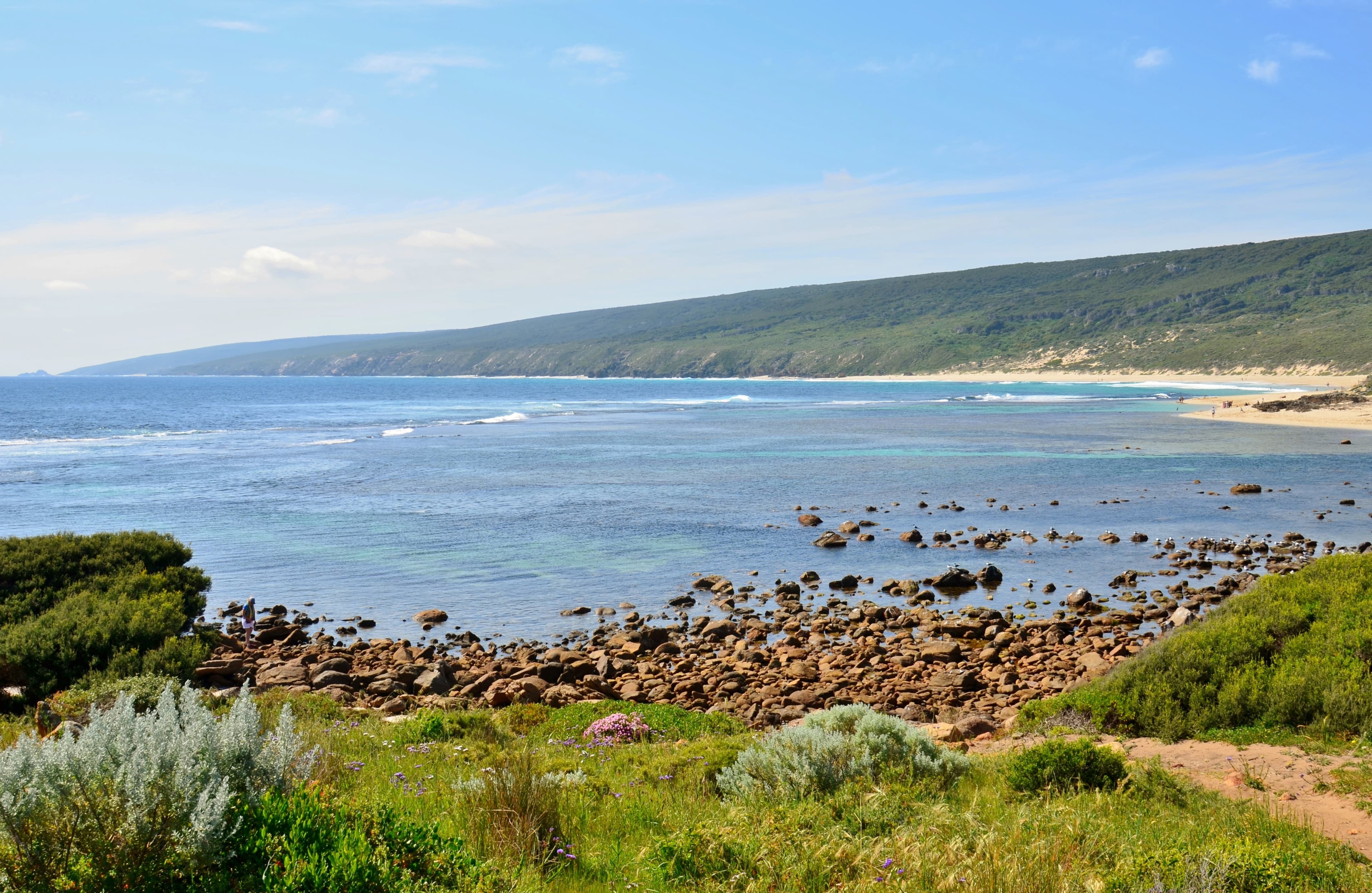
It's called the Aquarium. Most people who don't surf walk straight past it on the way to the main break. The ones who know bring a mask.
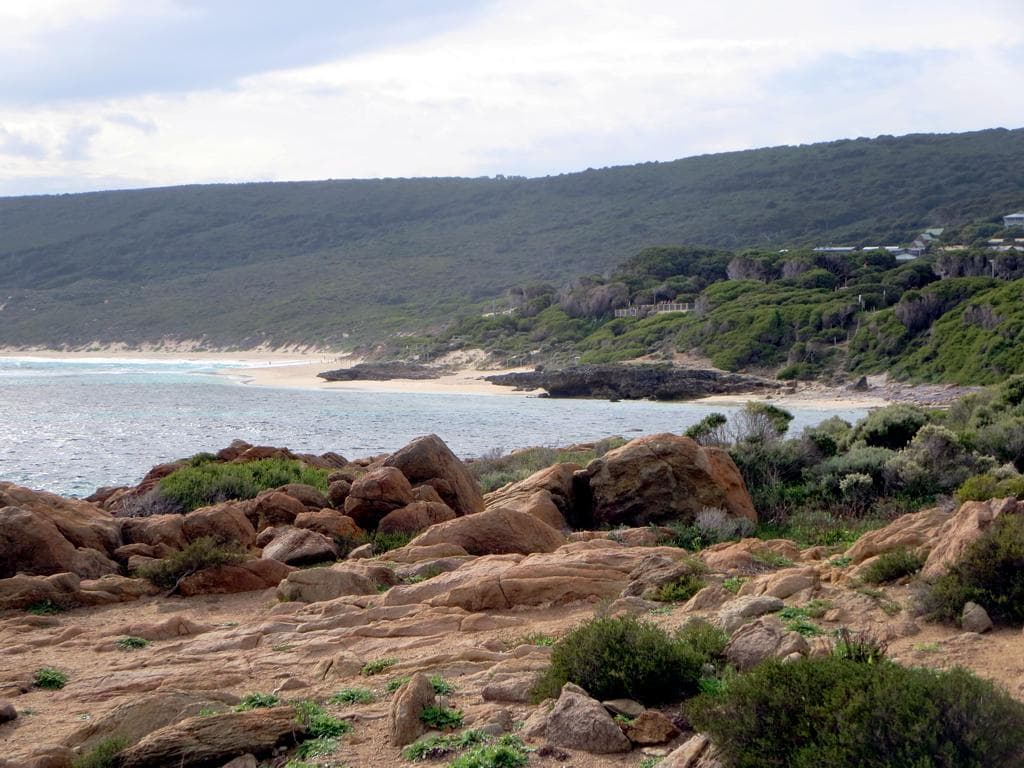
Photo: David Stanley, CC BY 2.0 · via Wikimedia Commons
The Aquarium is what the locals call a section of the reef at Yallingup main beach. Not the open ocean side where the surf wave breaks, but the inside: the lee side of the reef where the water is sheltered, clear, and full of fish. It sits at the southern end of the reef, opposite the lagoon at the north, and on a calm day with a small swell it's one of the better snorkel spots between here and the Abrolhos.
I am not a snorkeller of any standing. I've held my breath underwater in the same way most people have. But I've watched dozens of competent snorkellers come up out of the Aquarium with the look people have after seeing something genuinely good, and I've taken visiting kids in there often enough to know the place works.
Here's the run-down.
What it is
The Yallingup reef sits roughly three hundred metres offshore at the main beach. On the ocean side, the surf wave breaks across the outer edge. That's the Yallingup surf break, the wave the village built its surfing reputation on. On the inside, the reef drops back down into a deeper channel and then rises again in patches.
The Aquarium is the section of inside reef at the southern end, opposite the main carpark. The reef there is broken up into bommies and channels with sandy floor between them. Depth on a calm day is between one and four metres, with sandier patches shallower and deeper drop-offs around the bommies. The reef itself is limestone with coral colonisation in patches, and it holds a lot of life because the surf is breaking out the back protecting it.
It's not a marked or signposted spot. There's no sign saying "Aquarium." You find it by knowing roughly where it is.
How to find it
Park at the main Yallingup Beach carpark. From the steps down to the sand, walk south (left as you face the water) along the beach for about a hundred and fifty metres. You'll see the rocks at the southern headland on your left. The water immediately in front of those rocks, going out about thirty metres from shore, is where the inside of the reef sits closest in.
Walk in from there. Reef shoes are useful — the entry is rocky and there are urchin spines if you stand on the wrong thing. Once you're past the first three or four metres of rock you're in the sandy channel and you can put your mask down.
On a calm day with a small swell, the water in the channel will be glassy. On a bigger day there'll be surge and the visibility drops. If the swell is bigger than about a metre and a half, don't go. The surge over the reef gets dangerous and visibility goes to nothing.
What's underwater
This is where the place earns the name.
In the sandy channels: small wrasse, leatherjackets, the occasional ray cruising the bottom, sometimes a small octopus hiding in a hole. The bommies hold the bigger life — boxfish, schooling silver bream, occasional bullseyes in the darker overhangs, sea cucumbers on the sand. The reef edge facing the channel often has a colony of small fish (cardinals, hardy heads) that move as one when you swim past.
Two things to look for that aren't obvious:
- Sea hares on the sand. Slow, soft, harmless. They look like nothing until they move. Don't touch — they release ink and stress easily.
- Octopus in the limestone holes. The reef has a lot of holes the right size for a small octopus and there's usually one home if you watch a particular hole for thirty seconds without moving.
I've heard of bigger things. Rays, the occasional decent-sized fish, once a wobbegong shark on the deeper side of the reef. Most days you'll see small life, lots of it, in clear water.
The water temperature tracks the open ocean: 21°C in summer, down to 16°C in winter. Wetsuit useful from May to October. In summer you'll be fine in board shorts for half an hour, longer if you don't mind getting cold.
When to go
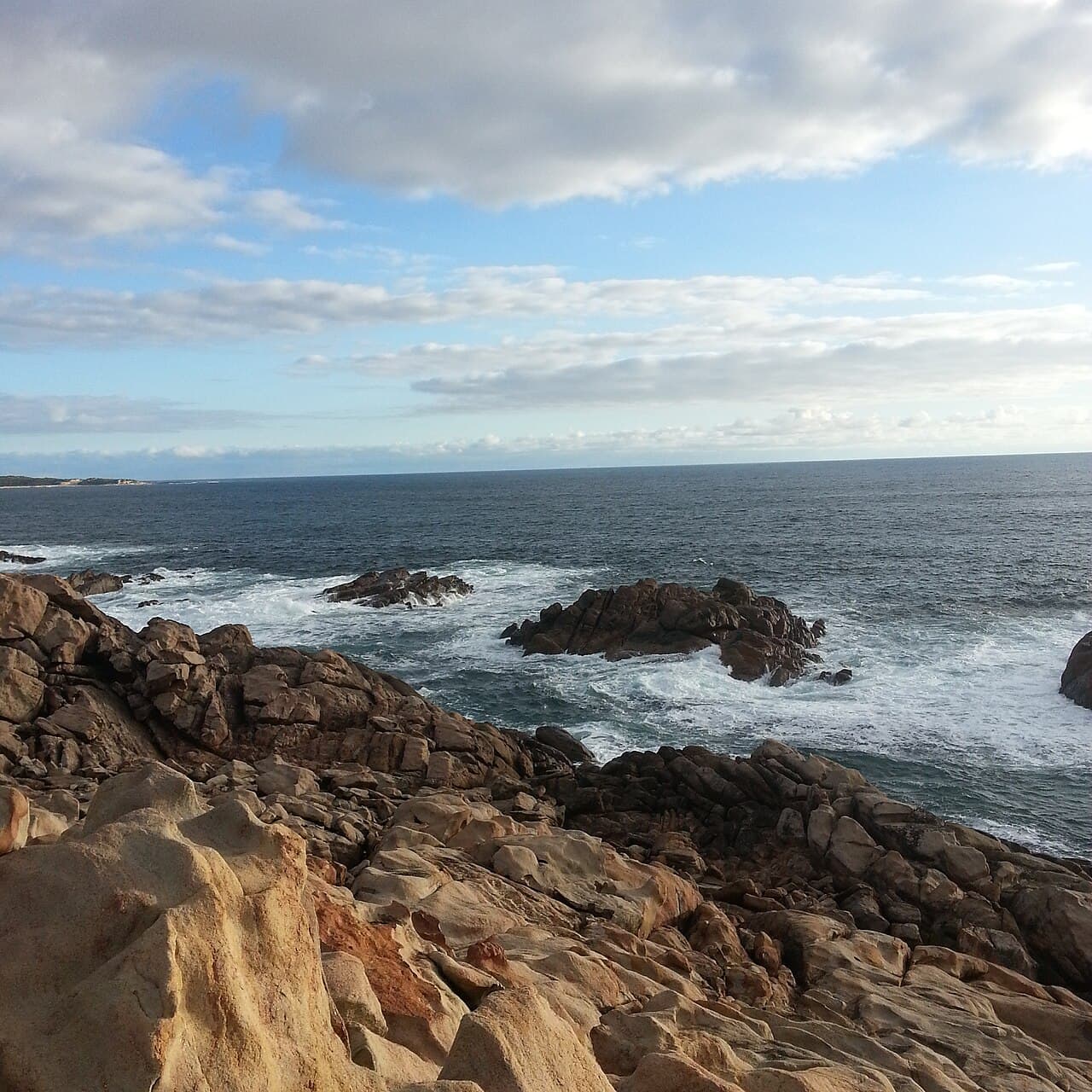
Photo: Lasthib, CC BY-SA 4.0 · via Wikimedia Commons
The right day:
- Small swell. Under a metre is ideal. Up to a metre and a half is workable. Above that, the surge over the reef makes the water cloudy and the entry dangerous.
- Light wind. Onshore wind chops up the surface and ruins visibility. Offshore wind makes everything flat and clear. Most calm mornings work; most windy afternoons don't.
- Mid-tide. Low tide makes the reef stick up too much. Full high tide gives you more depth but more surge. Half-tide to high is best.
- Sun. Visibility is much better with overhead sun. Mid-morning to mid-afternoon. The same conditions that make a place feel hot at the beach make the snorkel zone bright underwater.
The window that opens up most often: a calm summer or autumn morning, half-tide rising, light easterly wind. Those days happen often. Once a week through summer, easily.
After a few days of strong wind or big swell, give the water two or three calm days to clear up. Visibility comes back quickly.
Bureau of Meteorology tides for Busselton plus the Surf Life Saving WA daily report is what I'd check before driving out.
Who it's for
Confident swimmers: yes. You need to be able to swim out a hundred metres in the channel, handle a small amount of surge, and get yourself back to the rocks in a swell. If you can swim a kilometre comfortably, you'll be fine here.
Family snorkellers: maybe. Older kids (ten and up) who are comfortable in open water, fine. Younger kids, better off at the lagoon at the north end, which is shallower, gentler, and closer to the steps.
First-time snorkellers: not the best starting point. The reef has surge, the entry is rocky, and you need to be able to read the swell. Better to start in calmer water elsewhere (the lagoon, Meelup, Bunker Bay) and come to the Aquarium once you've got fifteen or twenty snorkels in.
Photographers (underwater): the place is good. Bring a polariser and shoot the surface as well as the depth. Late morning gives the best light through the water.
If you can swim a kilometre comfortably, you'll be fine here. If you can't, the lagoon at the north end is a better afternoon.
What to bring
- Mask, snorkel, fins. Fins matter at the Aquarium because you'll do more swimming than you do at a shore-entry sandy beach.
- A wetsuit or rashie depending on the season. Summer optional. Winter required.
- Reef shoes for the entry. The limestone is sharp.
- A waterproof bag for valuables. There's no kiosk and no locker.
- Water and a snack. The main beach carpark has no kiosk that opens early.
- A second person. Don't snorkel alone.
What to leave at home: anything you don't want wet, a single mask without fins (you'll regret it), and the assumption that you'll find it without asking. Most locals know exactly where it is and most non-locals can't see it. Ask at the bakery or the surf shop.
What's nearby
Photo: Lasthib, CC BY-SA 4.0 · via Wikimedia Commons
Within five minutes of the Aquarium:
- The Yallingup lagoon, the calm-water swim at the north end of the same beach. Good warm-down.
- The Cape to Cape walk south over the headland toward Smiths. Good view back over the reef from up high.
- The bakery (Yallingup Woodfired Bread). Bread sells out by 9am most weekends, so plan accordingly.
- Caves House Hotel for a pint after.
Within fifteen minutes:
- Canal Rocks, the granite channels and rock pools.
- Sugarloaf Rock, the basalt stack offshore north of the cape.
- The Injidup natural spa.
- The rock pools at Wyadup and around Canal Rocks.
A reasonable half-day: Aquarium first thing while the wind's calm, lagoon for the warm-down, bakery for the bread, drive five minutes north to Canal Rocks for the post-snorkel sit.
After the Aquarium, our gallery is seven minutes up Blythe Rd. If you've had a cold morning in the water, the workshop is warm and dry and the kettle is on.
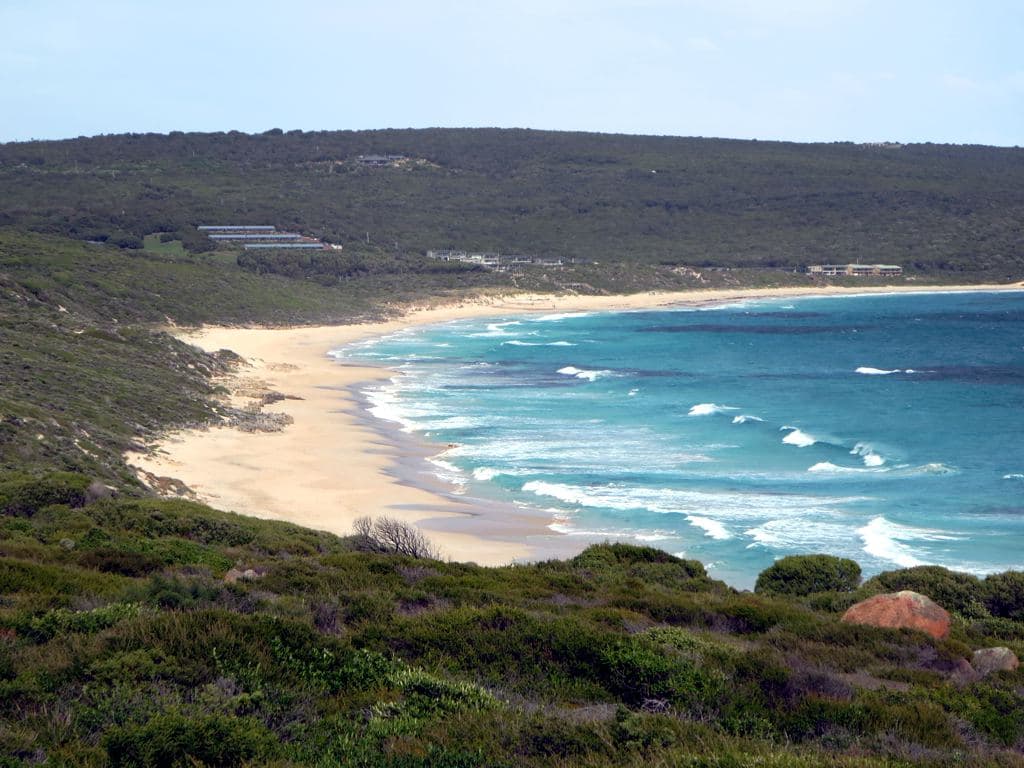
Photo: Sam Wilson, CC BY-SA 2.0 · via Wikimedia Commons
The Aquarium is one of those places that doesn't have a sign and doesn't ask for the traffic. The surfers know it because the same reef makes their wave. The snorkellers who've been told know it because someone took them on a good day. Everyone else walks past it.
That's the way the village would prefer it to stay, and I'm probably writing this against the local interest. So: small swell, half-tide, light wind, fins on, two people. Treat it well. The reef has been here since long before any of us, and it'll outlast all of the snorkellers if we leave it alone.
Read next: the Yallingup lagoon for the calmer cousin, the shore-based version at the rock pools, or the calm-day spa half an hour south. The wider beach guide sets the whole coast in one place.


Plan your visit to Yallingup.
Directions & hours →