[Region]
Rock Pools of the Margaret River Region
Past the Instagram-famous spa at Injidup, the granite holds half a dozen rock pools most visitors walk straight past. Where they are, and the tide rule that turns them on.
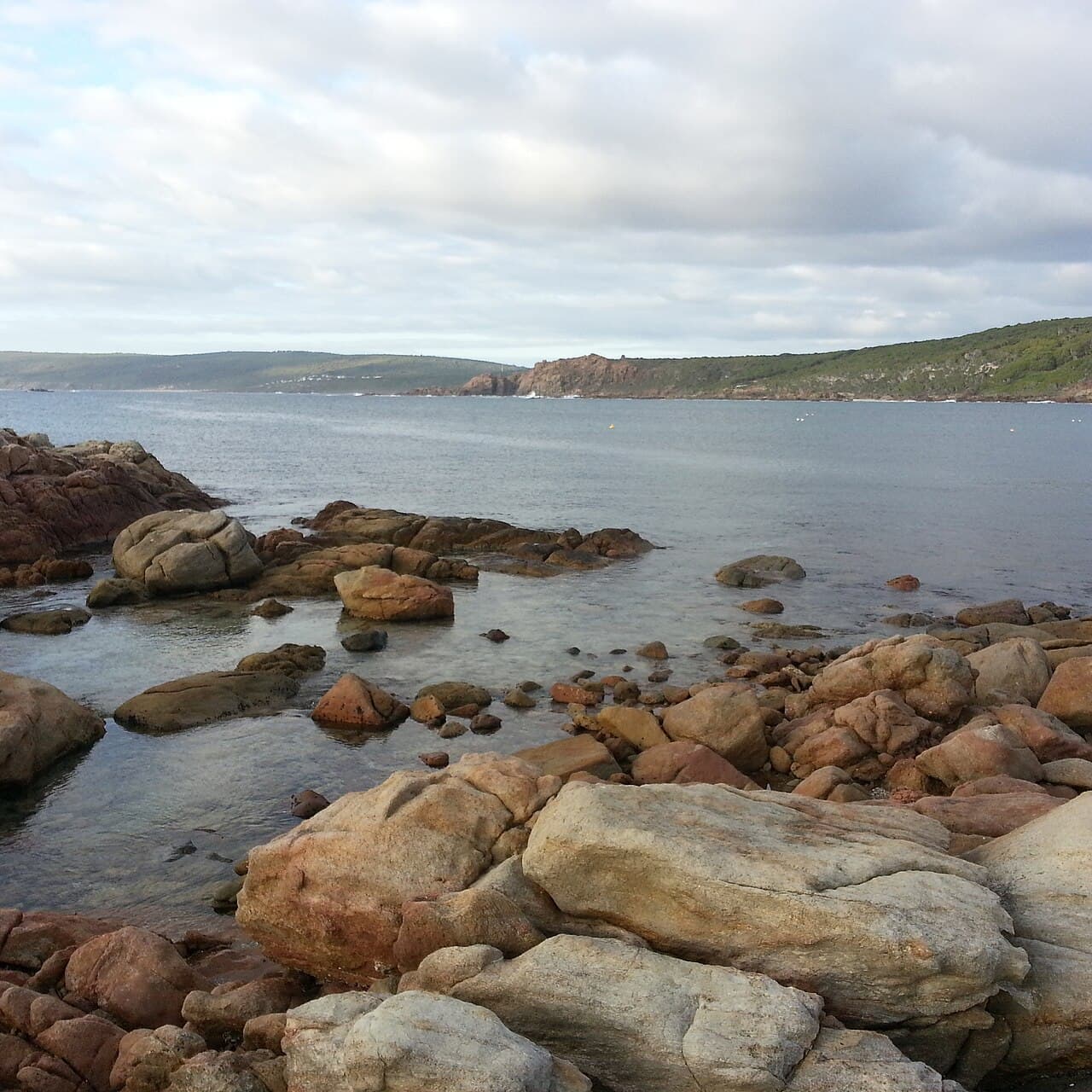
Injidup Natural Spa gets the Instagram traffic. But there are rock pools along this coastline that most people walk past without stopping. Here's where they are and when to go.
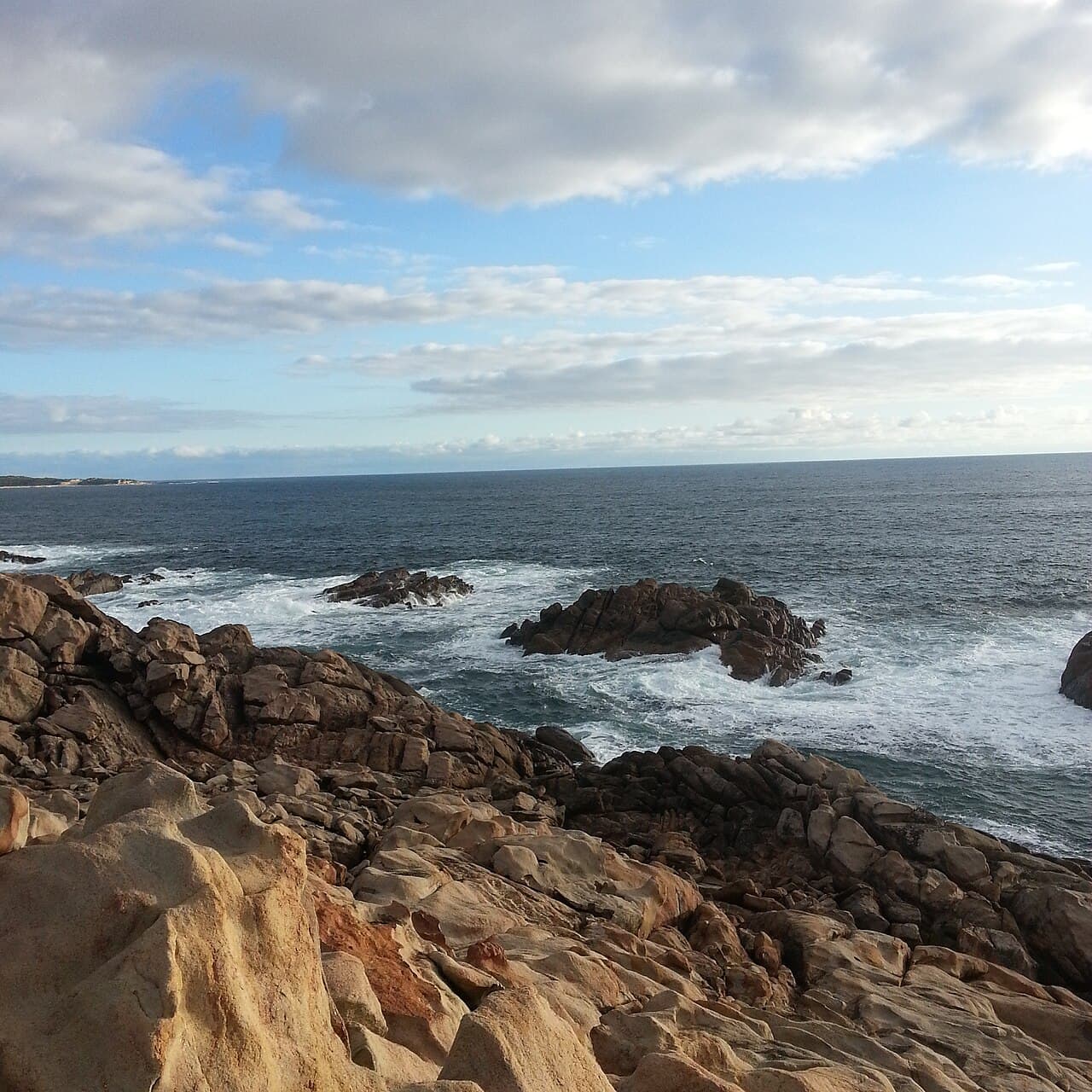
Photo: Lasthib, CC BY-SA 4.0 · via Wikimedia Commons
I've been working off Caves Road a long time, and the rock pools are one of the things I still take visiting friends to before anything else. Not the spa at Injidup. Everyone goes there. The smaller ones, the ones you find by walking a hundred metres further along the granite than the carparks expect you to.
Half of them are dry at high tide and half are dangerous in a swell. Get the tide and the wind right and they're the best free hour in the region.
Why rock pools here
The geology helps. The cape between Cape Naturaliste and Cape Leeuwin is mostly granite and limestone, both of which weather into bowls and basins better than basalt or sandstone do. Granite cracks along its grain, and a couple of hundred thousand years of ocean working those cracks gives you the channels and pools you can stand next to today. The limestone weathers differently (softer, more pitted, more like a sponge) and creates the shallower pools at places like Wyadup and Eagle Bay.
The Indian Ocean swell does the topping-up. Every high tide and every set wave throws fresh water over the lip, so the pools stay full and the temperature stays moderate. On a hot afternoon they're warmer than the open ocean. On a cool morning they're cooler. Either way, the water is clear because there's no river silt feeding into them.
Injidup Natural Spa
The famous one. South of Smiths Beach, north of Injidup beach, at the bottom of a five-minute scramble down through coastal heath. The spa itself is a saltwater pool carved into the granite, big enough for six or eight adults, and on a mid-tide with a small swell each wave bubbles in through a channel under the lip and turns the pool into something halfway between a hot tub and a spa.
Mid-tide is the window. Full high tide pushes too much water in and washes you straight out the side. Dead low tide drains the channel and the spa just sits there flat. Two hours either side of mid is the rule. A small swell makes it work. A big swell makes it dangerous. People have been pulled out and over the lip onto the granite below, and there have been fatalities. Don't go on a big day. You'll know it's too big when you can hear the water on the rocks from the carpark.
The longer take on the spa covers parking, the approach, and the photo angles.
Calm day, mid-tide. That's all there is to remember.
Moses Rock
Half an hour south of Yallingup, signposted off Caves Road. The track in is rough (better in a high-clearance car) and the scramble down to the rocks puts most people off. That's the point. Almost nobody goes.
The pools at Moses sit on a limestone shelf that drops away into deeper water beyond. At low tide you've got half a dozen shallow pools (knee-deep, sometimes waist-deep) sitting in the shelf, sun-warmed, often full of small fish and sea hares and the occasional octopus if you stay still long enough. The biggest of the pools is about three metres across and you can sit in it.
The hazard at Moses is the swell hitting the shelf you're standing on. The pools sit maybe two metres above the line of the breaking water and a king wave will come over the top of them. Watch for ten minutes before you commit. If you see a wave reach the back of the pools while you're watching, leave. Most days that won't happen. Some days it will, and those are the days to be elsewhere.
Best on a small swell, low tide, hot afternoon. You'll have it to yourself.
Canal Rocks
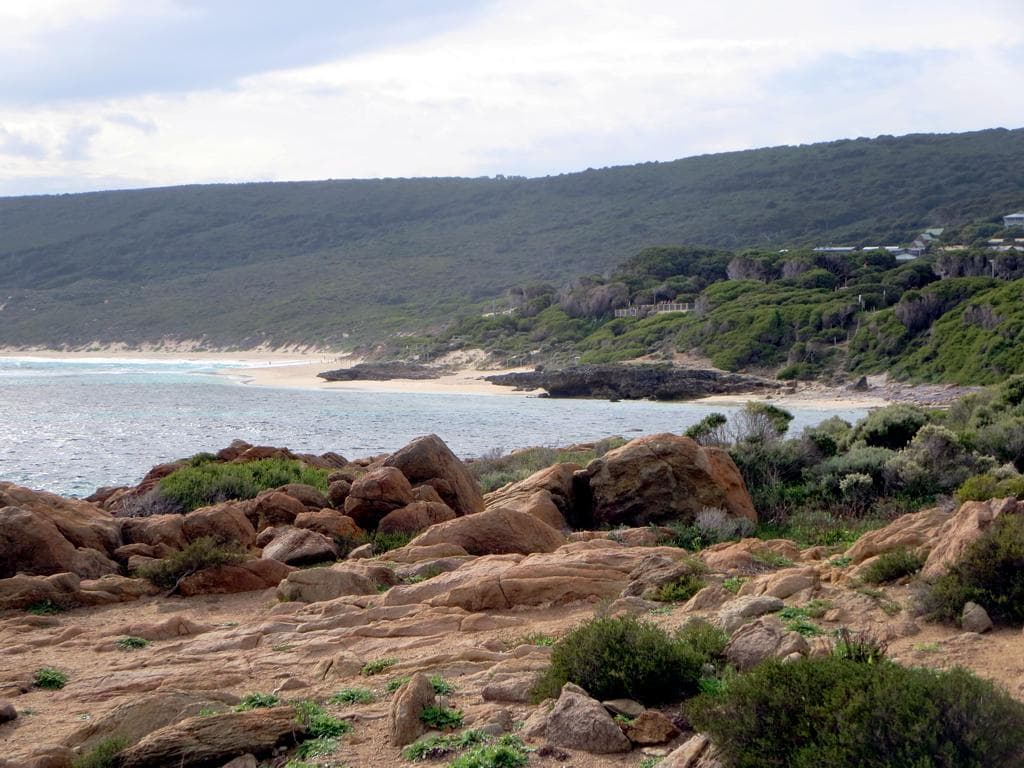
Photo: David Stanley, CC BY 2.0 · via Wikimedia Commons
Canal Rocks is more famous for the channels than the pools, but if you walk south of the main bridge along the granite shelf for a hundred and fifty metres, you'll find a series of shallow rock pools sitting up on the higher platform. They're cleaner than the spa, smaller than the ones at Moses, and they're sit-down pools rather than swim pools. Three of them are deep enough to lie back in. The rest are foot-deep and full of small life if you look.
The big plus at Canal Rocks is the carpark. Two minutes' walk to the bridge, another five to the pools. You can take small children if you stay on the upper shelf. Same king-wave warning as Moses — don't go down to the channel side on a big day — but the upper pools are well above the waterline and safe in most conditions.
The broader piece on Canal Rocks at sunset puts the place in context.
Twenty minutes north of the workshop on Blythe Rd.
Meelup and Eagle Bay
The northern beaches are a different category of rock pool. North-facing, sheltered, much smaller surf, and the pools are gentler.
At Meelup, walk to the eastern end of the beach. The granite outcrops there hold pools that catch the morning sun and warm up by mid-morning. Kids love them. Tide isn't a major factor because the surf is so small. The pools fill at high and stay reasonable at low. Snorkelling in the slightly deeper pools just off the rocks is some of the easiest in the region.
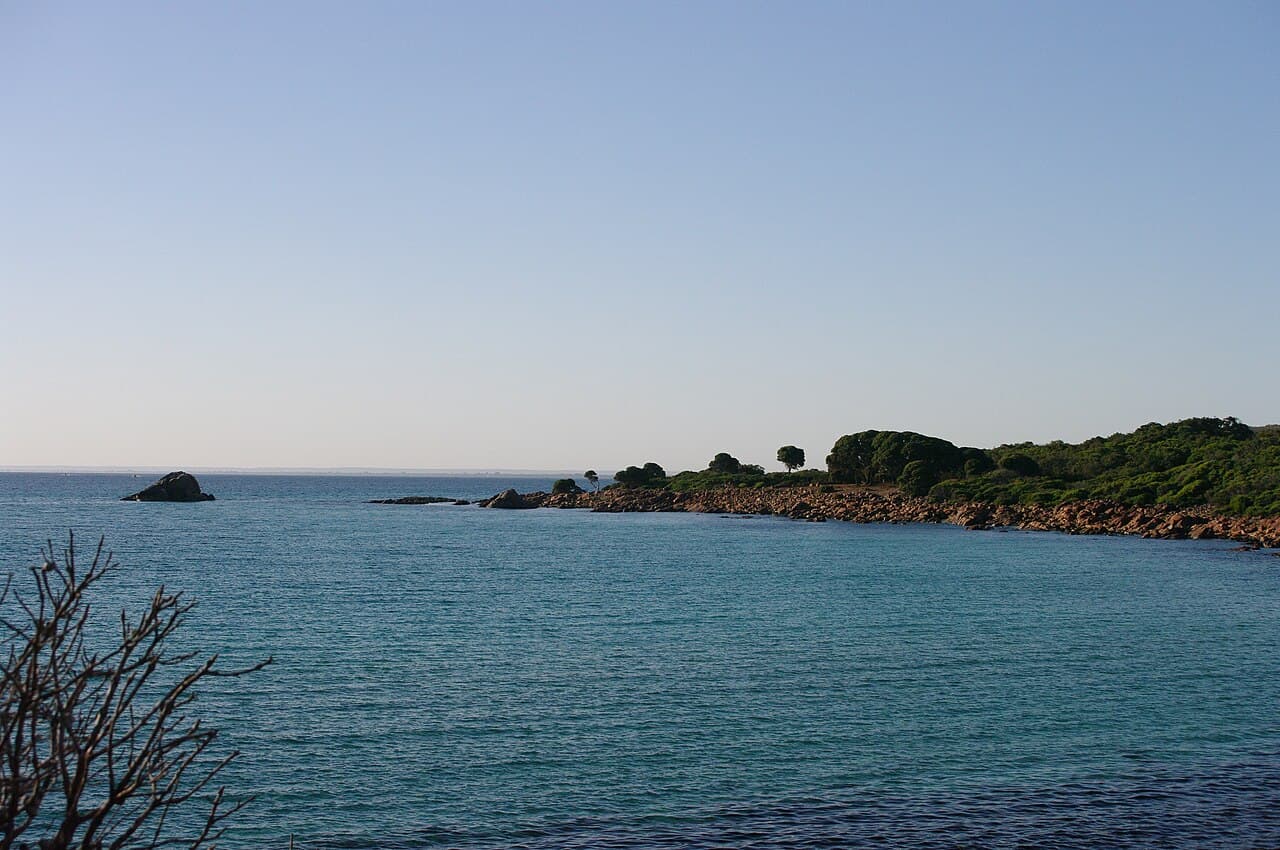
Photo: Western Australian Government, CC BY 2.5 AU · via Wikimedia Commons
Eagle Bay's pools are even smaller and shallower but they sit just off the swimming end of the beach, which means a kid can paddle out to them in arm-deep water and you can sit on the sand watching from twenty metres back. Less dramatic, but the gentlest introduction to rock pools you'll find on this coast.
If you've got kids under five, this is where I'd start. Meelup first, then Canal Rocks once they're old enough to be told twice and listen the first time.
John's tide rule
After forty years of looking at this coast, the rule I've worked out is simpler than it sounds: mid-tide on the way out is the best window.
The reasons:
- Mid-tide gives you enough water in the pools to swim or sit in.
- The way out means the next two hours are quieter: fewer king waves, less spray, more time on the granite before you have to leave.
- The water in the pools at mid-going-out has just had a full high tide cycle through it. Clean.
- At dead low tide the pools are too low and you can see down into them better but you can't get in.
- At dead high tide the spray is too much.
Pull up the Bureau of Meteorology tides page for Busselton or Margaret River Mouth before you set out. Add 20 to 40 minutes for the precise spot you're heading to. Canal Rocks runs a touch behind Busselton, Injidup runs ahead. Aim for mid-tide on the way out, ideally an hour or two after high.
The other rule: a calm day. Onshore wind under 15 knots, swell under 1.5 metres. Above that, pick a different activity. The rock pools will still be there tomorrow.
Mid-tide on the way out, calm day. That's the window. Above 1.5 metres of swell, pick a different activity — the pools will still be there tomorrow.
What's actually in the pools
This is the part most visitors don't get to because they don't stay still long enough.
Sit on the edge for five minutes without moving. The pool you thought was empty starts to wake up. Crabs come out of the holes in the side. Small fish appear from under the ledge. Sea snails are already there and you didn't notice. In a bigger pool you'll see a wrasse or a juvenile boxfish, sometimes a small octopus if you've got the patience to wait. Sea hares — slow-moving, soft, harmless — are common at Moses and Canal Rocks. Anemones and limpets are everywhere.
Don't touch. The pools at Moses are inside the Leeuwin-Naturaliste National Park and DBCA rules apply. The pools at Canal Rocks are too. Everything in them is small and pressure-sensitive. A finger that means nothing to you is a serious imposition on a sea hare.
A snorkel and mask is more useful at the bigger pools than I'd expect. The water is clear enough that even ten or twenty centimetres deep is worth looking into.
What to bring
- Reef shoes or old sneakers. Bare feet on granite at the wrong angle is a bad afternoon. The reef around Moses is particularly sharp.
- A hat. The walks in have very little shade.
- Water. There are no taps at any of these spots.
- A snorkel and mask if you have one.
- A towel that doesn't matter.
- Patience. The pools reveal themselves to people who sit still.
What to leave: sunscreen until after you're out (don't put oil in a small pool that takes a day to refresh), single-use plastic, dogs.
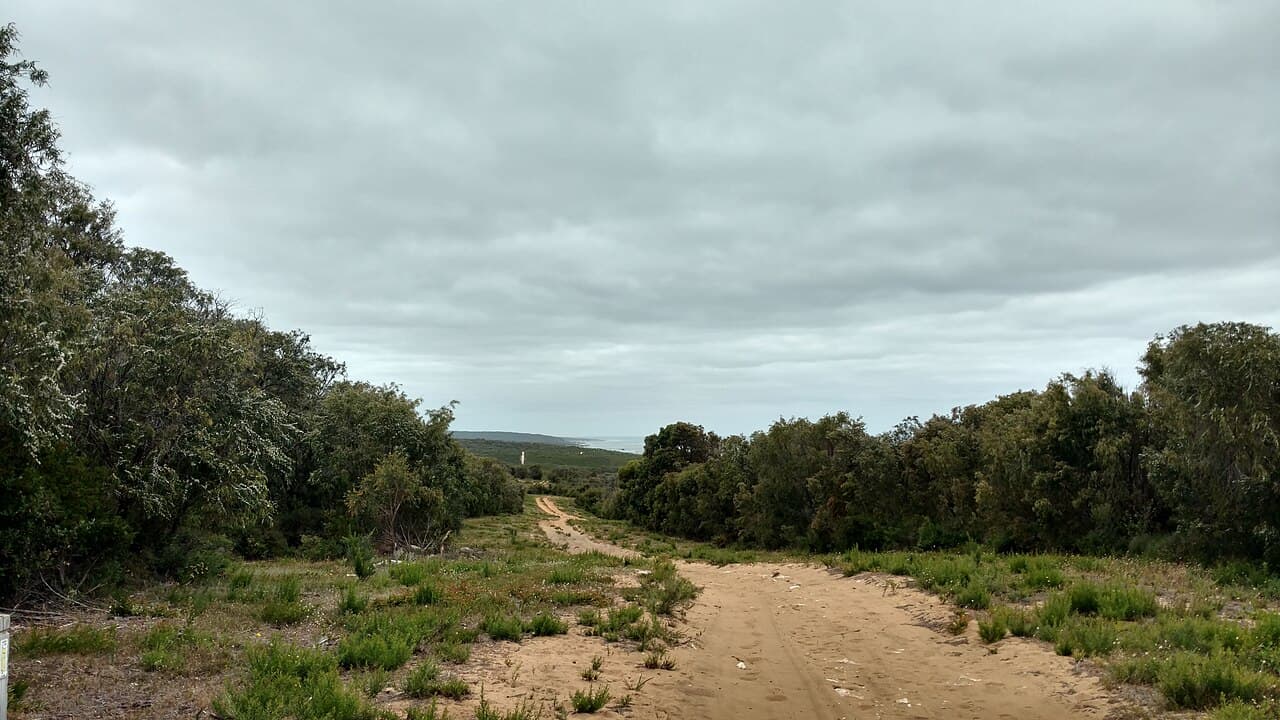
Photo: Lasthib, CC BY-SA 4.0 · via Wikimedia Commons
The order I'd do them in
If you've got one morning and a kid in the car:
- Meelup first thing. Easy parking, gentle.
- Drive south to Canal Rocks for lunch and the upper pools.
- Injidup spa in the afternoon if the tide is right and the swell is small. If not, save it for another day.
If you've got one morning and no kids:
- Moses Rock at the right tide. Take your time.
- Lunch somewhere in Yallingup village.
- Sit on the deck somewhere and read.
If you've only got an hour:
- Canal Rocks. It's the closest, the easiest, and the upper pools are open at almost any tide.
Practical
After rock pools, people often need somewhere warm and dry. Our gallery on Blythe Rd is 8 minutes from Injidup and Canal Rocks. Pam's usually there — she'll ask where you went and what the tide was doing, which is how she figures out what you actually want to look at next.
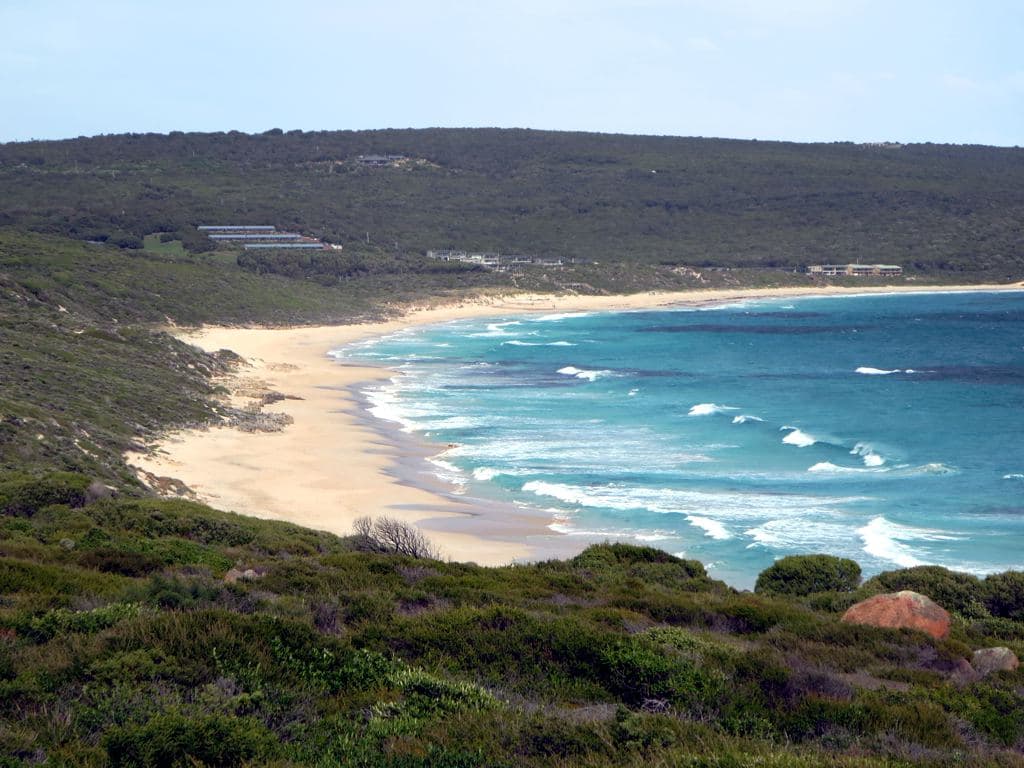
Photo: Sam Wilson, CC BY-SA 2.0 · via Wikimedia Commons
The thing nobody says about rock pools is that they're more interesting at fifty than they are at five. Kids love them for the splash. Adults who stay still long enough get the slower version — the crab coming out, the wrasse pulsing along the wall, the small octopus changing colour. That's the version that brings me back.
Read next: the Yallingup-only beach ranking, or the complete beaches guide for the whole coast laid out.
Plan your visit to Yallingup.
Directions & hours →