[Region]
The Yallingup Lagoon
The protected pool behind Yallingup's main reef is the swim most visitors miss because they're watching the surfers. When the lagoon is on, it's the best calm swim in the cluster.
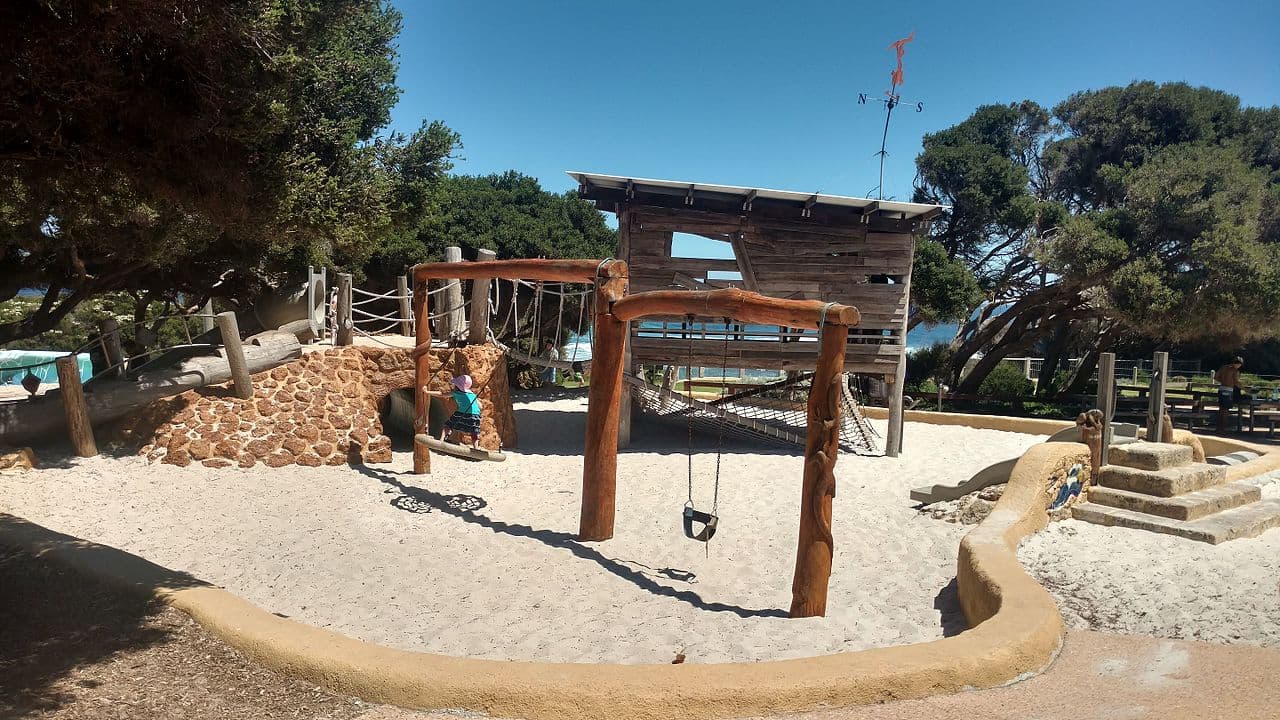
Most people arrive at Yallingup Beach and watch the surfers. The ones with kids or the ones who want to actually swim go left to the lagoon. Same beach, completely different experience.
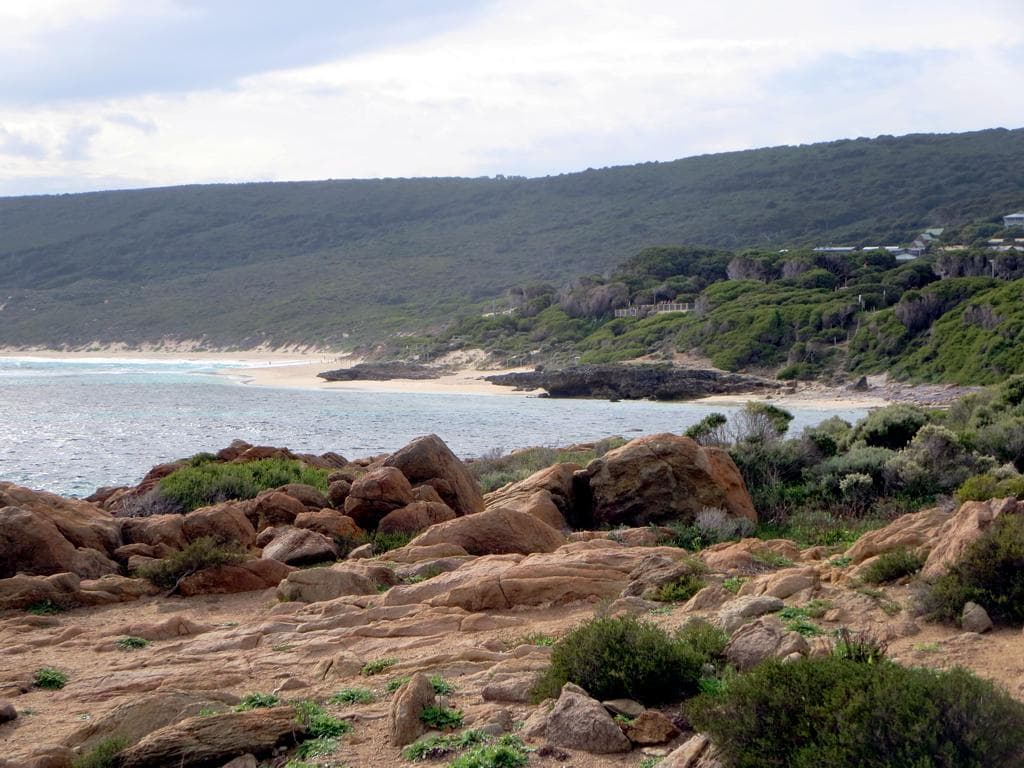
Photo: David Stanley, CC BY 2.0 · via Wikimedia Commons
I've watched a lot of first-time visitors at Yallingup main beach do the same thing. They park, they walk down the steps, they look at the swell hitting the reef three hundred metres out, and they decide it's too rough to swim. So they sit, take a few photographs of the surfers, and leave.
The lagoon is the bit they didn't notice. It's the protected stretch at the northern end, sheltered by the reef on one side and the headland on the other. On most days it's swimmable when the open ocean isn't. On a small swell it's the calmest piece of water in the Yallingup cluster.
Worth knowing about.
What the lagoon is
The reef at Yallingup runs roughly parallel to the beach, about three hundred metres offshore. The surf wave breaks over the outer edge of it. The water that comes over the reef onto the inside is much smaller than the wave that made it, and most of that energy is dissipated by the time it hits the sand.
The northern end of the beach is where this works best. The reef extends a little closer to shore there, the headland (called Cape Clairault) gives extra protection from the southerly wind, and the result is a stretch of about two hundred metres of beach where the water is reliably calm enough to swim. That stretch is what locals call the lagoon. It's not a separate body of water (you can walk from it onto the surf side in five minutes), but it functions as one.
The water depth in the lagoon is mostly waist-to-chest at the deeper end, with patches of shallower sand-and-reef closer in. The bottom is sand for the most part, with limestone reef in patches that come up to your knees. Worth wearing reef shoes if you have them, though most don't bother.
When it's swimmable
The lagoon is the most-of-the-time swim spot at Yallingup. Three things knock it out:
-
A big southwest swell that pushes more water over the reef than the inside can absorb. Above about two and a half metres, the lagoon stops being calm. You'll see white water washing across the inside.
-
A strong west wind. Once the wind is over 15 knots out of the west, you get chop on the inside even when the swell is small. Swimmable but not pleasant.
-
Low tide on a small day. At dead low tide the reef sticks up further and the lagoon gets shallow. Snorkellable, but the swim quality drops.
The window that works for most of the year is: small swell (under 2 metres), light wind, half-tide to high. That's most summer mornings, most autumn days, and the calm days between fronts in winter.
The water temperature tracks the open ocean: around 21°C in summer, down to 16°C in winter. The lagoon being shallow means it warms up faster than open ocean by mid-afternoon, sometimes a degree or two warmer than the surf side. Not enough to matter much, but you notice.
Who it's for
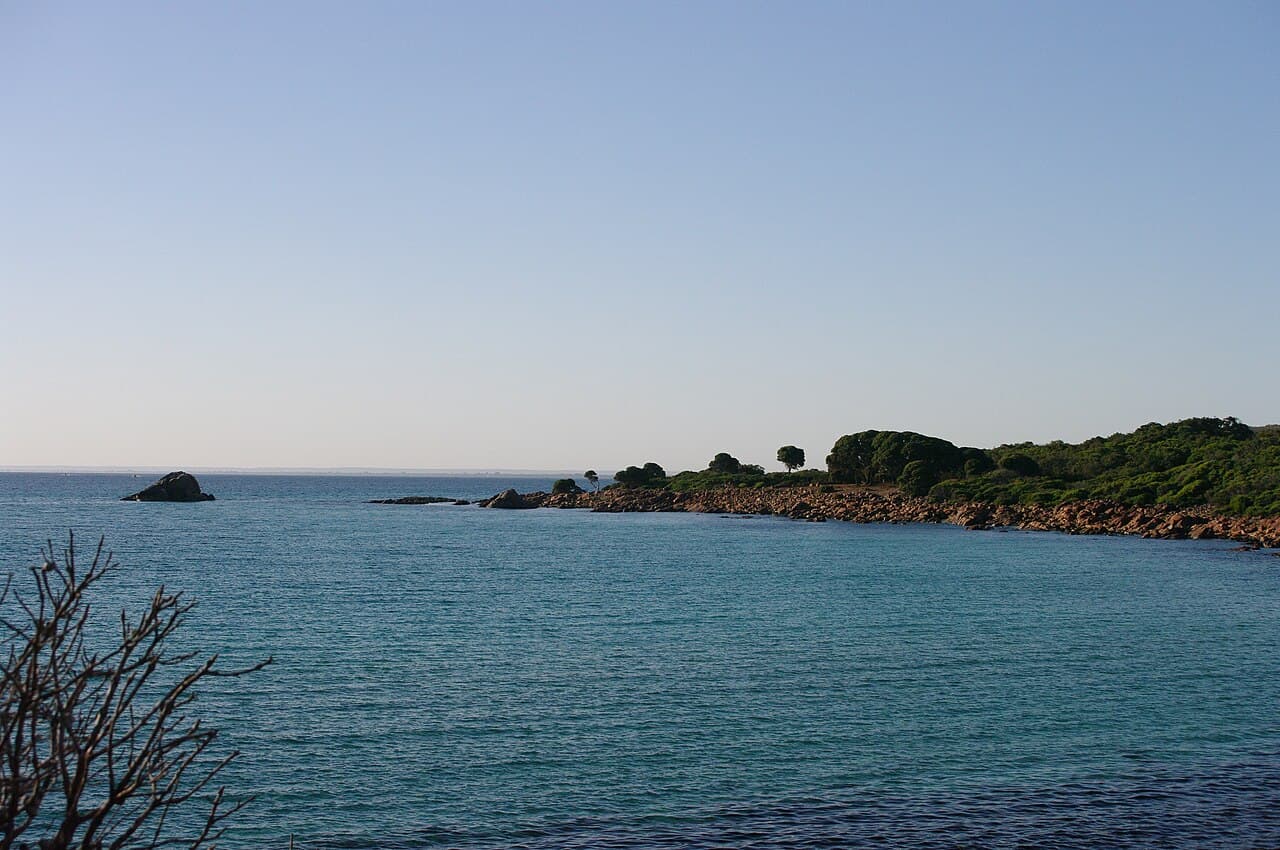
Photo: Western Australian Government, CC BY 2.5 AU · via Wikimedia Commons
Kids: good. The shallow stretch at the northern end is the right depth for paddling and the reef breaks up the swell enough that you don't get the worry of an open beach. Watch the rocks — limestone is sharp on bare feet — and keep an eye out at low tide when more reef is exposed.
Beginner swimmers and lap swimmers: good. You can swim along the line of the beach for two hundred metres without losing your depth, which is unusual on this coast. I've seen people do laps here on quiet mornings.
Snorkellers: very good. The reef inside the lagoon has small wrasse, the occasional ray, sea cucumbers, and (on the outer edge where it gets a bit deeper) more interesting fish life. Visibility is usually good after a calm few days. The snorkel-specific guide to the Aquarium covers the deeper end of the same reef.
Surfers: the wave is on the outside of the reef, not in the lagoon. If you're a surfer, this isn't your end of the beach.
Photographers: the morning side. East-facing aspect (kind of, it faces north-west actually, but the headland is to the south) means the morning light comes in across the water and lights it up nicely. The colour of the lagoon water on a sunny day is the bluest piece of water you'll see in the cluster.
People wanting to be alone: the lagoon end is quieter than the surf end most of the year. In January, no. There's nowhere quiet on this beach in January. But April through November, the morning hours, you can have most of it.
What's around it
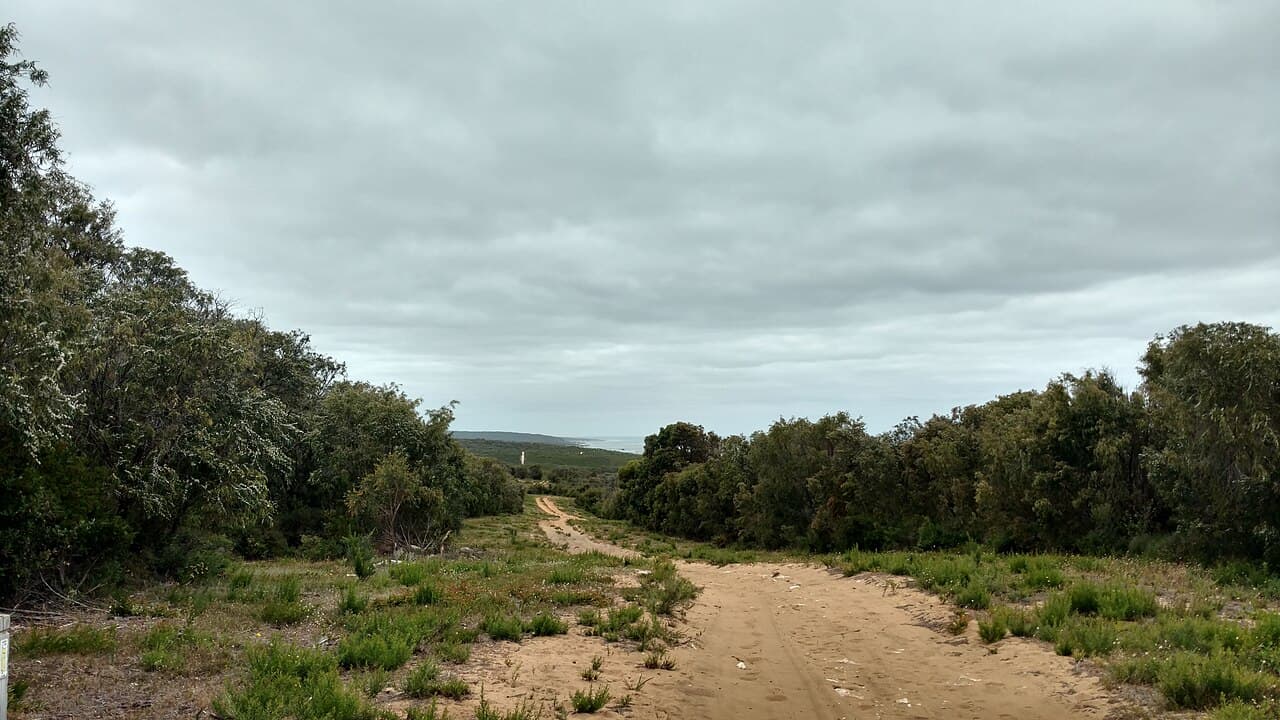
Photo: Lasthib, CC BY-SA 4.0 · via Wikimedia Commons
The lagoon end of Yallingup Beach has its own carpark, separate from the main beach carpark. Drive past the main beach turnoff and continue north on Valley Rd, then take Yallingup Beach Rd back down. There's a small carpark above the dunes, a stepped walkway down to the sand, and a small toilet block. No cafe, no kiosk. The Yallingup Bakery (woodfired bread) is about a kilometre back up the hill.
From the carpark you can walk north into the Cape to Cape track. The first kilometre climbs up to Cape Clairault and gives you the view back across the lagoon and the reef. On a clear afternoon it's the best ten-minute walk in the village. If you want a longer walk, you can keep going for another hour and end up at Sugarloaf Rock.
South along the beach gets you to the main Yallingup break. From the lagoon end, you can be at the bakery in fifteen minutes, the main beach in seven, or out on the cliff track in two.
How it compares to Smiths and Meelup
The three calm-water options in the cluster are the Yallingup lagoon, Smiths north end, and Meelup. Here's how I'd separate them:
The lagoon is the most atmospheric of the three. You've got the surf breaking out the back, the headland to the north, the reef visible in the water, the colour. It feels like the ocean, just sheltered. The downside is the shallow patches with reef under them — less good for kids who like to splash and tumble.
Smiths north end is bigger, opener, with a more dramatic feel and a longer stretch of sand for walking. The water is open ocean — less calm than the lagoon, but with no reef underfoot. Better for a long lap swim. Worse if you're nervous about open water. The longer take on Smiths sets out the difference in full.
Meelup is the calmest of the three because it faces north and gets no Indian Ocean swell at all. Best for very young kids, gentlest, prettiest. The downside is that it doesn't feel like the wild coast — it feels like a sheltered bay (which it is). If you want the south-west experience plus calm water, the lagoon wins. If you want calm water plus zero anxiety, Meelup wins.
If I had a couple with a four-year-old: Meelup in the morning, lagoon in the afternoon, Smiths another day.
If I had a couple with a four-year-old: Meelup in the morning, lagoon in the afternoon, Smiths another day. That covers the cluster in a fortnight without anyone getting tired of beaches.
Practical
For real-time wind and swell, the Surf Life Saving WA report is reliable. The Bureau forecast for Cape Naturaliste tells you everything you need about what the lagoon will be doing.
A note on the name
You'll see the lagoon written about online by people who think it's a separate place. It isn't. It's the northern stretch of Yallingup main beach. If you turn up looking for "Yallingup Lagoon" expecting some hidden cove, you'll be disappointed. The lagoon is the calm bit of the same beach, on the right-hand side as you face the water, behind the reef.
All the same, locals do call it the lagoon, signage refers to the lagoon swimming area, and the Tourism WA site uses the name. The name is real even if the geography is single-beach.
The gallery is a seven-minute drive from the Yallingup Beach car park. Salt-aired or dry, come by on your way out. The workshop is open most weekdays. The bench will be running.
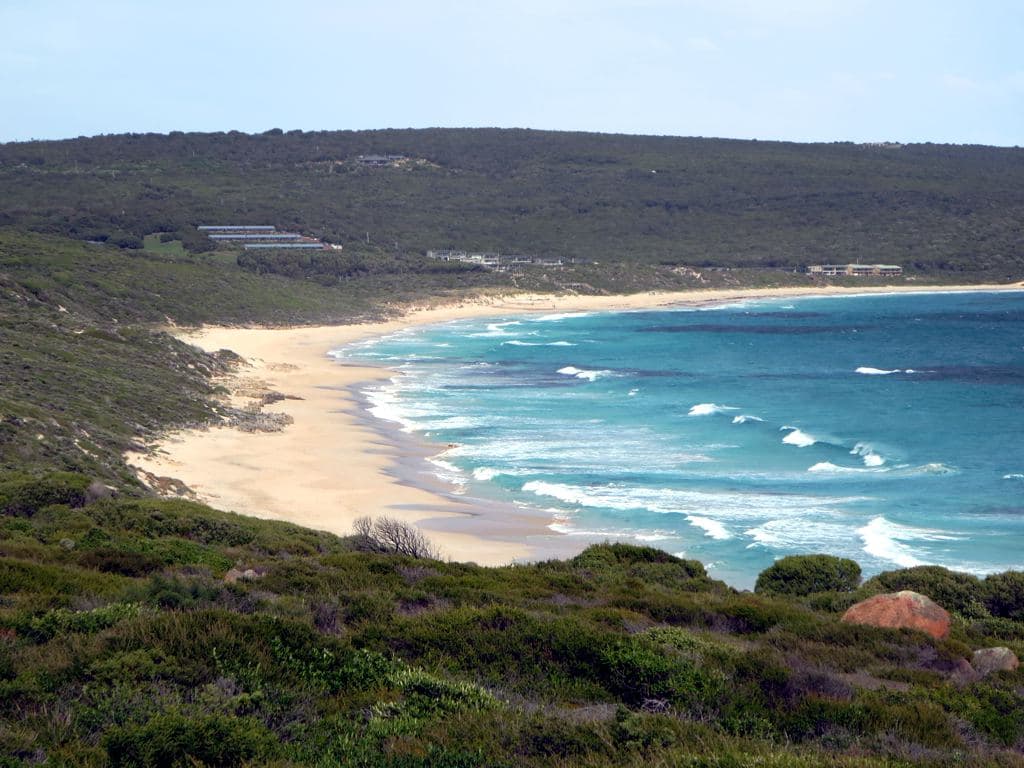
Photo: Sam Wilson, CC BY-SA 2.0 · via Wikimedia Commons
The lagoon is one of those things that's been here forever and only the locals notice. The surfers aren't interested because the wave is on the outside. The visitors who want surf go to Smiths. The visitors who want calm go to Meelup. The lagoon sits between the two and most people walk past it.
That's been the answer for as long as I've been here. The reef holds the swell out, the headland holds the wind off, and the water on the inside has been there waiting since well before any of us showed up. Worth taking the left turn for.
Read next: the broader Yallingup village guide, the things to do in Yallingup overview, or how the lagoon stacks up against everything else nearby. The wider context is in the complete beaches guide.


Plan your visit to Yallingup.
Directions & hours →