[Region]
Best Time to Visit Margaret River
Autumn. That's my answer and it hasn't changed in forty years. But here's the case for every season, because the right time depends on what you're coming for.
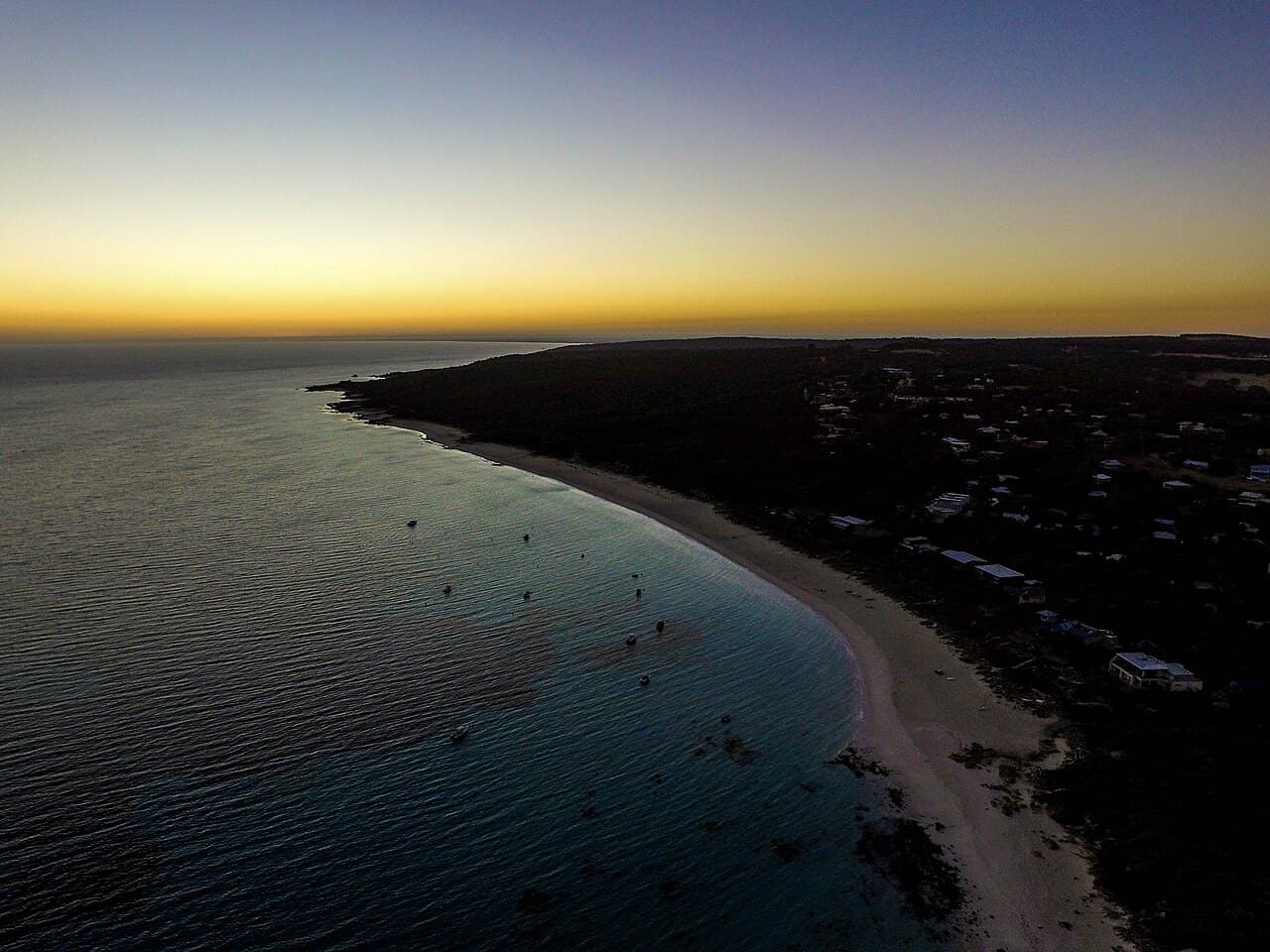
Autumn. That's my answer. It's been my answer for forty years and it hasn't changed. But here's the case for every season, because the right time depends on what you're coming for.
The region works year-round. There is no bad time. There are, however, better times for specific things: the surf for surfers, the vintage for wine people, the wildflowers for walkers, the storm watching for the romantics. The trade-off is between weather, crowds, and price. Get the trade-off right and the trip pays back. Get it wrong and you've spent a week eating breakfast in a queue.
This is the field guide I give people when they ring up and ask.
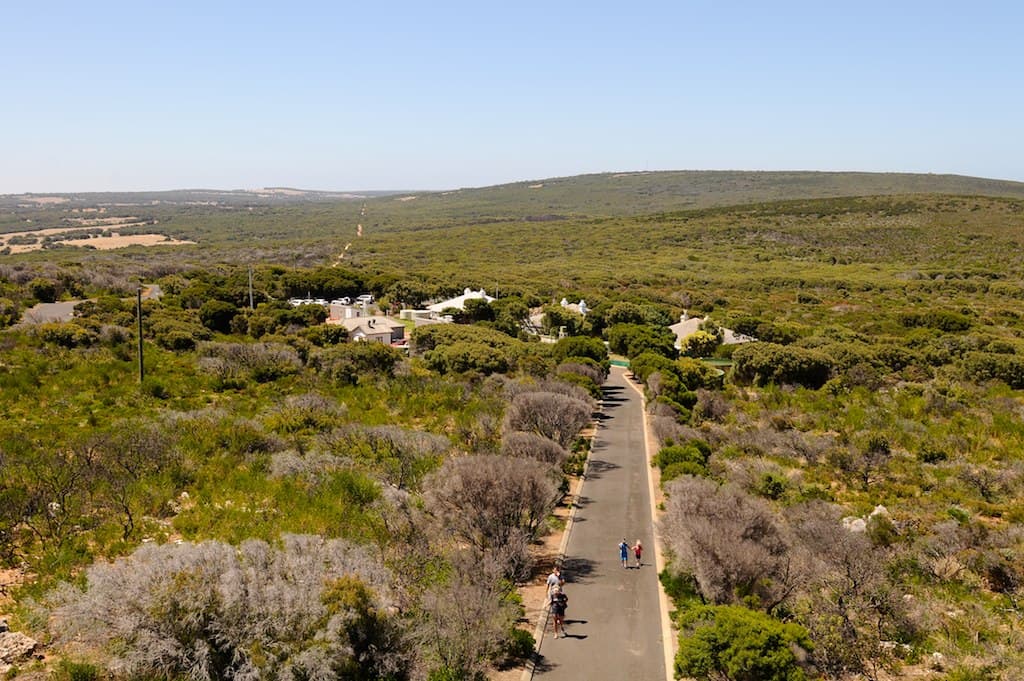
Photo: Stuart Sevastos, CC BY 2.0 · via Wikimedia Commons
Autumn (March to May): the local pick
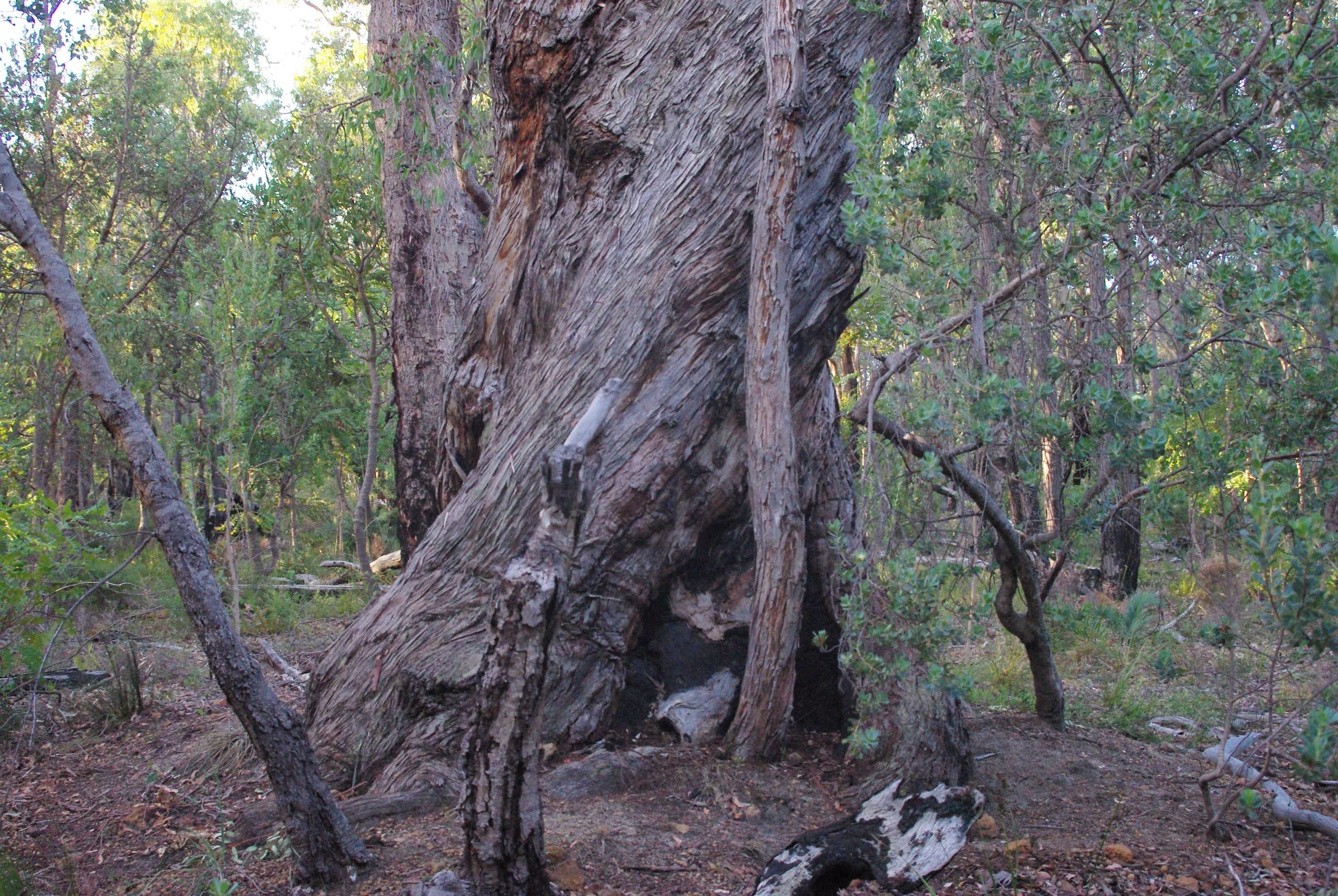
Autumn is when the region is at its best, and it's not close. The summer crowds are gone by mid-March. The water is still warm enough to swim in until late April. The vintage is on at the wineries through March and April: grapes coming off the vines, presses running, the cellar door staff visibly tired and visibly pleased. The light through the karri and jarrah forests in April is gold in a way that you don't get any other time. The mornings are crisp. The afternoons are warm. The wind, the variable that makes or breaks a summer day on the coast, mostly settles.
The crowd in autumn is mostly couples, mostly locals from Perth on long weekends, and mostly people who've been here before and know what they're doing. The accommodation prices step down from the summer peaks. The cellar doors are at their most interesting because there's actually something happening in the cellar.
If you can only come once and you can come at any time, come in late April. The water is still swimmable. The light is the best it gets. The lunch tables at the better wineries are bookable without ringing six weeks ahead. The Margaret River Wine Festival usually falls around this time. Pack a jumper for the evenings and a swimsuit for the afternoons.
The catch. Easter and the school holidays in April will bunch up. The first half of April can be busy. Aim for late April or the first three weeks of May for the quietest, most pleasant version.
Spring (September to November): the second-best answer
Spring is the runner-up and the season I'd recommend if autumn doesn't fit your schedule. Three things make it work.
The wildflowers come out from September through October. The southwest of Western Australia is one of the most botanically diverse regions on the planet, and the spring wildflower and whale season is the most concentrated example of it. Walk any section of the Cape to Cape track in October and you'll be picking your way through a dozen orchid species, banksias in flower, kangaroo paw on the headlands.
The whales are on the coast from late September through November, migrating north with their calves. Cape Naturaliste lighthouse is the best whale-watching headland in the region. You'll see them from the headland on most days during the September migration window, and the boat tours from Dunsborough run daily.
The surf is still working but the wind is easing. The Indian Ocean low pressure systems have started to lose their teeth and the swells coming through are still substantial but more often clean. Spring is the season most professional surfers come here.
The catch in spring is the weather is less reliable than autumn. October can be glorious or it can be three days of grey. November is more reliable. The school holidays in late September and early October are a busy patch. Book around them.
Summer (December to February): the popular answer
Summer is when most visitors come, and I'd argue most of them are coming at the wrong time. December and January are the busiest weeks of the year. The famous beaches fill up by mid-morning. Accommodation prices roughly double. The lunch tables at the wineries are booked out three weeks ahead. The wind in the afternoon can be relentless, and the sunburn risk is serious — the UV index in January here is as high as anywhere in Australia.
Summer has things the other seasons don't. The water is warm enough to swim for hours. The long evenings mean dinner outside on a verandah at nine pm is normal. The festivals are mostly clustered into January and February: Cabin Fever, the Margaret River Gourmet Escape (now mostly in November but the summer is still festival-heavy). For families with school-aged kids, summer is when you can actually come. For surfers coming from cold-water places, summer is a holiday on its own terms.
The trick to a good summer trip: come for the first week of December or the last two weeks of February. Those are the shoulder weeks. The weather is summer weather. The crowds are off. The prices are softer. Avoiding the worst of the summer crowds is its own piece if you're stuck with January.
Start your days early. Be on the beach by 8am. Be off the beach by 11am. Lunch slowly somewhere with a fan or air-conditioning. Back to the beach at 4pm. Dinner at 8pm. That's the summer rhythm that works.
Summer is the region showing off. Autumn is the region at home. Winter is the region back in its working clothes.
Winter (June to August): the underrated season
I've written about a winter weekend down here in more detail. The short version is that winter is the season most visitors avoid and most locals look forward to.
The cellar doors are at their best. Every winery in the region builds a fire in June. You'll often be the only person at the tasting bar for an hour. The pours are generous. The conversations are long.
The surf is properly serious. The low-pressure systems from the Roaring Forties produce the biggest swells of the year from May through August. Yallingup main break goes from a chest-high cruise to a fifteen-foot reef break overnight. The Box at North Point becomes a thing. Watch from the headland if you don't surf. It costs nothing and a six-foot clean morning is something the region does as well as anywhere.
The storm watching is its own draw. Big southwesterly fronts roll in off two thousand kilometres of ocean and break against the cliffs. Canal Rocks in a storm is dramatic. Sugarloaf in a storm stays with you for years. The light between the squalls is what painters come down here in winter for.
The prices are at their lowest. Accommodation is at maybe forty to fifty percent of summer rates between June and August (school holidays in early July excepted). A house that's nine hundred dollars in January will go for three-fifty in July.
The caves are warm. Ngilgi sits at a constant nineteen degrees year-round. In July that's a warm break from a wet afternoon.
The catch in winter: the weather is variable. You'll get sunny days and you'll get wet days, often in the same afternoon. Some of the smaller cellar doors go to weekend-only hours or close for a week in mid-July. Bring layers and decent boots.
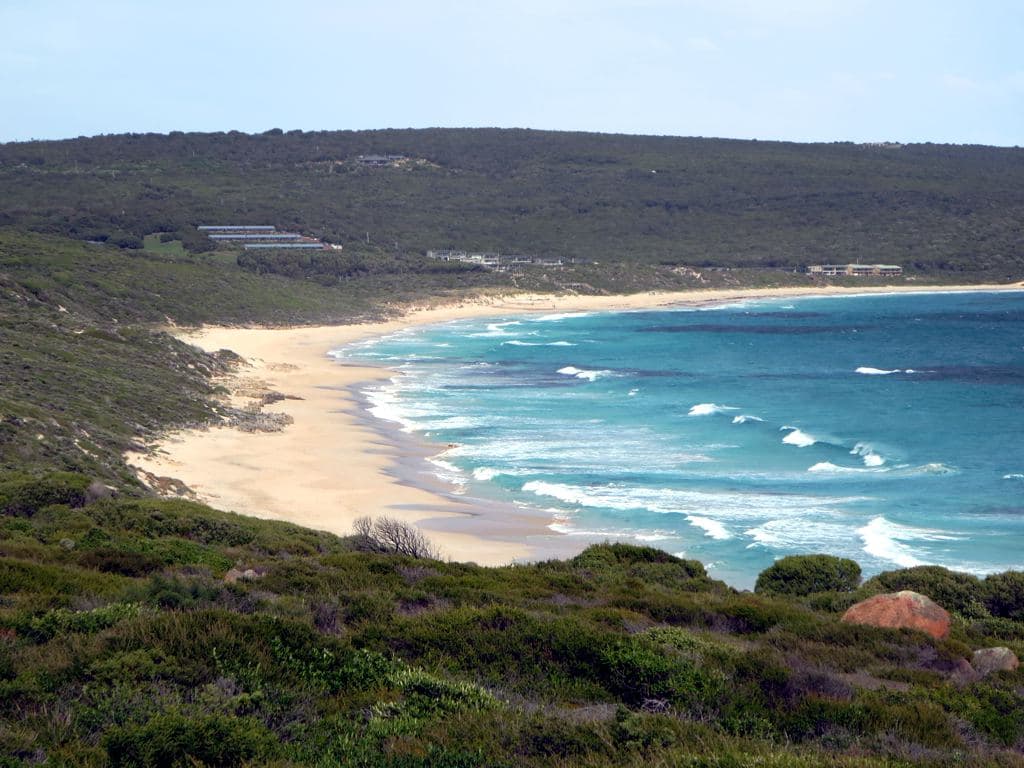
Photo: Sam Wilson, CC BY-SA 2.0 · via Wikimedia Commons
The question under the question
When someone asks me when to come, they're usually asking one of four other questions in disguise. Here are the answers.
"When is the weather best?" Late April or November. Both are the shoulder months: warm enough to swim, cool enough to walk, low rainfall, light winds.
"When are the crowds worst?" The first three weeks of January. Easter weekend. The last week of December.
"When are the cellar doors most interesting?" Vintage, which runs roughly March through April. The cellar door staff are tired but the cellar is alive with the year's work.
"When is it cheapest?" July and August, school holidays excepted. About half the price of summer at every accommodation tier.
If your question is none of the above and is actually "when is the right time for me?", the honest answer is to tell me what you're after. A surfer's right answer is May or June. A walker's right answer is October. A wine person's right answer is March or April. A family with school-aged kids has limited choice and should aim for the second week of December or the first week of school holidays.
The seasons by activity, briefly
A quick cross-reference. The best season for each thing the region offers.
- Surfing: May to September. Big swell, less wind, fewer people. Lesson? Day one with a local school.
- Swimming: December to April. Water warm, days long.
- Walking the Cape to Cape: April or October. Avoid January (hot) and August (muddy).
- Wineries (lunch and tasting): any time. Avoid the busiest summer weeks if you want a long conversation with the cellar door staff.
- Wildflowers: September and October.
- Whales: late September to November (migration north) and June to August (migration south, harder to spot).
- Storm watching: June and July. Best from Canal Rocks or Sugarloaf.
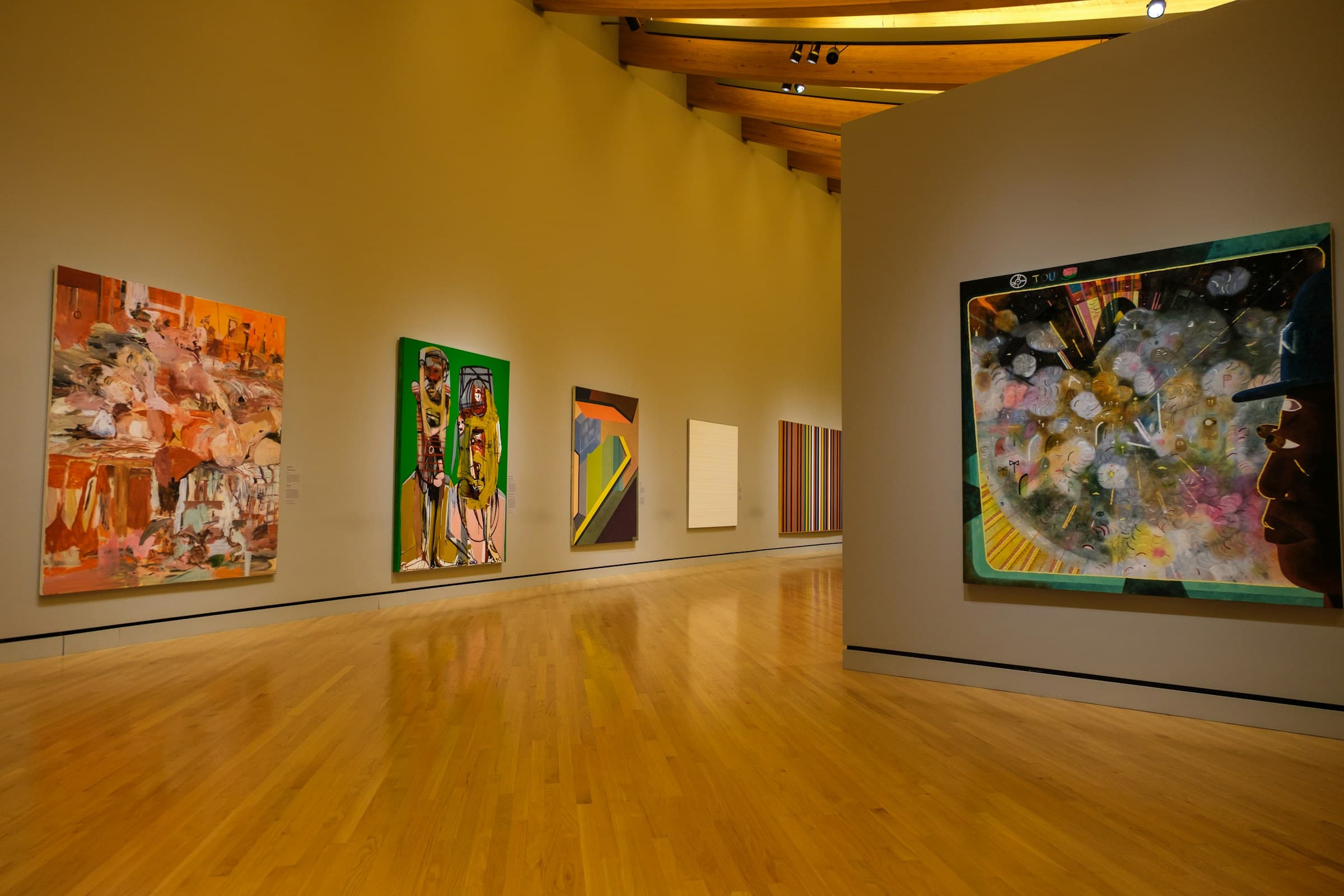
- Galleries and studios: any time, but winter is when the makers are most likely to be at the bench rather than out front.
- The farmers market: every Saturday, year-round. Best in winter (citrus, garlic, slow-grown beef) and in autumn (stone fruit, tomatoes, melons).
John's one sentence
If a friend rings up tomorrow and asks me when to come, I will say: late April, three nights at Yallingup, book Vasse Felix for the Saturday lunch, and don't drive home on the Sunday. Get into the airport on Monday afternoon and use the morning for one more thing.
That's my version of the right answer. The region works year-round and the worst day here is still a good day, but the best of it is autumn.
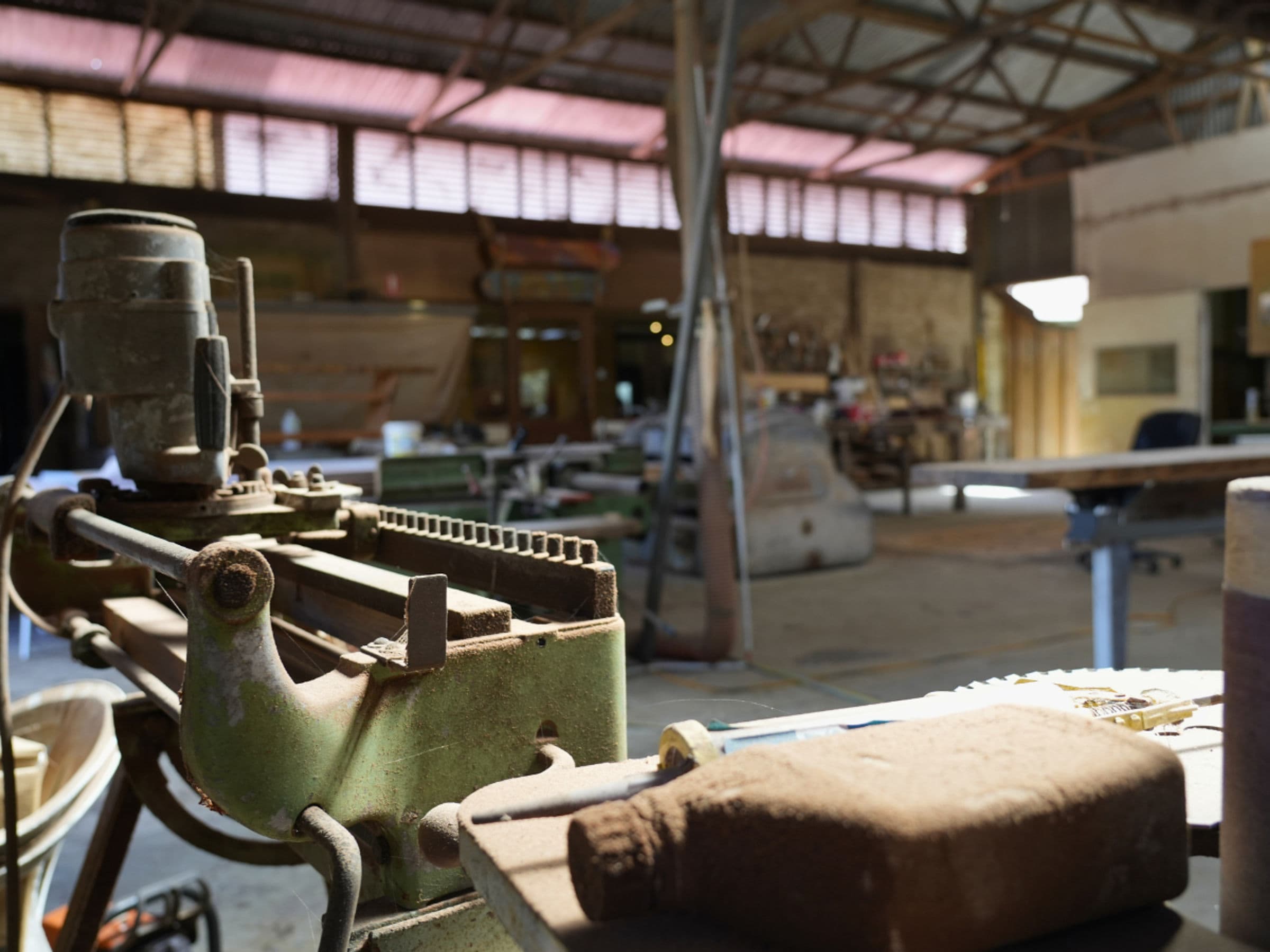
The gallery is open year-round. The workshop is busiest in winter — rain keeps me inside. Come in June or July and you'll see more being made. Open every day, 10am to 4pm (Saturdays until 5pm).
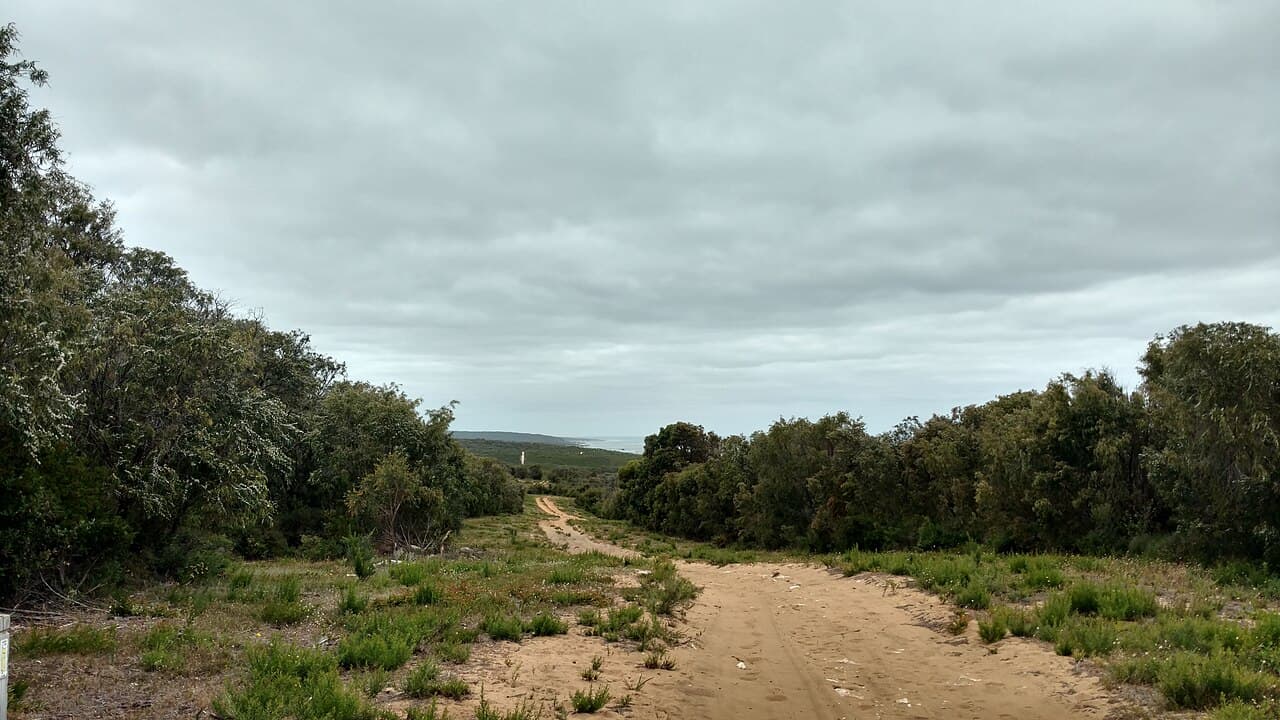
Photo: Lasthib, CC BY-SA 4.0 · via Wikimedia Commons
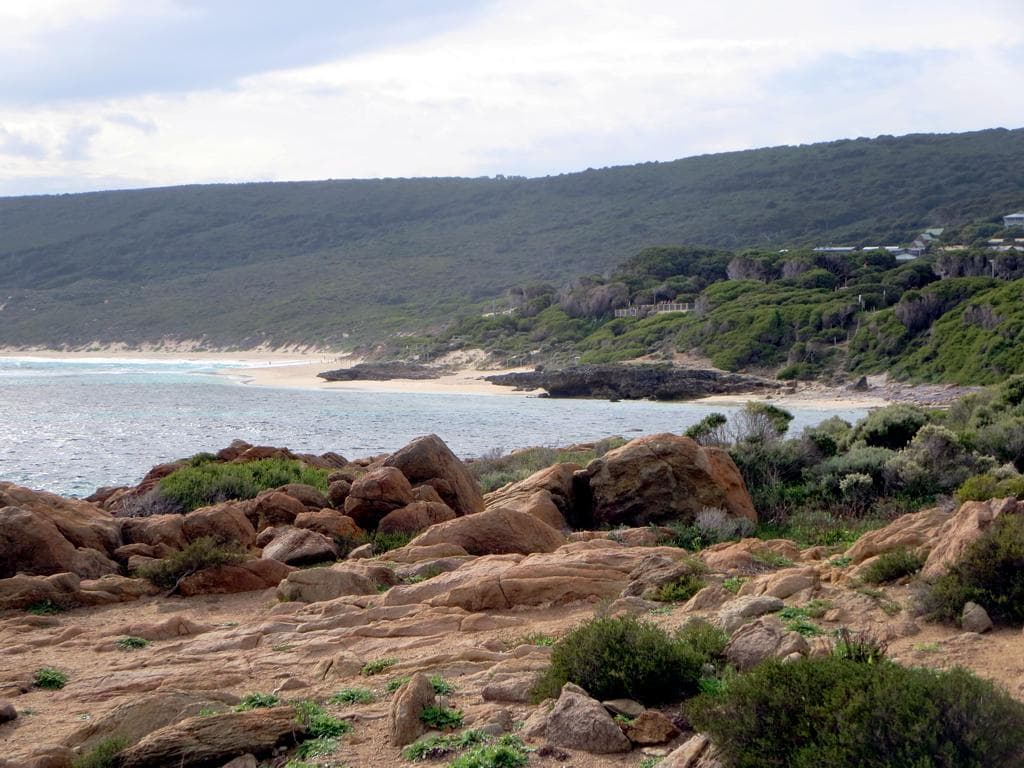
Photo: David Stanley, CC BY 2.0 · via Wikimedia Commons
Plan your visit to Yallingup.
Directions & hours →