[Region]
Margaret River in Winter
Some of my best work has been done in June. The rain hits the workshop roof, the gallery stays warm, and the region quietly becomes itself again.
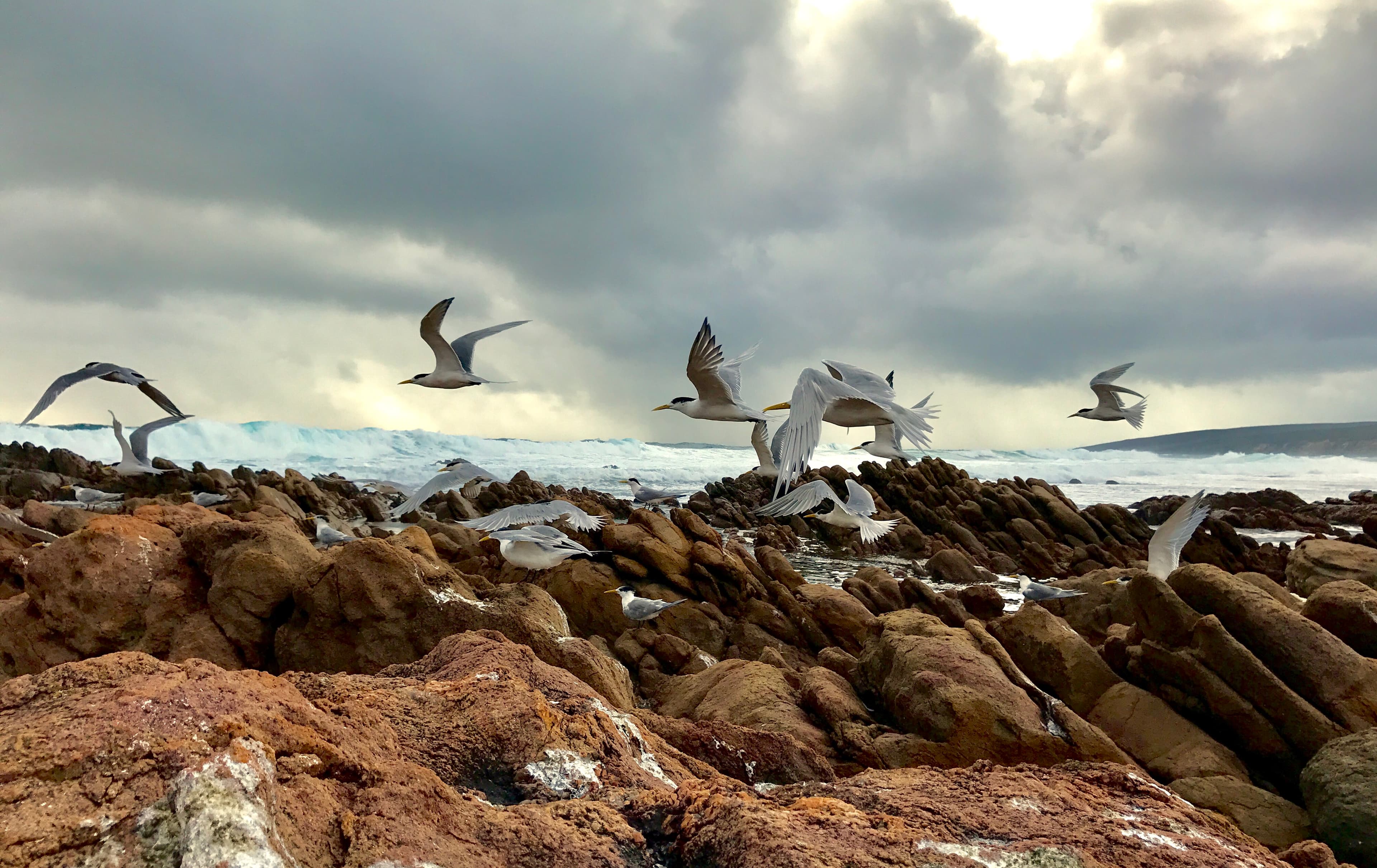
Winter here is when I get the most done. The rain comes in off the Indian Ocean. The light changes.
I've watched forty winters from the workshop window on Blythe Rd. They all share the same pattern. The southwest sky goes flat-grey by mid-morning, the wind picks up some weight, and the place exhales every summer person who was ever going to leave. What remains is what's actually here: the timber, the wineries, the caves, the long beach walks where you might pass two people in an hour. June through August is when the region stops performing and goes back to being itself.
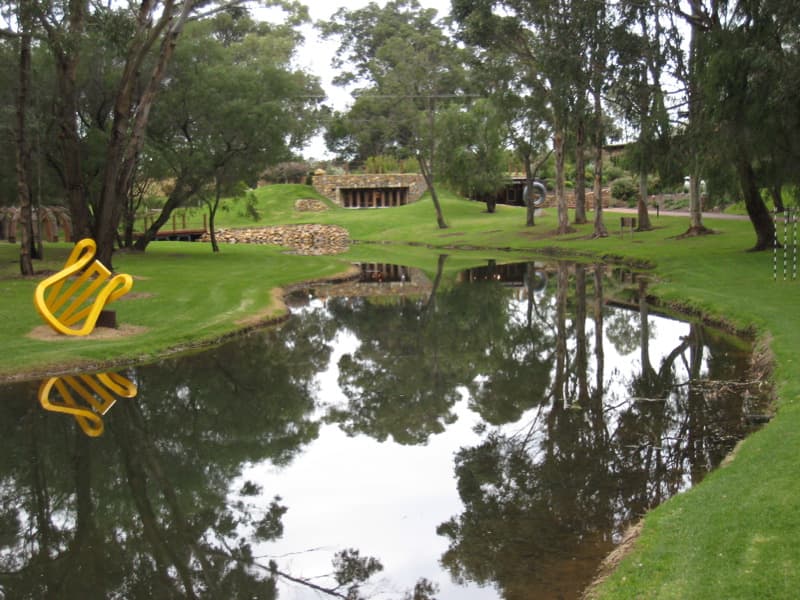
Photo: Vasse Felix, CC BY-SA 2.0 · via Wikimedia Commons
What winter actually looks like down here
People hear "winter in Western Australia" and picture a Perth July: overcast, fifteen degrees, an annoying inconvenience to the year. Down here it's different. We get the full force of weather that's spent two thousand kilometres of ocean building itself up. Storms come in off the Roaring Forties. The surf at Yallingup goes from chest-high cruise to fifteen-foot reef break overnight. A south-westerly will roll through and turn the paddocks behind the workshop into something that looks like a Scottish moor for an hour. Then the sun comes out.
The temperature, honestly, isn't the story. Most winter days down here are between ten and seventeen degrees. It rarely freezes. What you're dressing for is the wind and the squalls, not the cold. A decent jacket and good boots and you're a local.
Summer is the region showing off. Winter is the region showing up.
The cellar doors are at their best
Every winery in this region builds a fire in June. The ones with the best fireplaces (and there are a few that have clearly thought about this) become some of the better rooms in Western Australia. Vasse Felix has an open fire in the cellar door. So does Clairault Streicker. Cullen, Howard Park, Stella Bella: all of them have made winter into something to celebrate rather than survive.
You also get the cellar door staff to yourself. In January at a busy winery you're one of fifteen people at the tasting bar. In July you might be the only person there for an hour. The pours are more generous, the chats are longer, and if you ask a real question about the wine you'll get a real answer.
A practical note: a few of the smaller cellar doors go to weekend-only hours in winter, or shut for a week or two in mid-July for staff holidays. Don't assume everything you saw open in November is still open. A quick check before you drive matters more than it does in summer. The big names like Vasse Felix, Voyager, Leeuwin and Cullen are all open daily through winter.
Indoor things that are actually good
There's a tendency in tourism writing to list rainy-day options as if you're being palmed off with second-best. Some of these things are genuinely better in winter than in summer.
Ngilgi Cave sits at a constant nineteen degrees year-round. In January that's a cool relief. In July it's a warm break from a wet afternoon, and the lighting through the formations looks somehow richer when you've come down out of overcast sky. The tours run year-round.
The galleries. I'm biased, since I run one, but the region's galleries are at their best in winter. Less foot traffic means makers are actually around, in conversation rather than serving. My workshop window is a heated room. People come in, wipe their boots off, and we end up talking for an hour about furniture, surfing, where they're from, what they're after. That doesn't happen in February.
The breweries. Bootleg, Cheeky Monkey, Eagle Bay, Black Brewing Co: most of them have wood fires going by lunchtime. Eagle Bay is my pick for a winter lunch. The view across the paddocks toward the cape is good in any weather.
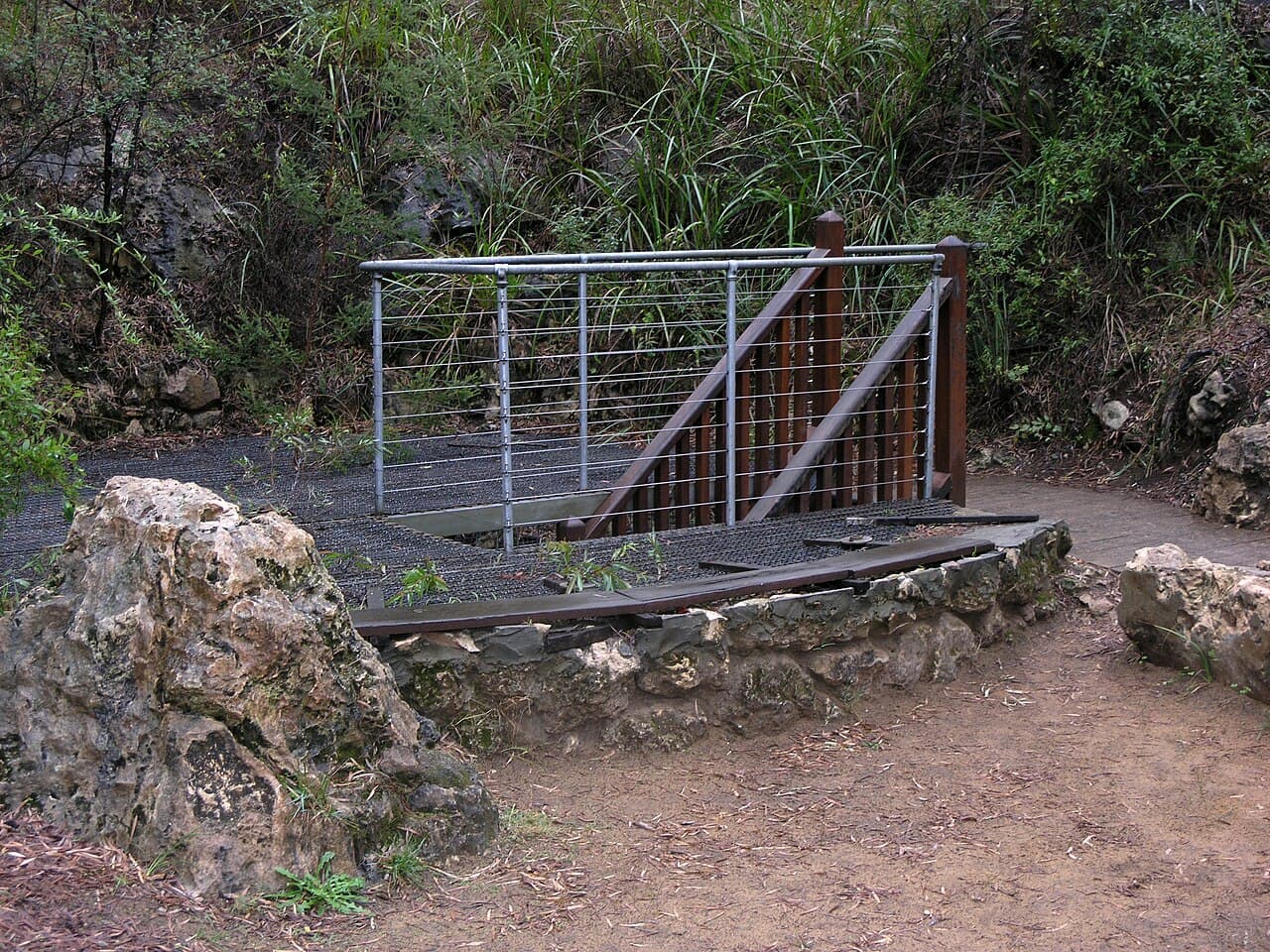
Photo: SeanMack, CC BY 3.0 · via Wikimedia Commons
Walking the Cape to Cape in winter
I'd argue the Cape to Cape track is better in winter than summer. The earth softens. The wildflowers haven't started yet (that's a September thing), but the moss on the limestone goes electric green, the creeks run, and you can walk for an hour on the cliff above Sugarloaf without seeing another person.
Bring boots. Real boots, not runners. The track gets muddy in patches, the limestone gets slippery, and a few of the river crossings between Yallingup and Smiths can be ankle-deep after rain. Wear layers. The wind on the headlands is the variable. The temperature on a sheltered section ten minutes inland is fifteen degrees different.
The short sections I'd recommend in winter: Yallingup to Smiths (about an hour each way, mostly clifftop), Cape Naturaliste lighthouse to Sugarloaf (about ninety minutes return, easier underfoot, big views), and the Meelup-to-Eagle Bay coastal walk (sheltered, gentle, family-suitable).
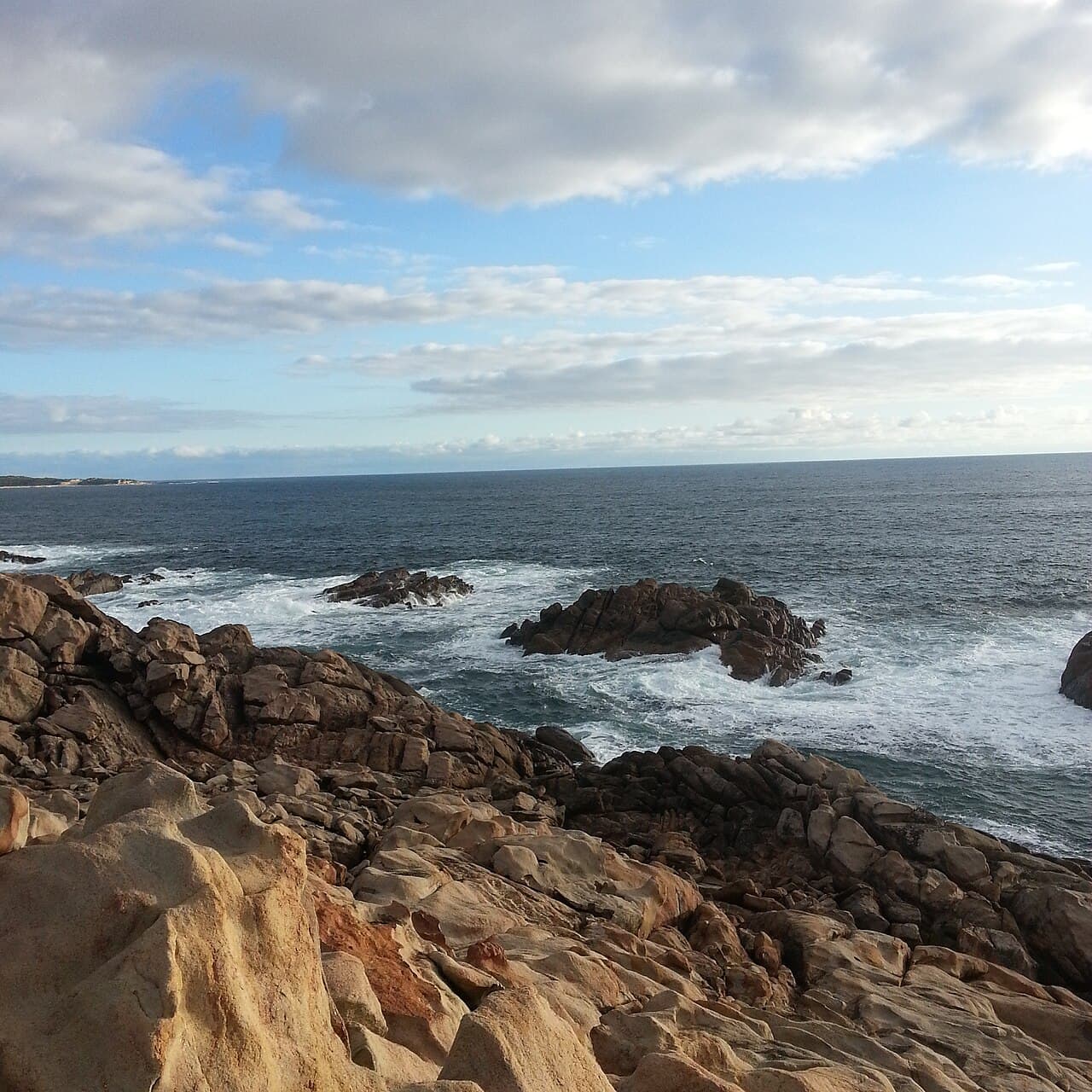
Photo: Lasthib, CC BY-SA 4.0 · via Wikimedia Commons
The surf
For surfers, this is the season. The Indian Ocean low pressure systems start producing serious swell from May and don't really let up until October. Yallingup main break holds up to about eight or ten feet before it starts to close out. Smiths Supertubes turns on. The Box at North Point becomes a thing. Intermediate surfers visiting in winter, get a lesson on day one with a local school. The crowd is smaller, the locals are home, and they know exactly where they're sitting.
Not a surfer, watch from Yallingup headland on a big day. There's a track up from the main car park that takes you to the lookout above the reef. A six-foot clean morning on the main break is one of the things this region does best, and it costs nothing to watch.
Saturday morning, regardless of weather
I don't miss the Margaret River Farmers Market in winter. It runs every Saturday morning at the old Margaret River Education Centre, eight to noon. The producers come whatever the weather. In winter the citrus is in: finger limes, blood oranges, mandarins, lemons by the kilo. The garlic harvest is around now. Free-range eggs. Slow-grown beef. There's a coffee cart, a couple of pies, and the same forty or fifty regulars who turn up every week. It's the one ritual I haven't dropped in four decades.
Where to stay (and what to pay)
Accommodation in winter is the other gift. Smiths Beach Resort, Empire Spa, Pullman Bunker Bay: the high-end places are at maybe forty to fifty percent of summer rates between June and August. A house that's $900 a night in January will go for $350. The school holidays (early July) are the exception, where that bump still happens. But outside of those two weeks, the region is genuinely affordable in winter, which it isn't most of the year.
The gallery in winter
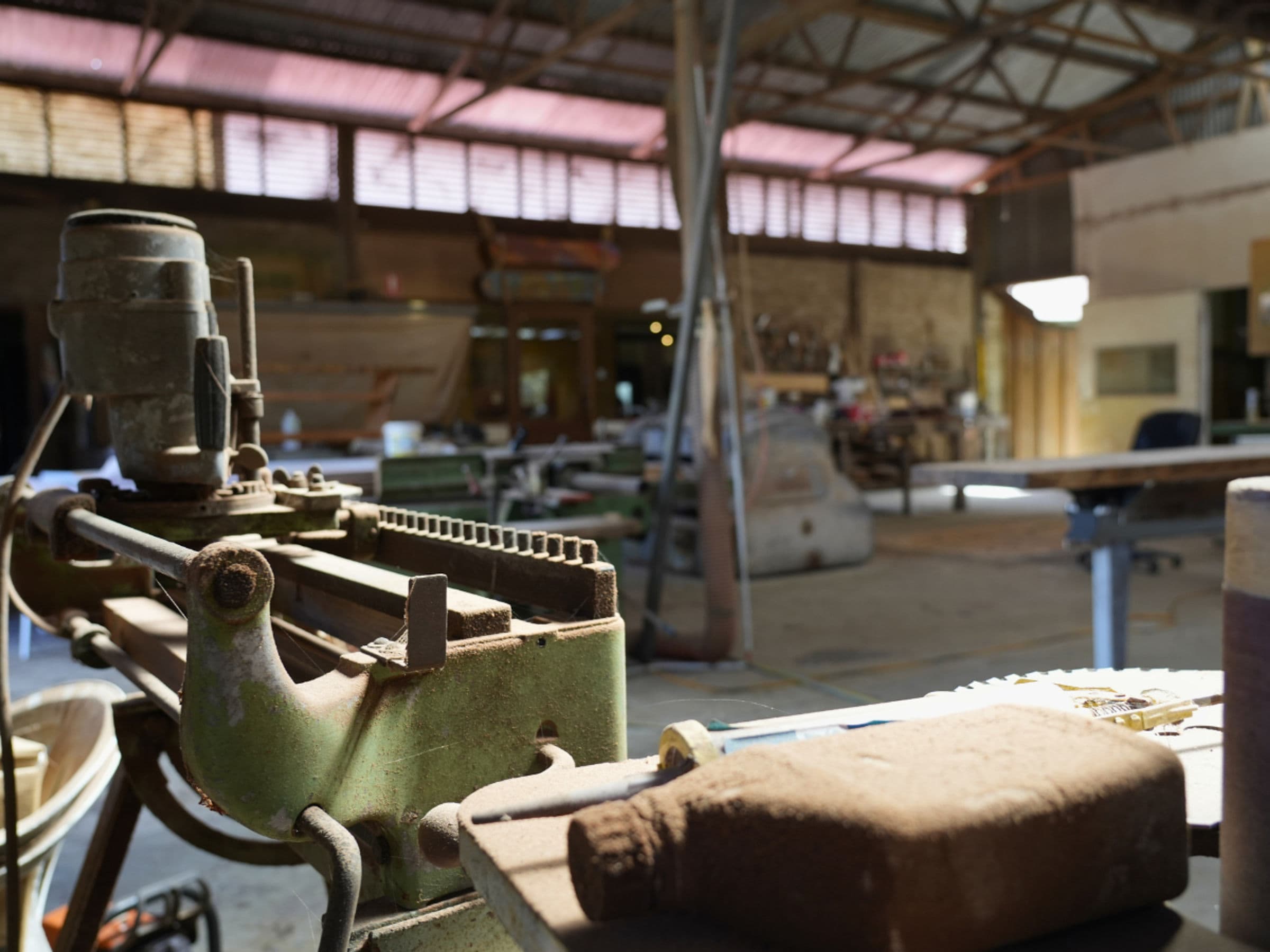
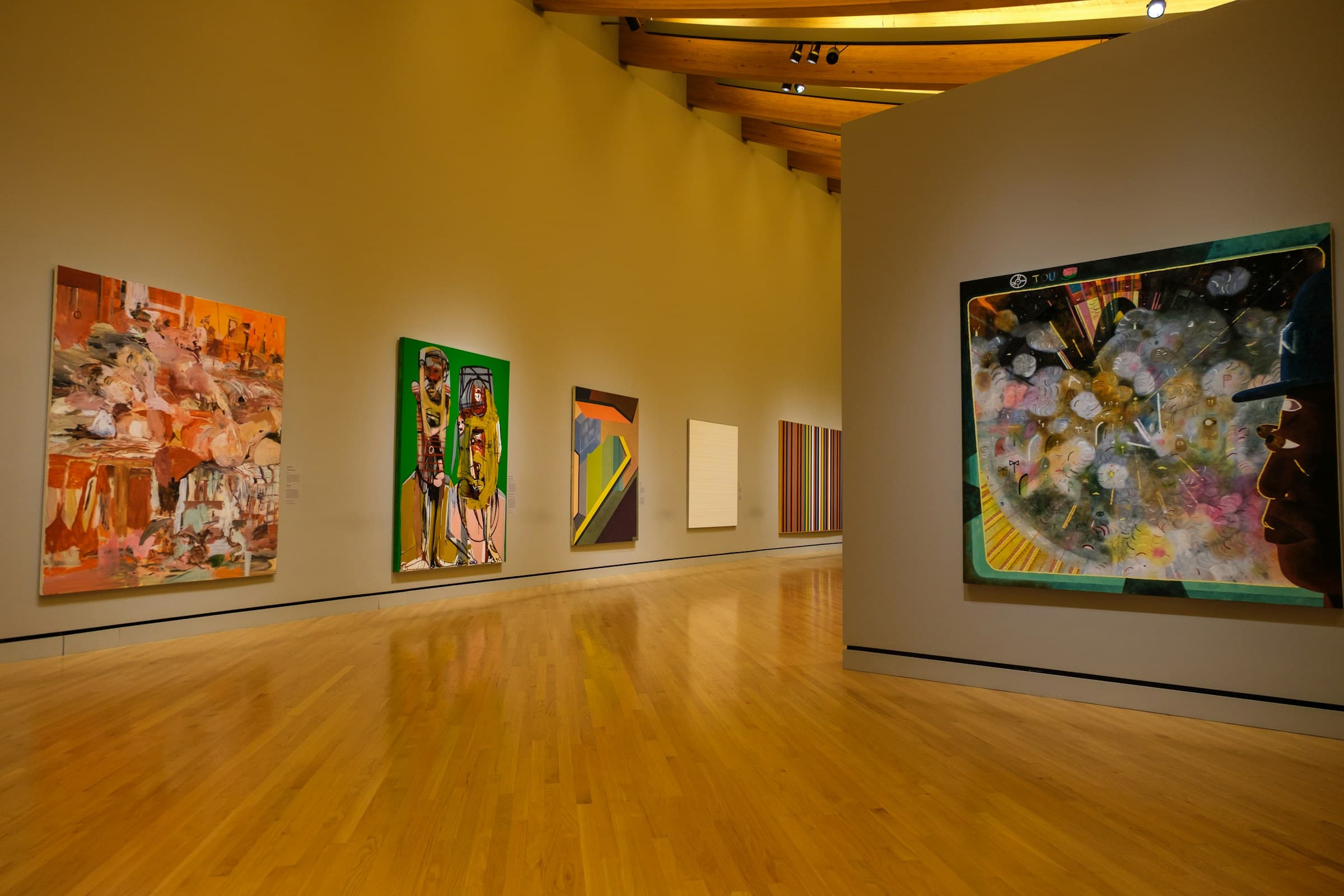
I'll say this without dressing it up. Our gallery on Blythe Rd is a good place to spend an hour on a wet afternoon. The walls are jarrah and southwest limestone. I built them in 1988. They hold heat. There's a viewing window into the workshop where you can watch me or one of the team working on a piece. Pam's usually about — she'll tell you what's on the wall and ask where you've been, which is how she works out what you actually want to look at. We have coffee. Driving the region in winter and wanting somewhere warm with something to look at, somewhere that isn't another cellar door, drop in. We're open Thursday to Sunday in winter, ten to four.
The workshop is warm. The conversation is long. If you're caught in a squall between cellar doors, come down Blythe Rd and wait it out. Google Maps sometimes misdirects via Wildwood Rd — stay on Bussell Hwy, turn at the Carbunup store, then Blythe Rd. We're open Thursday to Sunday in winter, ten to four.
a rainy Yallingup day, with options for more wet-weather options nearby. a rainy day in Yallingup covers Dunsborough indoor stops. For more on the season itself, Yallingup in the quiet months.
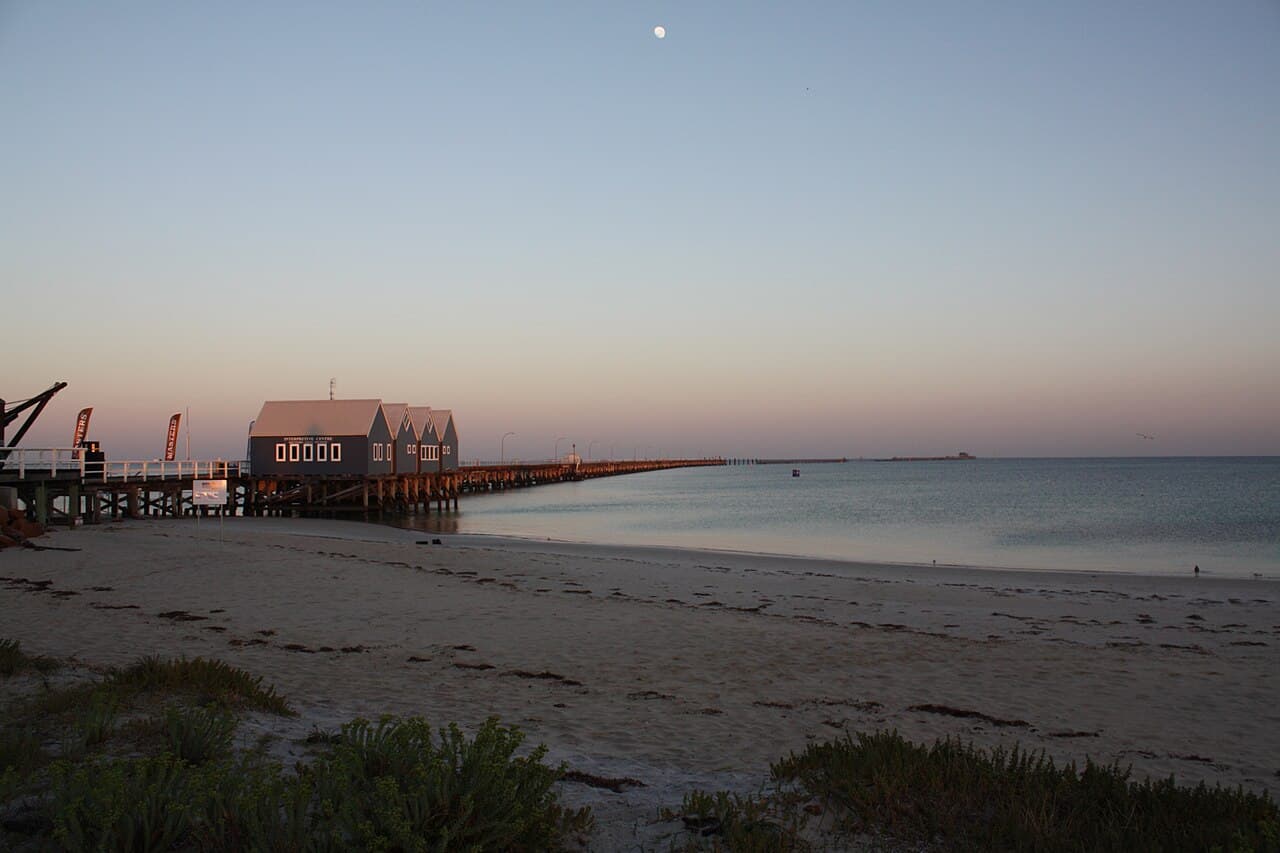
Photo: Michelle Corcoran, CC BY-SA 4.0 · via Wikimedia Commons
What I'd actually do with a winter weekend
If someone asked me how to spend a long weekend down here in July, I'd tell them this. Drive down Friday afternoon. Eagle Bay Brewing for an early dinner: fire on, paddocks out the window. Saturday morning, farmers market first. Coffee. Then either the headland walk at Yallingup or, if the weather's bad, Ngilgi Cave and a couple of cellar doors. Vasse Felix for lunch. The afternoon free for the gallery, more wine, or a long walk on Smiths. Saturday night, dinner somewhere local: Yarri in Dunsborough, or Wills Domain if you've booked. Sunday morning, slow start, then either Cape Naturaliste lighthouse and a walk out toward Sugarloaf, or a drive down to Margaret River township for the bookshop and the chocolate factory. Home by dusk.
It's not glamorous. It's not what the brochures show. It's just what the place is when the wind comes off the southern ocean and there's a fire in every cellar door from here to Karridale. The region in its working clothes.
That's the winter I'd come back for.
Plan your visit to Yallingup.
Directions & hours →