[Timber]
A Buyer's Guide to Bringing Home a Piece of Margaret River
The region has good wine and good chocolate. That much is obvious. What most visitors miss is everything sitting between the cellar door and the heirloom — the handmade objects you can actually take home.
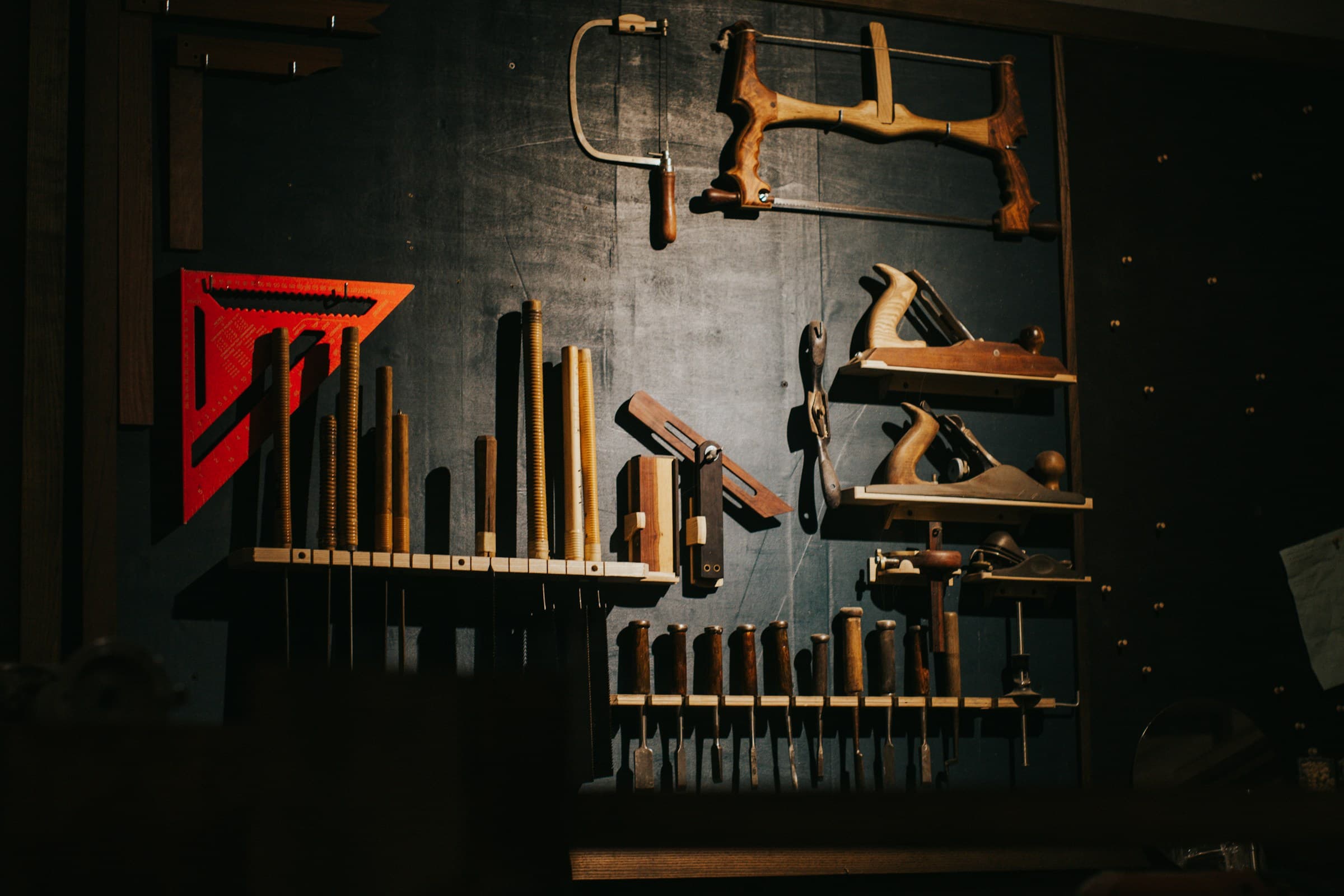
The region has good wine and good chocolate. You know that. What most visitors don't know is that it also has some of the finest working craftspeople in the country, and most of them sell directly from their workshops.
I came down here in 1982. I've watched people drive in for the wineries, leave with a case of cabernet, and never realise that ten minutes off the main road there are glassblowers, painters, leatherworkers, potters and timber workers making things they'd never find in any city store. So this is a buyer's guide, written from the other side of the counter, by someone who's been on both sides of it for a long time.
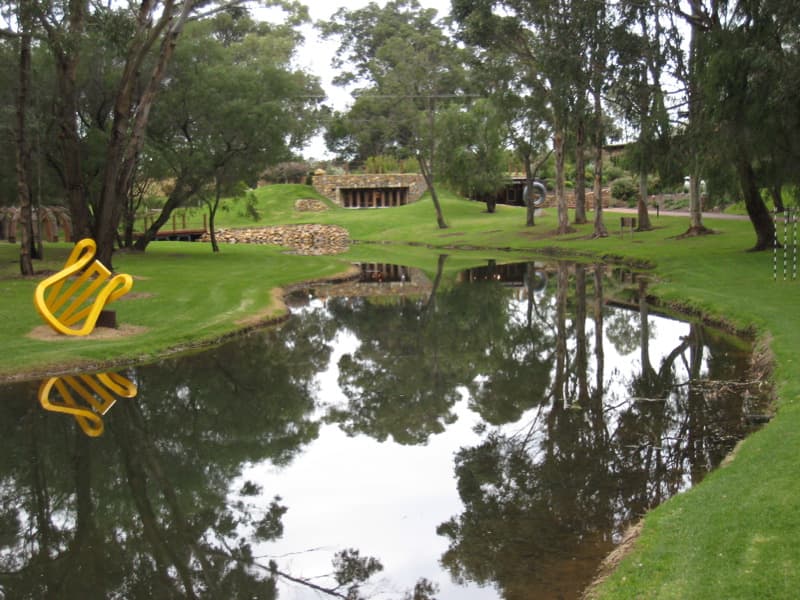
Photo: Vasse Felix, CC BY-SA 2.0 · via Wikimedia Commons
The hierarchy nobody tells you about
There's an unspoken order to what people bring home from down here, and it goes roughly like this.
First, fudge. Every visitor centre on the way out of town has it. It's good fudge. It is also gone in a week, and the only memory of the trip you'll have left is the wrapper in the bin.
Second, wine. The bottle's better than the fudge. You can drink it in six months and remember the cellar door. But once it's gone, it's gone, and you can't pass it down.
Third, the handmade object. A piece of pottery from a wheel you watched turning. A glass bowl with a bubble in it from where Alan Fox's breath caught for a second. A leather wallet that'll last twenty years. These are the things people leave the region wishing they'd bought, and remember later when their friend has one on a shelf and they don't.
Fourth, and this is the bit most people never get to, heirloom furniture. A dining table that watches forty Christmases happen. A chair the children fight over. Something that arrives in your house and then quietly outlives you.
I'm not saying don't buy the fudge. Buy the fudge. But know where you are in the hierarchy.
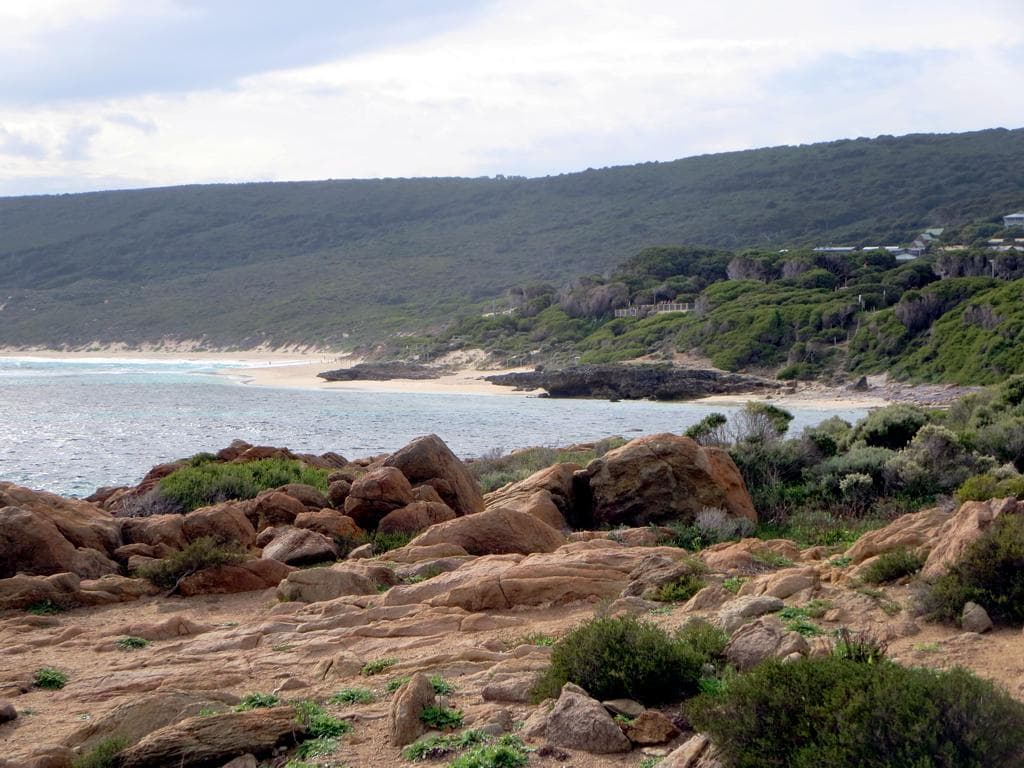
Photo: David Stanley, CC BY 2.0 · via Wikimedia Commons
Price brackets, honestly
Let me break it down the way I'd break it down if you walked into the gallery and asked.
Under $50
Postcards from local photographers. Hand-poured candles. Small ceramic pieces: earrings, salt dishes, little bud vases. A book from one of the regional presses. A bar of Gabriel Chocolate that's actually made from beans they roast in Yallingup. That's worth doing, by the way. Their door is open from 10 to 5 daily.
At this price you're not buying the object so much as the encounter. You're buying the fact that you stood in the room with the person who made it.
$100–500
This is where the region really opens up. A serious piece of pottery: a salad bowl, a serving platter, a vase you'd put in your front window. A blown-glass piece from Alan Fox, who works in the studio next to mine. A leather handbag from one of the Margaret River makers. A framed photograph or a small original painting from one of the regional artists.
At this bracket, you're buying something you'll use or look at every day for years. The object earns its keep.
$500–2,000
A larger glass piece. A commissioned ceramic series. An original artwork from an established regional painter. A small custom timber piece: a side table, a stool, a wall-hung shelf in jarrah or marri. A piece of fine jewellery from one of the silver and goldsmiths working out of Cowaramup and Margaret River.
Around this bracket people stop calling things "souvenirs" and start calling them "the table the children grew up with." That's a meaningful shift.
$2,000 and up
Now you're in heirloom territory. A dining table. A bookcase that goes floor to ceiling. A bed. A sculptural piece of furniture that's also the centrepiece of the room it sits in. These are pieces that get commissioned, take months to build, and outlive their first owners.
A piece of furniture is the only object in your house that watches generations happen. Choose it the way you'd choose a house.
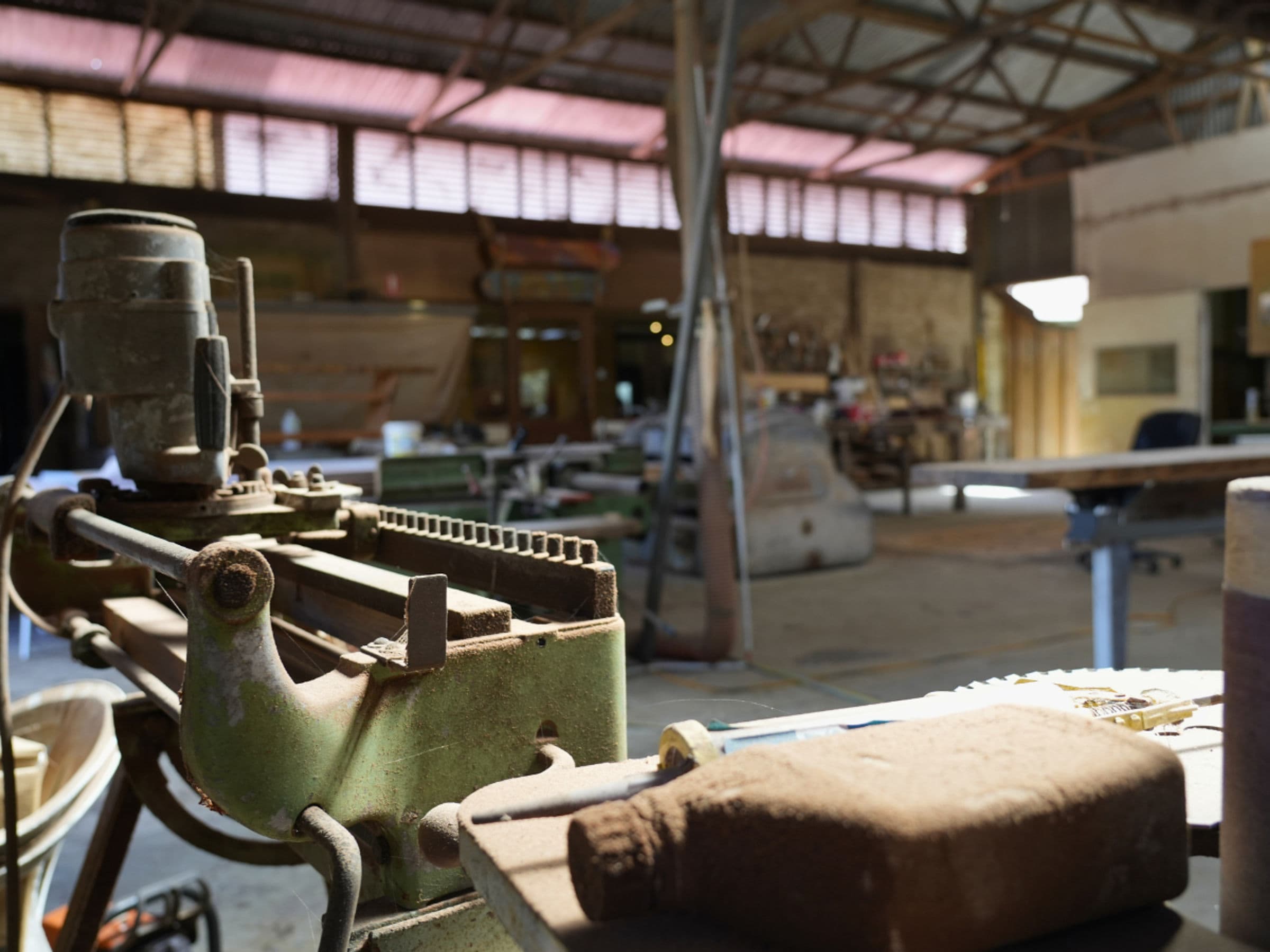
If that's where you're heading, the conversation starts with a phone call or an email, then a visit to the workshop, then a long unhurried discussion about timber, proportion, how you live, what room it's going in. Pam and I have been doing this a long time. We haven't done it the same way twice.
how a custom dining table gets commissioned walks through that process in detail.
The practical bit: packing, shipping, customs
This is the part that stops people. They fall in love with a piece, then look at it and say we can't get this home. You can. Here's how.
Carry-on size
Anything that fits in a suitcase you can take. Wrap glass and ceramics in clothes. Use the corners of the case for support. I've watched serious collectors fold a $1,500 vase into a jumper and walk it onto a flight to Sydney without a scratch.
Posted within Australia
For anything pottery- or glass-sized, almost every maker down here will pack and post for a flat fee, usually $25 to $50 within Australia, depending on size. Ask. We all do it.
Furniture shipping interstate
This is where people panic. They shouldn't. There are three or four good interstate transport companies who specialise in furniture. They crate the piece, bubble it, blanket-wrap it, and deliver to your door anywhere from Brisbane to Hobart. From Yallingup to Sydney, a dining table is usually $800–1,500. From Yallingup to Melbourne, slightly less. To Perth, almost nothing.
We arrange it. You sign one form. The piece arrives.
Furniture shipping internationally
Yes. It can be done. It costs more, usually $1,500–4,000 depending on size and destination, and the piece travels in a wooden crate, sometimes by sea. Customs is straightforward; Australian timber comes with the right paperwork. I've sent pieces to London, New York, Singapore, Hong Kong, all over.
The piece arrives. Sometimes it takes eight weeks. It still arrives.
Where to actually buy this stuff
The temptation is to do the visitor centre route. Don't. The visitor centres are good people but they only stock what fits on their shelves. The real work is in the studios and galleries.
Studios you can walk into
Many of the working artists down here have signage on the road. Look for them. Drive Caves Rd between Yallingup and Margaret River and you'll pass twenty studios you didn't know existed. Pull in. The doors are open.
For a structured version of this, the Margaret River Region Open Studios event runs every September. About 150 artists open their workshops to the public for a fortnight. It's the easiest way to meet the makers directly without the awkwardness of feeling like you're intruding. the Open Studios trail
Galleries that curate
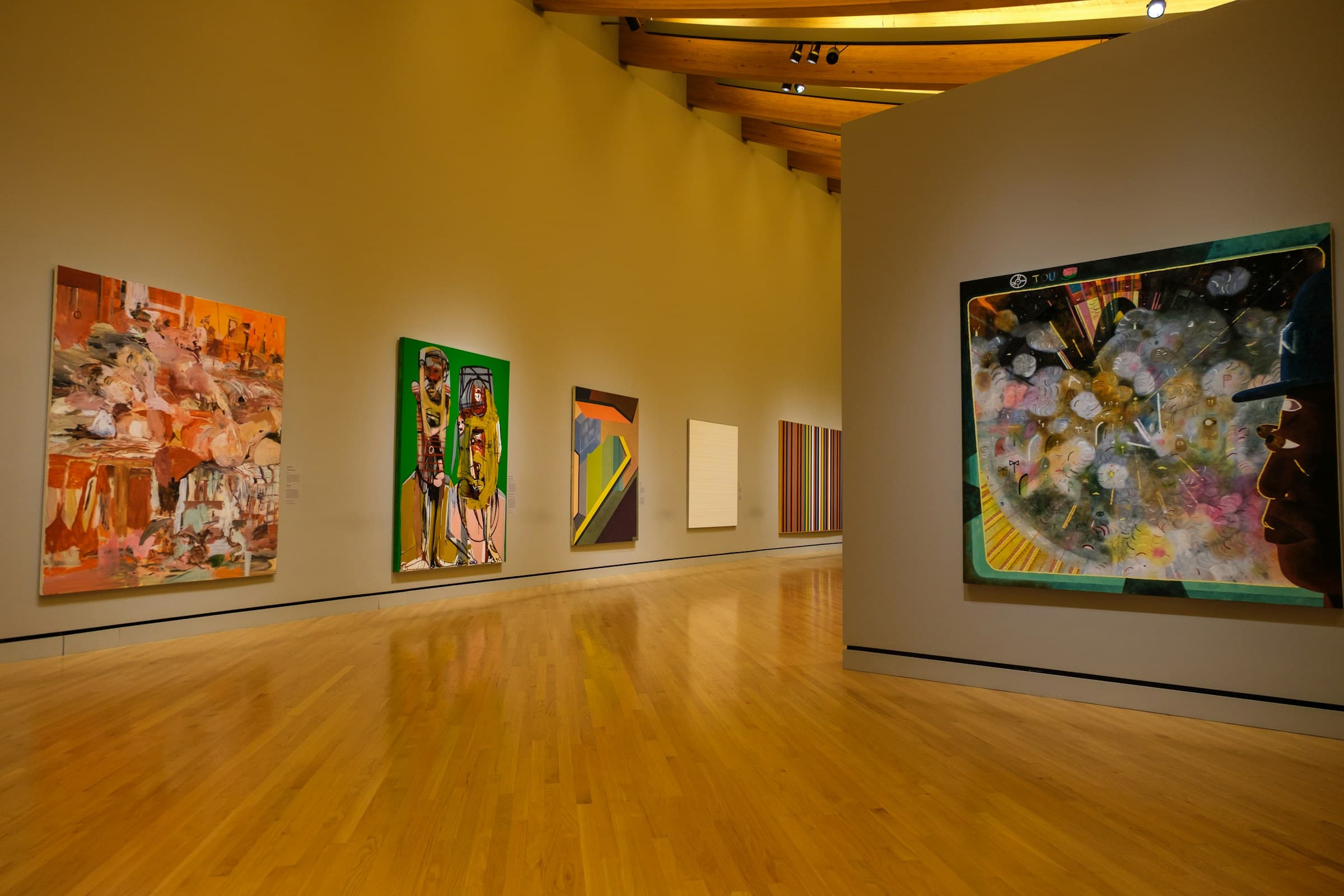
Then there are the galleries, including this one. The gallery model is different from a studio. We curate work from multiple makers, so you can see ten different people's pieces in one room and compare. You're not committing to anything by walking in.
Our gallery on Blythe Rd sits across all four price brackets. Glass under $200, ceramics around $300, smaller timber pieces from $500, larger commissions from $5,000. Pam will meet you at the door — she'll get the whole story out of you before I've put my tools down. I'm usually in the workshop through the viewing window. Come in. Walk around. Ask anything.
A note on finding us: Google Maps sometimes misdirects via Wildwood Rd. Stay on Bussell Hwy, turn at the Carbunup store, then Blythe Rd. Five minutes from there and you're at the front door.
For a wider read on the regional art scene, Margaret River region shopping and art is a reasonable starting point.
The question to ask every maker
Here's the thing that separates a tourist purchase from a real purchase. Ask the maker one question:
What was different about making this one?
Not "how long did it take" or "what wood is it." Those are catalogue questions. The real question is what made this piece different from the last one. Every handmade object has a story like that. A knot they had to work around. A glaze that didn't behave. A client who changed their mind three times. The maker will light up when you ask, because it's the question we want to be asked.
When you take that piece home, that story comes with it. You'll tell it to your friends. They'll tell it to theirs. Decades later somebody will inherit the piece, and the story will still be attached to it.
That's what you're actually buying.
what a real Margaret River souvenir looks like is a shorter take on the same question. Margaret River souvenirs beyond wine is the budget version. And heirloom gifts for the big occasions is the version for when you're buying for somebody else.
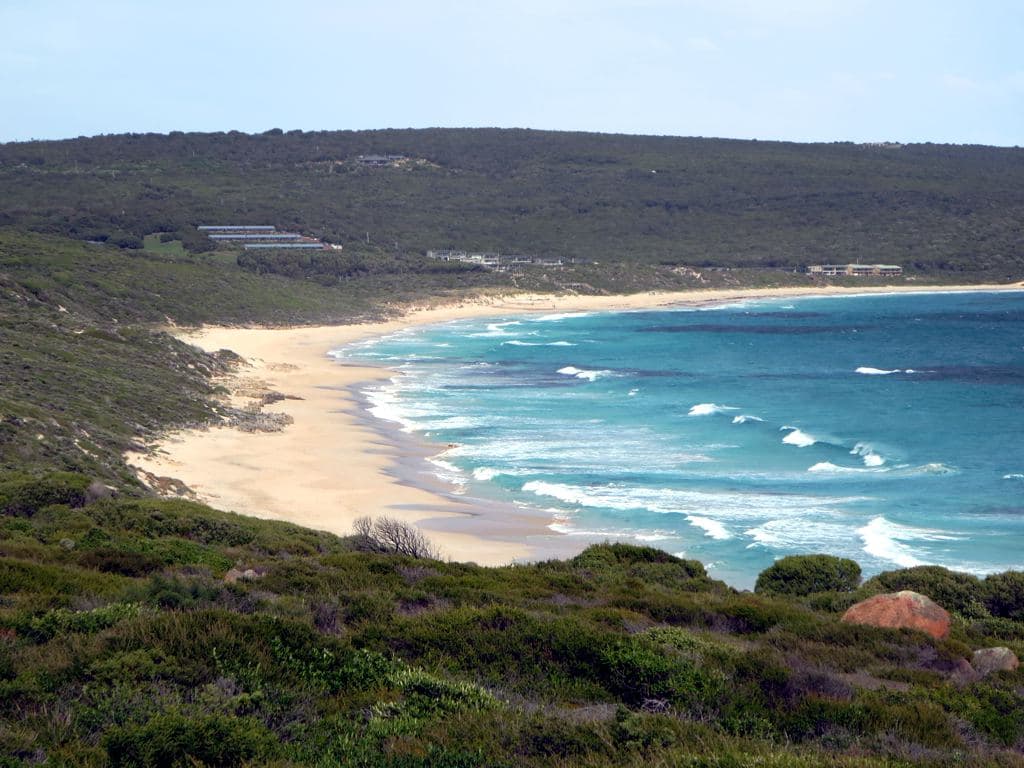
Photo: David Stanley, CC BY 2.0 · via Wikimedia Commons
The fudge is fine. Take the fudge. But take one of the other things too.
Plan your visit to Yallingup.
Directions & hours →