[Timber]
The Real Margaret River Souvenir: Beyond Fudge and Magnets
A piece of timber you sat with, chose, and watched being made will outlast every fridge magnet you've ever bought — and it will keep telling the story.
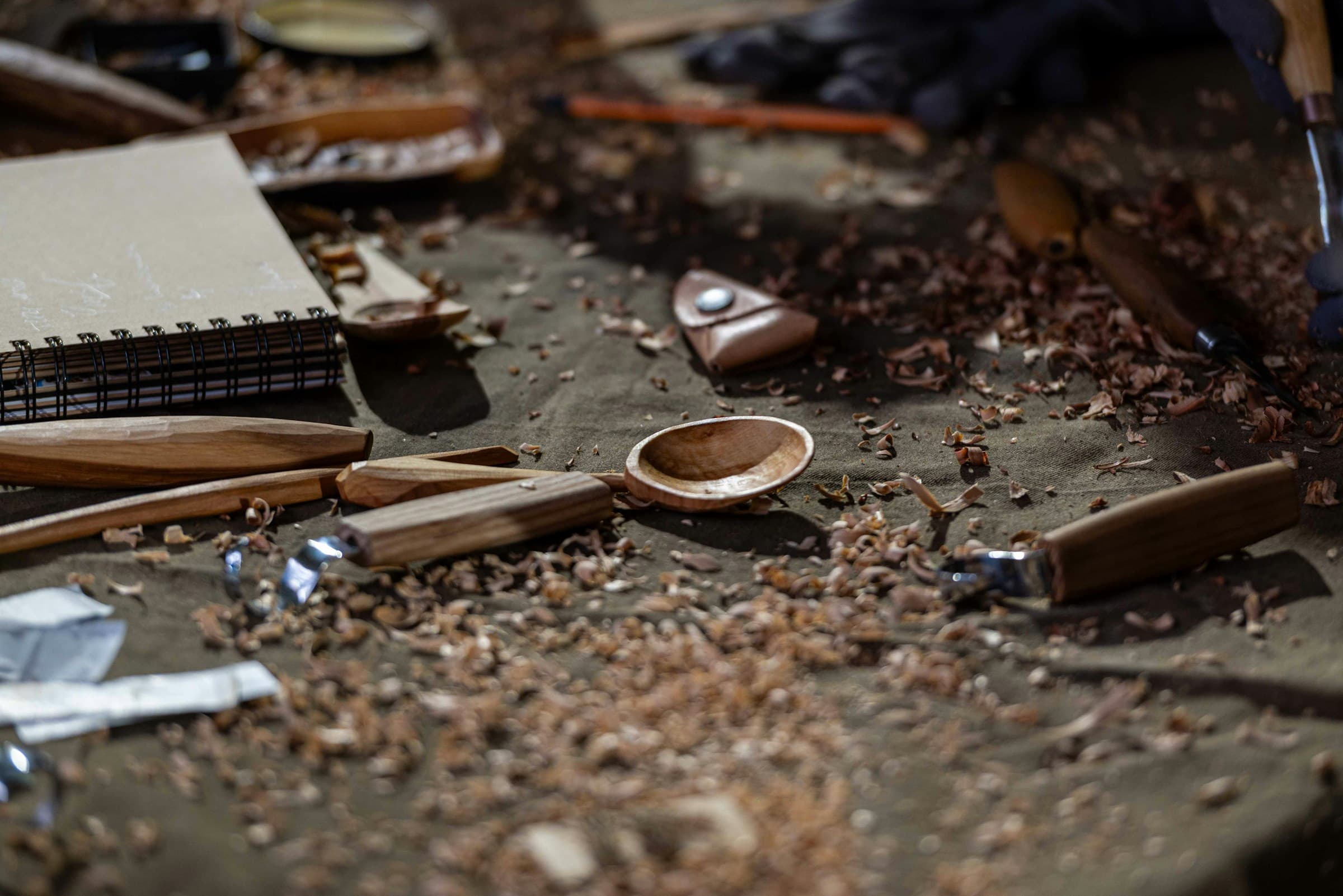
Most people who come down here leave with wine, chocolate, and a fridge magnet shaped like a kangaroo. There's nothing wrong with any of that. But after three or four days here, when the place has actually got under your skin, the wine will be gone by Christmas and the magnet will be in a drawer by next winter. The question I'd ask is whether you took anything home that holds the trip the way the trip felt.
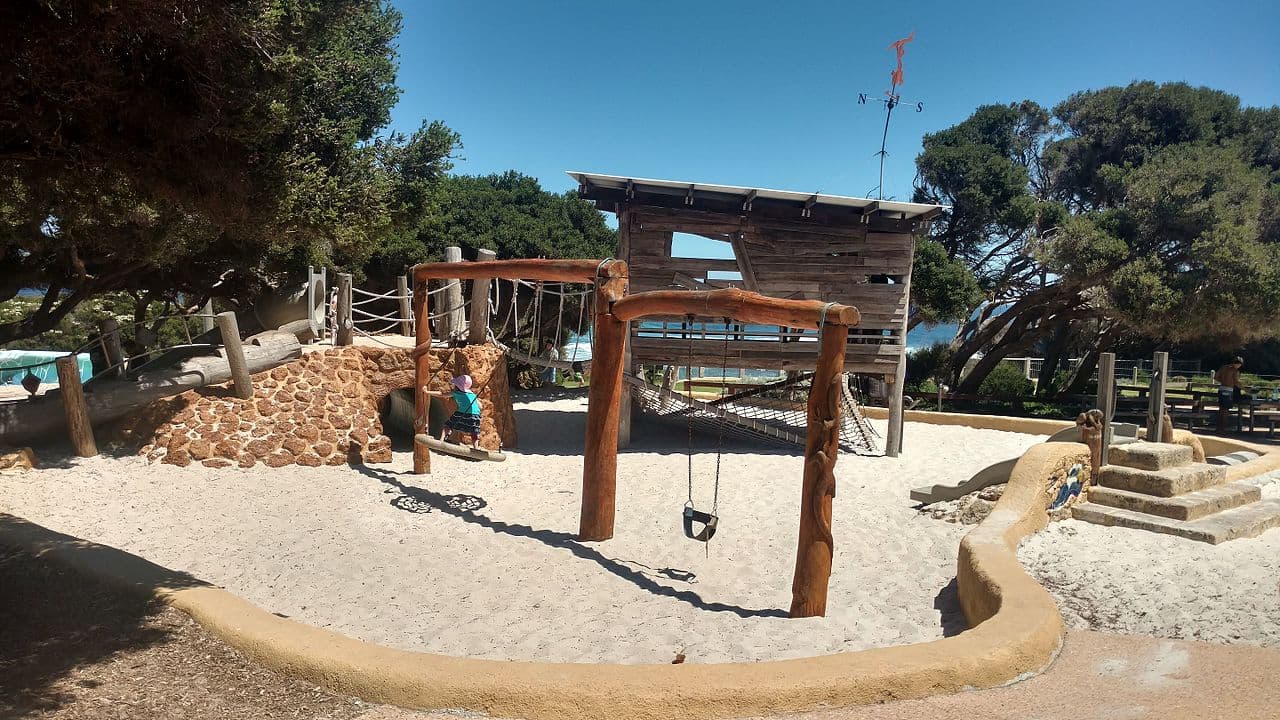
Photo: Lasthib, CC BY-SA 4.0 · via Wikimedia Commons
I'm not knocking the fudge. I'm just saying: after four decades on Blythe Rd watching visitors walk into our gallery on the way back to the airport, I've worked out which souvenirs actually survive the trip. It isn't the cheap ones.
What "souvenir" used to mean
The word is French. It means "to remember." A souvenir, properly understood, is a thing that does the remembering for you when you can't. It sits on a shelf or a table in a Melbourne or Singapore or London house and reminds you, every single day, that you spent a week in the southwest of Western Australia and something about it changed the way the light comes into your home.
That's not a magnet. That's a piece of something the place actually made.
The five categories of real Margaret River souvenir
Here's how I'd sort it, after watching people leave our gallery for years with things they go on to love for the rest of their life.
1. Wood
I'm biased. I make furniture. But honestly: a small piece of jarrah, marri, or tuart from a local maker is the only souvenir that gets better every year you own it. The grain darkens. The patina deepens. The thing you bought as a holiday object becomes a fixture in your house. A breadboard. A small bowl. A box for letters. A side table. Anything turned from a single piece of WA hardwood will outlive the trip by a factor of decades.
how to read jarrah, marri and tuart for what to look for in the timber itself.
2. Glass
Alan Fox blows glass less than half an hour from where I work. He's been in our gallery since 2009, when Pam and I opened it up to other makers. Hand-blown glass has the same property as good timber: it's an object made by one person, in one motion, that you cannot get anywhere else. A vase, a bowl, a paperweight. These travel surprisingly well when packed properly.
3. Painting and photography
The light down here is a thing. Painters and photographers spend their whole lives trying to catch it. Julia Carter and Elani paint it. Dylan Fox photographs it. A small framed work (even a print, properly produced) holds the colour of an actual afternoon in a way nothing else does. The wall in your hallway gets the southwest light it was missing.
4. Wine you'll actually open
Buying wine? Buy one or two good bottles, not a mixed case of everything. Pick a Vasse Felix Heytesbury, or a Cullen Diana Madeline, or a Moss Wood. Something you'll save for an anniversary. That bottle becomes part of a night two years from now, and the night becomes the souvenir. A case of mid-range chardonnay just becomes Tuesday.
5. The thing you'll cook with
Olive oil from a single grove. A jar of honey from a beekeeper at the farmers market. Macadamias from a Caves Road farm. The food souvenirs that survive are the ones you use one bottle at a time, slowly, over a year, not the ones that go in the cupboard.
A souvenir, properly understood, is a thing that does the remembering for you when you can't.
What to avoid (politely)
I won't name names. But there's a certain kind of "Made in the Margaret River Region" tea-towel that was very much made somewhere else, with a stencil added at the border. The test is simple: ask the person selling it who made it, and where, and when. No answer means you're buying a logo, not a craft.
The same applies to anything described as "handmade" without a hand in sight. The hand has a name. The name should be on the piece. Meeting the person is better still.
How our gallery fits in
Our gallery is at 2810 Caves Road, on the corner of Blythe Rd in Yallingup. I built it in 1988 — jarrah walls, southwest limestone — and Pam and I have been running it together since. Inside you'll find my work, Alan Fox's glass, Julia Carter's paintings, Dylan Fox's photography, Elani's work, and a small Italian range I distribute called Cattlean Italia. It is, deliberately, a one-stop for the five categories above — minus the wine and the honey, which we'll happily point you to. Most people come in for ten minutes and stay for an hour. Pam usually gets the whole story out of them.
Google Maps sometimes misdirects via Wildwood Rd — stay on Bussell Hwy, turn at the Carbunup store, then Blythe Rd.
What I tell people who can't decide
Down for a weekend and torn between a $40 wine, a $90 print, a $300 turned bowl, and a $4,000 dining table: buy the bowl. The bowl is the right answer.
The wine is gone in a meal. The print is a wall decision and walls take time. The dining table is a different conversation, one you'd have with me by email, slowly, over the months after you leave. The bowl is the souvenir. It's the right size, the right weight, the right price, and the right amount of thing to come home with after four days in the southwest. Fruit lives in it. Then mail. Then keys. Then fruit again. It outlasts you.
For a special trip (anniversary, big birthday, retirement, a thing being marked) it's worth a different scale of object. heirloom gifts for the big occasions covers that side.
The other thing visitors take home
The conversation. This is the part nobody warns you about. People come in to buy a small piece of marri and end up sitting with Pam for half an hour. She gets the whole story — where they're from, what the house looks like, what they've been doing all week. Then they walk out to the workshop window to watch me work, and ask what we'd do for dinner. Three weeks after they're home they're still telling someone else about it.
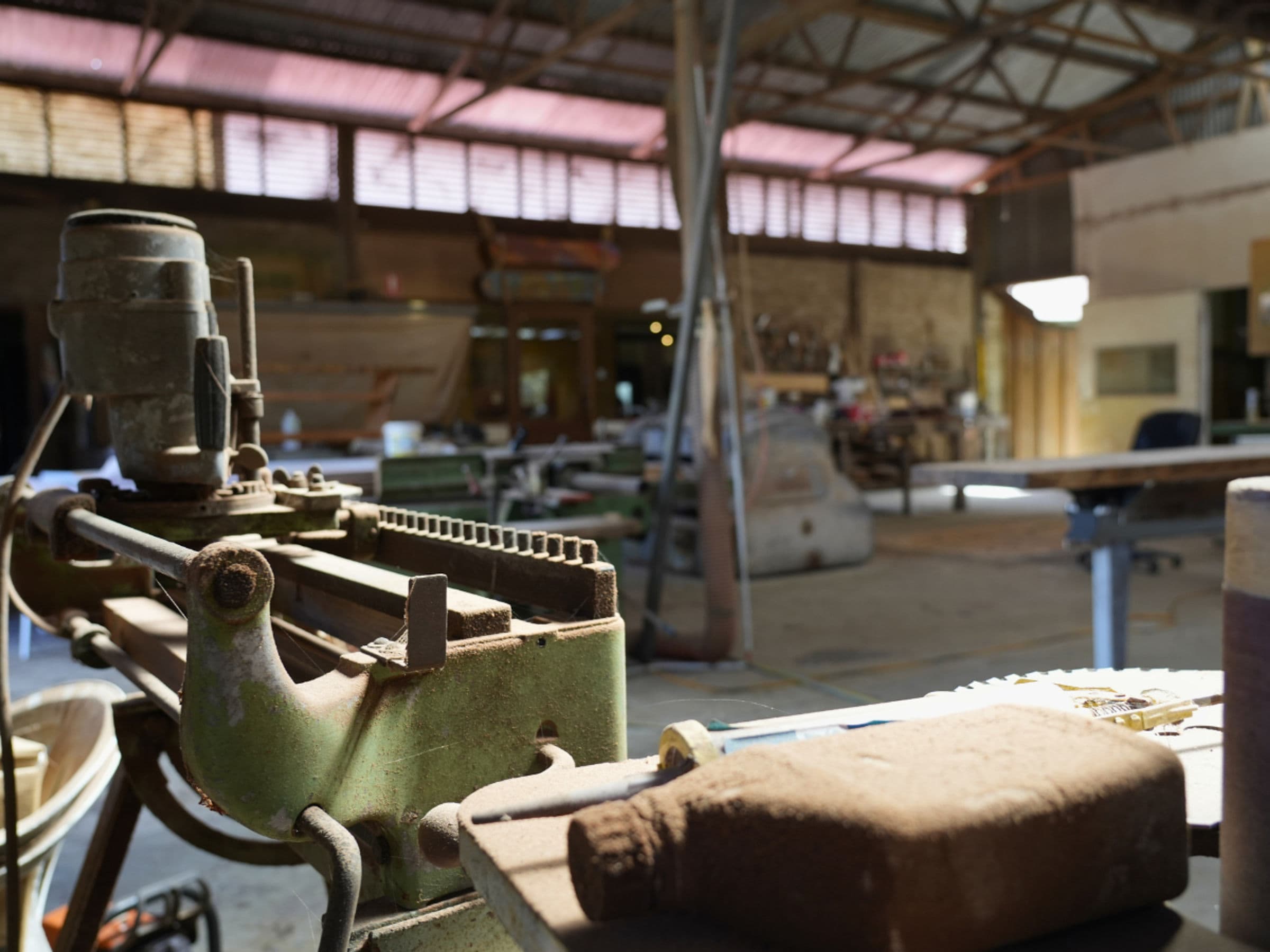
The gallery is a workshop with the doors open. The viewing area into the bench is the whole point. You don't just buy a piece. You watch the process the piece came from, and you take that home too.
A note on the gum leaf
Every piece of furniture I've finished since 1982 has an inlaid gum leaf on it somewhere: hand-carved, placed quietly. It's the easiest way to tell my work from a copy, and it's the small thing visitors find later, at home, after they've owned the piece for a week. It's the bit the trip put there.
meet the maker behind the bench for the longer version of why.
What to do next
With a day left, do this. Margaret River Region Open Studios runs every September: 150-odd artists, fifteen days, free entry. Here in that window, you can drive between studios and meet every maker we've talked about. Outside it, the gallery is open Tuesday to Saturday, 10 till 4.30. Either way, the souvenir worth taking is the one you watched being made.
The fudge is fine. But it's not the trip.
Plan your visit to Yallingup.
Directions & hours →