[Region]
Reading the Yallingup Surf Cam: A Local's Morning Habit
I check the surf cam before I check anything else in the morning. Have done for years. Here's what I'm looking at, and what it actually means.
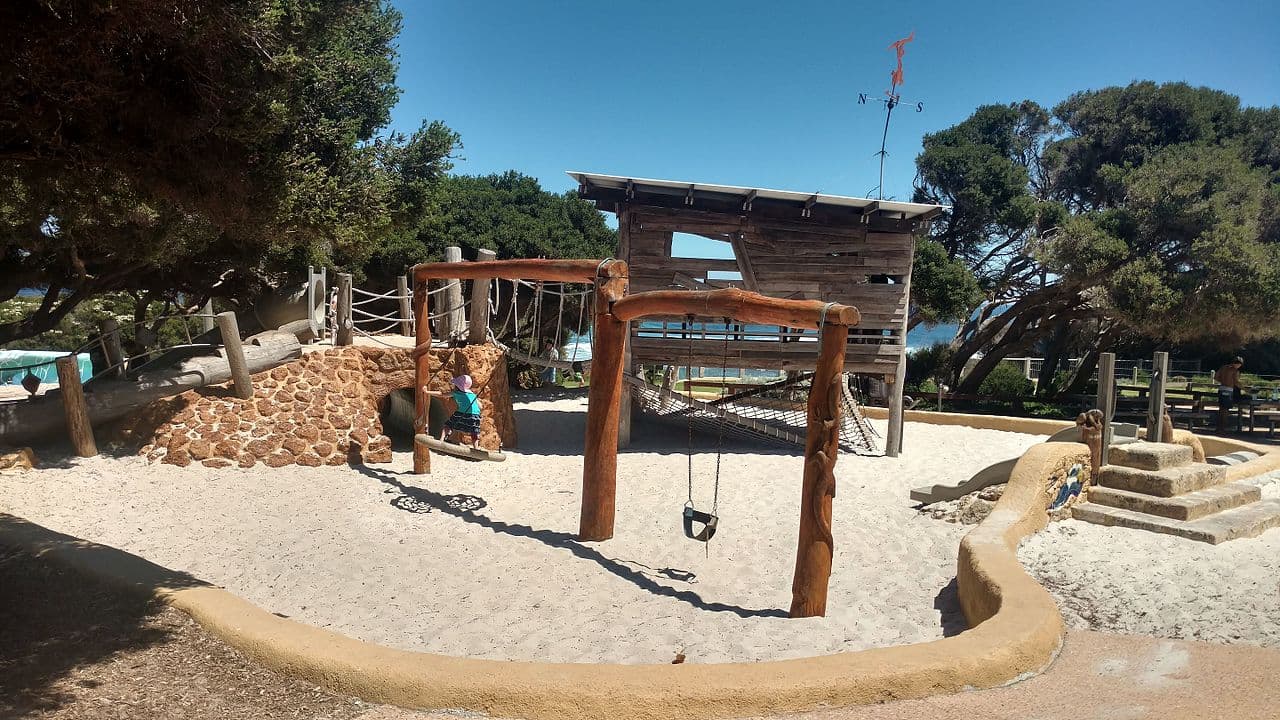
I check the surf cam before I check anything else in the morning. Coffee, surf cam, the rest of the day. Have done for years. The phone wakes up, the kettle goes on, the cam pulls up, and the day reorganises itself around what's showing.
This is a quick guide to what I'm looking at, and what it actually means for a visitor who's trying to work out whether to grab a board or grab the kids and head to the lagoon instead.
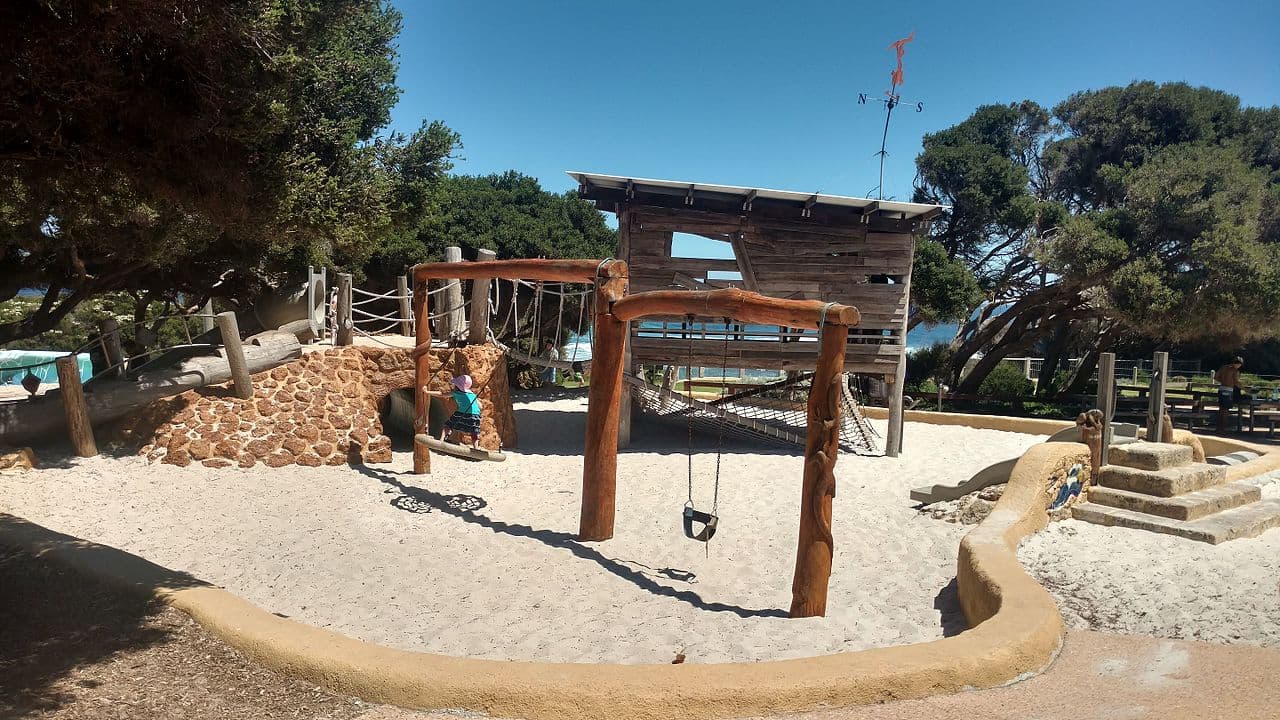
Photo: Lasthib, CC BY-SA 4.0 · via Wikimedia Commons
The cam itself
The main Yallingup surf cam is the Surfline / Surf-Forecast feed pointed at the main reef break in front of the carpark. There are a few others around. Smiths Beach has its own, and there's a Surfers Point cam at Margaret River main break further south. But the Yallingup main cam is the one I check first, because it's two minutes from the workshop and tells me whether I'm going for a paddle before the gallery opens.
What I'm looking at on the cam, in order, every morning:
- The size of the waves on the reef. Is there water moving, or is it flat?
- The direction the wind is blowing on the surface. Feathering of the wave tops tells you everything.
- The crowd. How many heads in the lineup at 6:45am tells you what the day will look like by 10.
- The colour of the water. Clean blue or stirred green tells you about the previous day's swell and how settled the ocean is.
Each of those means something different.
Wave size on the cam
This is the deceptive one. Cams flatten everything. A two-metre wave on the cam looks like a one-metre wave. Always assume what you're seeing is bigger than it looks.
A good rule for the Yallingup main reef:
- If you can see the wave actually breaking on the reef (not just rolling through), there's at least a metre of swell. That's a beginner-friendly day at the inside corner.
- If you can see whitewater pushing past the lagoon entrance, there's probably two metres on the reef, and the inside is messy and shifty.
- If you can't see the reef at all because of foam and sea spray, it's a big day. Three metres or more. Stay on the headland with a coffee and watch.
The cam is a starting point. What you actually want is the cam + the Bureau of Meteorology surf forecast and one of the apps that pulls swell-period and direction data. I use Willyweather and Magicseaweed. Both are free.
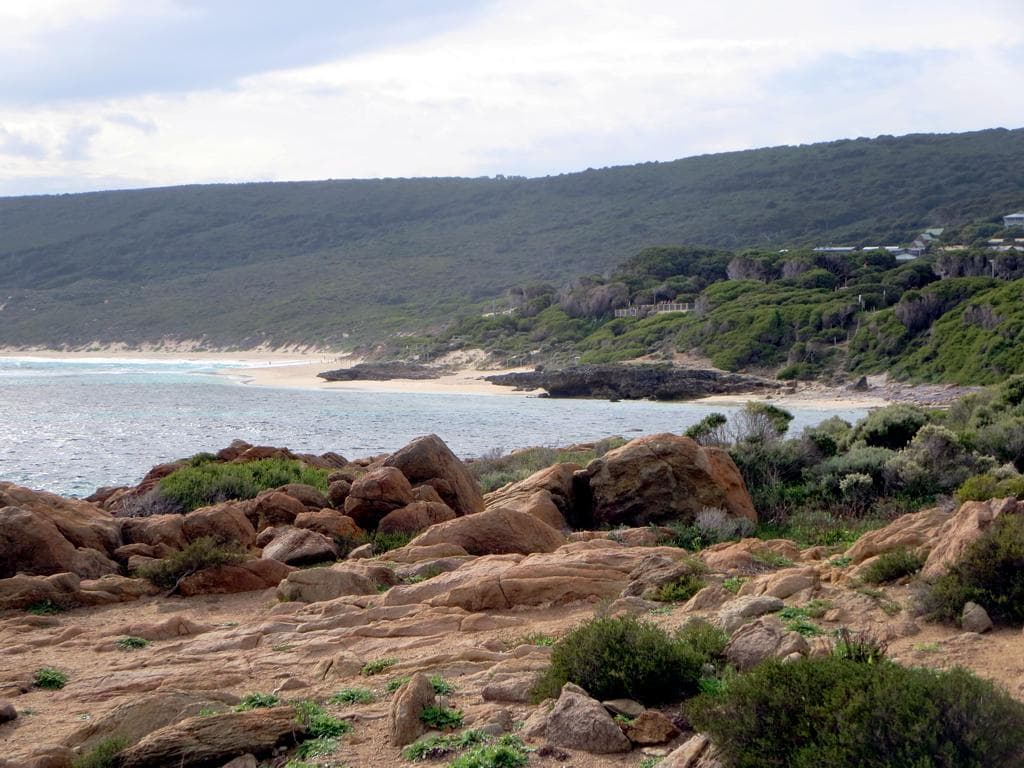
Photo: David Stanley, CC BY 2.0 · via Wikimedia Commons
Wind direction
This matters more than swell size, most of the time. A small clean day is a better surf than a big messy day, every single time.
For Yallingup main:
- Easterly wind (offshore): pristine. The wave faces are smooth, the waves stand up properly, the lineup is calm. Easterlies blow at dawn from late autumn through to early summer.
- South-westerly: blown-out. The wind chops the wave faces, the takeoff is wobbly, and the inside is full of foam. Common in summer afternoons.
- North-westerly: messy at Yallingup, sometimes clean at Smiths.
- Southerly: ok at Yallingup, often better at Smiths Beach because of the way the headland angles.
The general rule: dawn surfs in summer because the easterly drops at about 9am and the south-westerly kicks in. Winter, you get more all-day windows because the fronts blow through and then leave clean periods behind them.
The crowd
On a 6:45am cam in summer there will be twenty heads in the Yallingup lineup. By 8 there'll be forty. By 10 it's a long wait between waves. In winter the same break might have six surfers on a good day and nobody on a flat one.
If you're a beginner, the inside corner of Yallingup beach is where to go regardless of what the reef is doing. It's a separate wave, smaller and more forgiving, and the inside crowd is a different (gentler) crowd to the reef one.
If you're an intermediate, Smiths Beach is the more democratic option. Multiple peaks down a long stretch of sand. There's room for everyone, and the Yallingup Surf School often runs lessons there. You'll find space.
If you're advanced, you already know the spots. I won't tell you in print.
A small clean day is a better surf than a big messy day, every single time.
Other breaks near Yallingup
The cams to know:
- Smiths Beach. The family option. Beach break, multiple peaks, beginner to intermediate.
- Three Bears. North of Yallingup, four-wheel-drive access. Three separate breaks (Mamas, Papas, Babies) suiting different swell sizes. Heavier on a big day.
- Injidup Car Park. Twelve minutes south. Punchy reef wave, intermediate to advanced.
- Supertubes. The heavy one. Don't go unless you know what you're doing.
- Margaret River main break (Surfers Point). 32 minutes south, world tour venue, properly serious on a big day, very accessible from the carpark on a small one. The WSL events come through here every autumn.
For most visitors who want one surf in the week, Yallingup main on a small clean morning is the easiest experience. Smiths Beach on a moderate day is the second-easiest.
Swell forecasting, briefly
The Indian Ocean groundswells that reach Yallingup mostly come from the Roaring Forties, two to three thousand kilometres south. A storm down there generates swell that takes about three days to reach us. So the cam tells you what's happening now, but the forecast three days out tells you what's coming.
The numbers to watch on the forecast apps:
- Swell height: 1 to 2 metres is fun; 2 to 3 is serious; over 3 is for experienced locals only.
- Swell period: 10 to 14 seconds is good; under 8 is wind-swell (messy); over 16 is groundswell magic, the cleanest faces of the year.
- Swell direction: south-west is the main direction Yallingup likes. South-south-west is even better. West and north-west are smaller and less consistent.
If you see 1.5 metres, 14-second period, south-south-west swell, 5-knot easterly, that's the kind of morning I plan a workshop day around. Worth driving the coast for.
Winter vs summer
Summer is small, clean at dawn, blown out by 10. Winter is bigger, more consistent, and the windows of cleanness are longer because the wind patterns are less predictable. Water temperature differs by about 5 degrees. A 4/3 wetsuit in winter, a spring suit or trunks in summer, depending on tolerance.
The least-crowded month is June. The most crowded is January. The most consistent surf is April. The cleanest dawns are March and October.
the winter Yallingup take for what the place is actually like outside summer.
the full surf trip guide is the longer version if you're coming down for the surf specifically.
For non-surfers
If you're not a surfer but staying somewhere with a view of the cam, watching it is a perfectly good way to spend a morning. The reef is one of the best wave-watching spots in WA on a big day. The headland above the main beach is free, exposed enough to feel the spray on a clean swell, and you can stand there with a coffee and watch the surfers work the reef for an hour.
On a big winter morning that's better than most paid activities in the region. Just bring layers.
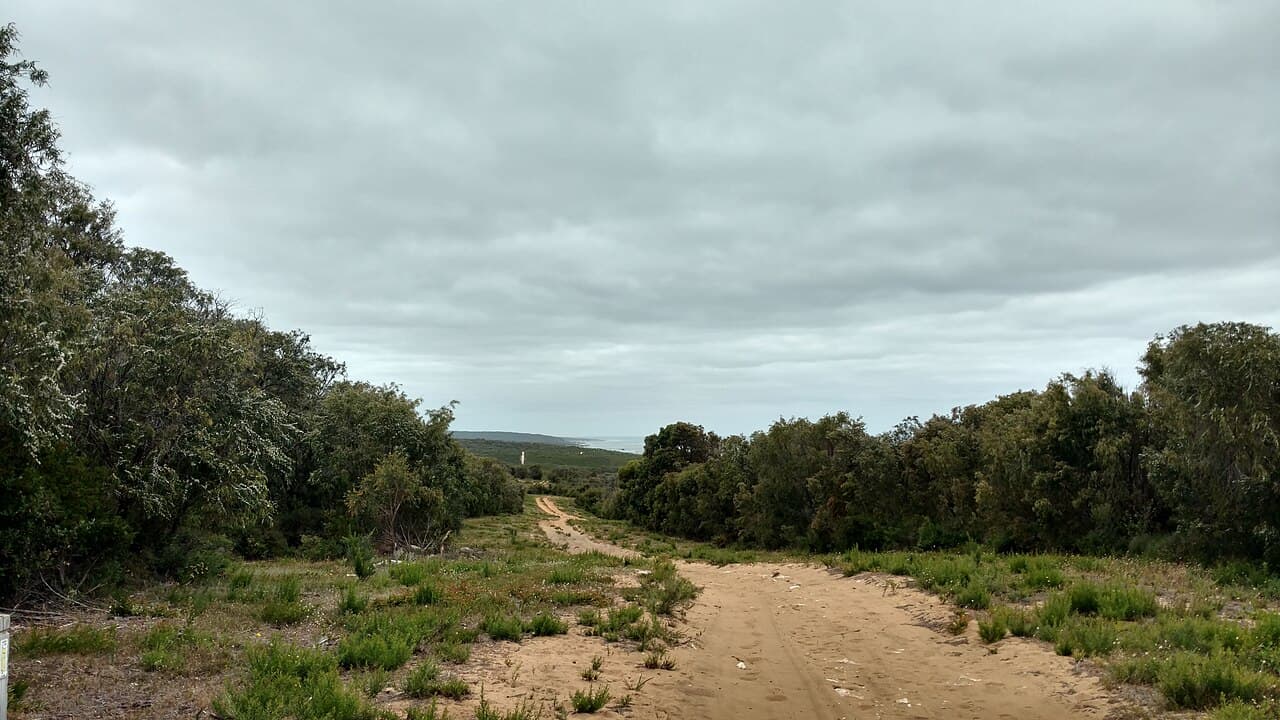
Photo: Lasthib, CC BY-SA 4.0 · via Wikimedia Commons
My morning, in summary
Coffee. Cam check. Forecast check. If conditions are right, paddle by 6:30. If they're not, workshop by 7. Either way, the gallery opens at 10 and I'm in there when it does.
That's the routine. The cam runs the whole day.
The gallery on Blythe Rd is two minutes from the Yallingup main carpark. Easy stop on the way home from a surf or a swell-watch session. Workshop viewing window, wood fire in winter, open seven days. Google Maps sometimes misdirects via Wildwood Rd — stay on Bussell Hwy, turn at the Carbunup store, then Blythe Rd.


Plan your visit to Yallingup.
Directions & hours →